
organoid
-
 From vampire legends to lab-grown tissue, the idea that young blood can reverse aging is no longer pure myth. A new study shows that proteins secreted by bone marrow cells, triggered by young blood, can rejuvenate aging skin in the lab.
 -
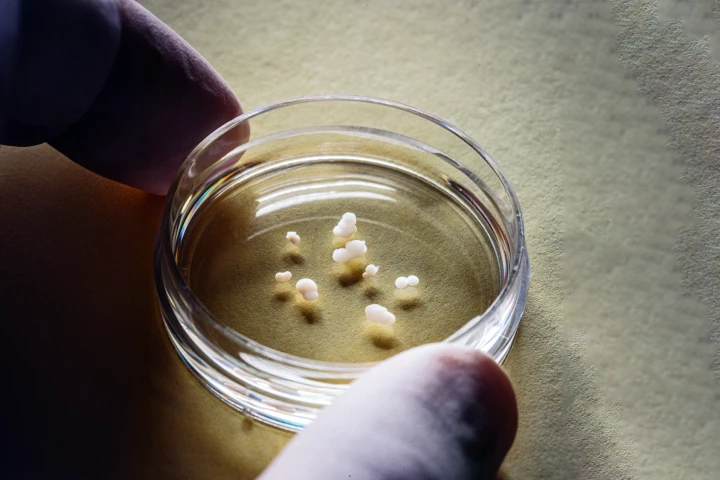 Tiny 3D organs connected themselves in a lab dish, forming a replica of the human pain pathway, in a new study. The discovery allows scientists to better understand chronic pain and offers an animal-free method of testing pain treatments.
 -
 In good news for future animation figureheads, there might be a new way to revive frozen brains without damaging them. Scientists in China have developed a new chemical concoction that lets brain tissue function again after being frozen.
 -
 Lab-grown testicle organoids that closely resemble the real thing provide a promising model for research that may help our understanding of testicular development and translate into therapeutic applications for male infertility.
 -
 Researchers have found that SARS-CoV-19 infection can cause ‘zombie’ cells to accumulate, contributing to the brain fog associated with long COVID, and have identified drugs that can reverse this virus-related premature aging.
 -
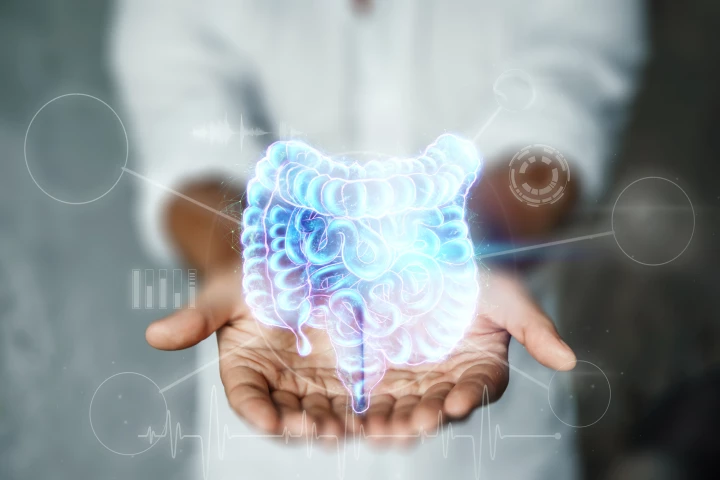 Researchers have improved upon existing organoids, creating a miniature 3D colon complete with immune cells that could lead to the development of personalized treatments for colon-related diseases such as inflammatory bowel disease and cancer.
 -
 We can’t regenerate damaged tooth enamel, but scientists have now grown mini teeth in the lab that secrete enamel-producing proteins. This could be the first step towards “living fillings” that patch up cavities, or even lab-grown replacement teeth.
 -
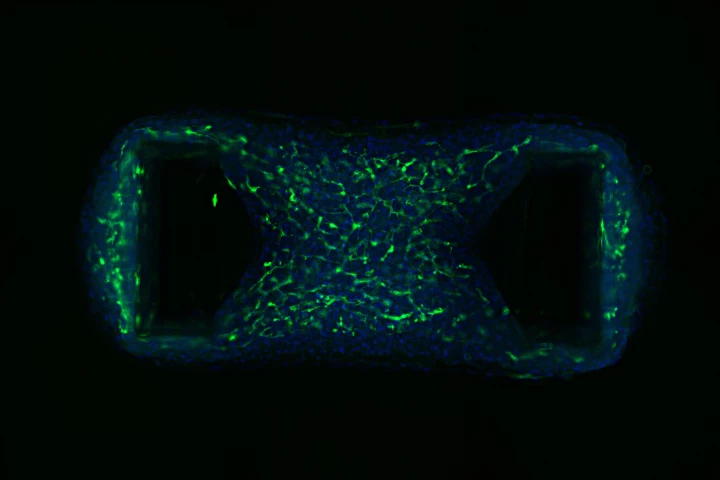 Australian researchers have achieved two firsts that will assist in the battle against heart disease: they created a tiny beating heart with its own vascular system and uncovered how the vascular system affects inflammation-driven heart damage.
 -
 Researchers have built a lung in a lab that more accurately emulates the human lung than traditional models, opening the door to the fast-tracking of the discovery and development of drugs and a reduction in our reliance on animals for testing.
 -
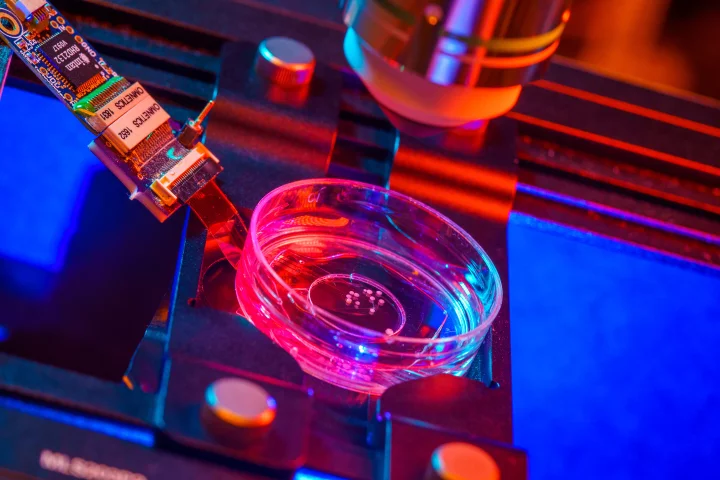 Mini human brains, grown from stem cells and implanted into living mice, have for the first time been shown to respond to things the mice were seeing. Scientists were able to watch the responses in real time thanks to specialized graphene electrodes.
 -
 Scientists have grown mini eyes from human cells in the lab. These eye organoids provide good models of the real thing to help scientists study diseases that cause blindness and potentially find treatments.
 -
 Scientists studying the way hair follicles take shape in the human body have found new success in the lab, demonstrating a way of growing fully matured forms of them in culture with hopes of pioneering advanced treatments for hair loss disorders.
Load More