
Optical
-
 A new experiment has demonstrated something that sounds physically impossible – light itself casting a shadow. If you manipulate a laser just right, then hit it side-on with another light source, it’s possible to create this bizarre optical effect.
 -
 It's ironic that in places where drinking water needs to be checked for microbes the most, labs that can perform the analysis are least likely to be present. A new "lensless" device could help, as it uses light to detect harmful microorganisms.
 -
 NASA’s Psyche spacecraft, farther away than the Sun, has sent data through a laser over a record-breaking distance, and done so even faster than expected. The breakthrough could help establish high-speed communications with human colonies on Mars.
 -
 The James Webb Space Telescope may have been touted a successor to Hubble, but the old-timer still has some life left in it. These two iconic instruments have now teamed up to take a deep-field image of the colorful “Christmas Tree galaxy cluster.”
 -
 Scientists have manipulated light as though it was being influenced by gravity. By carefully distorting a photonic crystal, the team was able to invoke “pseudogravity” to bend a beam of light, which could have useful applications in optics systems.
 -
 Guiding lasers where they need to go is a key part of optics systems, and now engineers at DESY have developed a way to bend laser beams without anything touching them. The light is deflected using an invisible grating made of air shaped by acoustics.
 -
 All I wanted to do was get rid of my glasses, but when my local laser eye surgery clinic recommended some odd-sounding advanced Presbyond treatment developed by Zeiss, I said sure, if that's what the cool kids are getting. Here's what's happened.
 -
 Scientists in South Korea have created what they call "the world’s smallest ball game," throwing individual atoms between two optical traps. The research could eventually make for more adaptable and dynamic quantum computers.
 -
 Researchers have developed a more precise design for "optical tweezers," using a metasurface lens studded with millions of tiny pillars which focus light to trap and manipulate individual atoms. It could pave the way for powerful quantum devices.
 -
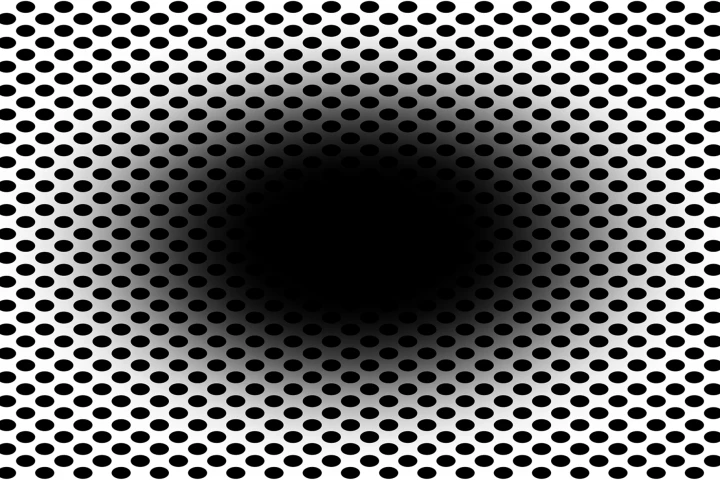 When you view the image above, does it look like black smear in the center is expanding? If it does, that means you're like most people – and your brain may even think that you're entering a tunnel, adjusting your eyes accordingly.
 -
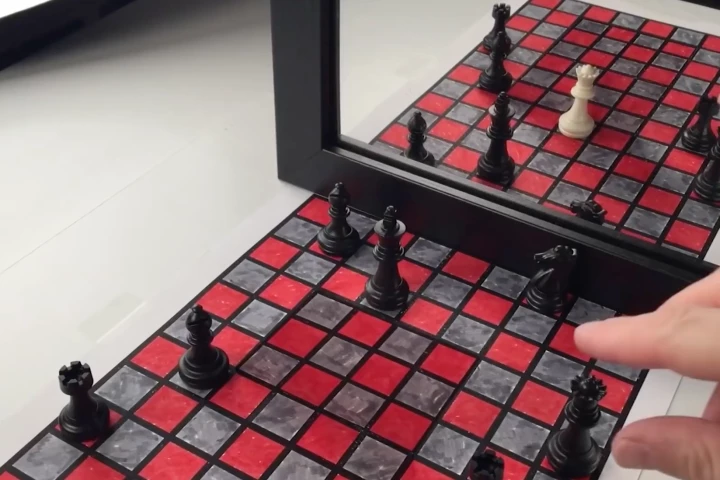 An innovative anamorphic illusion has taken the top prize in the annual Best Illusion of the Year contest. Twisting minds for 17 years the contest highlights the ways our brain can be tricked using simple perceptual illusions.
 -
 Japanese mathematician Kokichi Sugihara has won the annual Illusion of the Year Contest with a fascinating 3D model of a nearly 200-year old 2D illusion. The contest, run by the UK-based Neural Correlate Society has been bending brains for 16 years.
Load More