
Oil
-
 Oil spills in oceans can spell disaster for ecosystems, but options for mitigating them are limited and can come with their own environmental challenges. A new "fire tornado" from Texas A&M University might soon be able to come to the rescue.
 -
 Kale has long been crowned a “superfood,” praised for its rich antioxidant and nutrient content – but new research suggests many of those perks go untapped unless you pair the leaves with something to boost the body's ability to absorb the good stuff.
 -
 In a groundbreaking study, a healthy fatty acid in olive oil has been found to "supercharge" immune cells that fight cancer. Meanwhile, another kind of natural fat undermines the health of the same cells, killing them off and triggering inflammation.
 -
 Consuming too much of the dominant fatty acid in olive oil may drive the production of fat cells, creating conditions that could lead to storing more fat long-term. Until now, weight gain has been largely attributed to the calorie content of such fats.
 -
 When crude oil is processed, a lot of grungy byproducts are left over. A new study indicates that a couple of those substances can be used to make low-cost carbon fibers, which could in turn find use in less costly carbon fiber composites.
 -
 In a world of weird, this one ranks up there... A non-profit out of San Francisco, California, is cleaning up oil spills using the naturally adsorbent properties of human hair, woven into thick mats that soak up a gallon and a half at a time.
 -
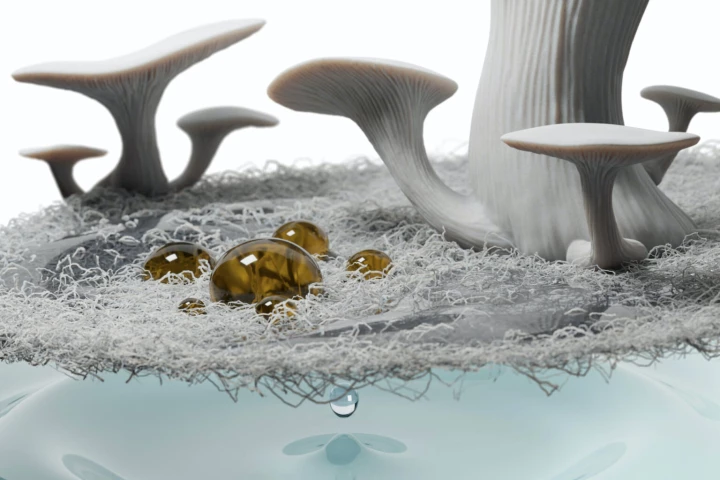 When it comes to cleaning up marine oil spills, it's best if you can use a material that separates the oil from the seawater. Scientists have created a new organic membrane which does exactly that, and it's derived from oyster mushrooms.
 -
 It's always upsetting to see images of seabirds covered in crude oil, as the result of an accidental spill. According to a new study, however, even tiny amounts of routinely released waterborne oil may seriously damage such birds' feathers.
 -
 It's possible that someday in the future, sunlight-powered robots may be able to swim across marine oil spills, soaking up the oil as they go. A tiny prototype has already been created, and it was inspired by both the steam engine and an insect.
 -
 A new study has found a key fatty acid found in palm oil can promote cancer metastasis in mice. The research, which does not claim dietary palm oil has cancer-causing properties in humans, could lead to new therapies that block cancer spread in the future.
 -
 Last year, we heard how scientists had created eco-friendly soft gel particles from hard grains of pollen. Now, they've used those particles to create sponges that could soak up oil spills, then biodegrade once used up.
 -
 Although we've seen many materials designed for removing oil spills from water, many of them are single-use, ultimately ending up in landfills. Now, however, scientists have created an oil-absorbing sponge that can be used over and over again.
Load More