
Night
-
 A study has determined which snoozing strategy - no naps, one long nap, or two shorter ones - is best for avoiding drowsiness and fatigue when staying up all night. The results may be as helpful to shift workers as they are to new parents.
 -
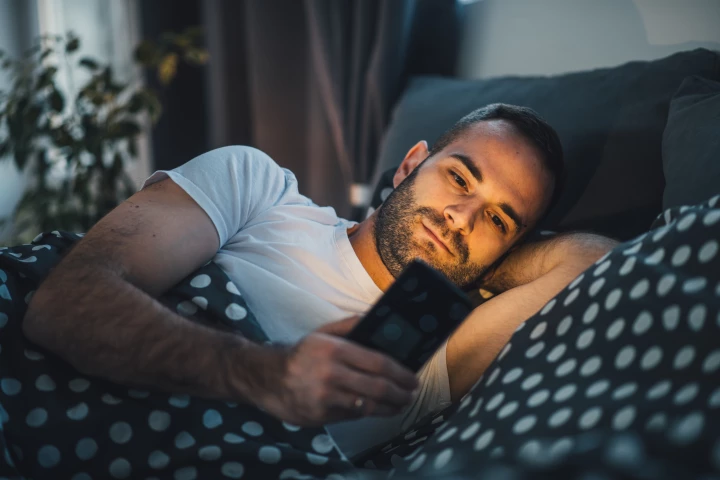 A new study testing smartphone night modes that eliminate blue light wavelengths is suggesting they make no difference to overall sleep outcomes and the only way to improve sleep at all is to completely abstain from screen use before going to bed.
 -
 Research has found night shift work can alter the expression of tumor-related genes making one more vulnerable to the DNA damage the leads to cancer, building on a growing understanding of the role circadian rhythms play in our DNA repair processes.
 -
 A detailed study has offered new insight into how disrupting circadian rhythms can promote tumor growth. The research also suggests that the efficacy of cancer therapies can be improved by more specifically timing the administration of certain drugs to a patient’s particular circadian rhythm.
 -
 New research has studied how protein levels in human blood can vary over a 24-hour period depending on when a person is sleeping and eating. The striking results found that when a person stays up all night, the patterns of over 100 different proteins in the blood are disrupted.
 -
 If you're thinking that it seems a little less dark at night … well, you might not be imagining things. According to a new study led by Dr. Christopher Kyba of the German Research Center for Geoscience, Earth's artificially lit outdoor areas grew by 2.2 percent per year from 2012 to 2016.
 -
 A new crowdsourcing initiative is calling upon the public to help catalog the ever increasing library of stunning images snapped of our planet, and more importantly its cities, at night from the International Space Station (ISS).