
NASA
-
 Russia has suffered a major setback after the launch of its Soyuz MS-28 mission ferrying astronauts to the International Space Station (ISS) caused severe damage to the country's only pad capable of handling crewed boosters.
 -
 Boeing has suffered another setback after NASA renegotiated its agreement with the company. Under the new contract, on its next flight o the International Space Station (ISS), Boeing's Starliner capsule will carry only cargo and no crew.
 -
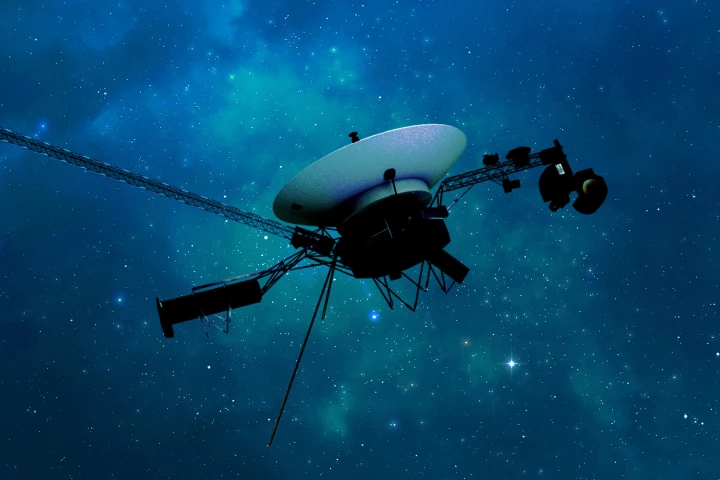 As it heads out of the solar system never to return, the deep space probe Voyager 1 is headed for yet another cosmic milestone. In late 2026, it will become the first spacecraft to travel so far that a radio signal from Earth takes 24 hours, or one light day, to reach it.
 -
 Sierra Space and NASA have renegotiated their contract for the Dream Chaser spaceplane that will allow the spacecraft to make its first orbital flight next year as a free flier instead of visiting the International Space Station (ISS).
 -
 It’s hard to think of a more challenging environment for an automotive battery than the Moon, and preparations for NASA’s Artemis program give us a chance to contrast the pioneering technology of the 1970s with where we are 50 years later.
 -
 NASA's Perseverance Rover might have made serious headway in its mission to find signs of ancient life on the planet. It's stumbled upon a rock with colorful spots on it, which may have been left behind by microbial life billions of years ago.
 -
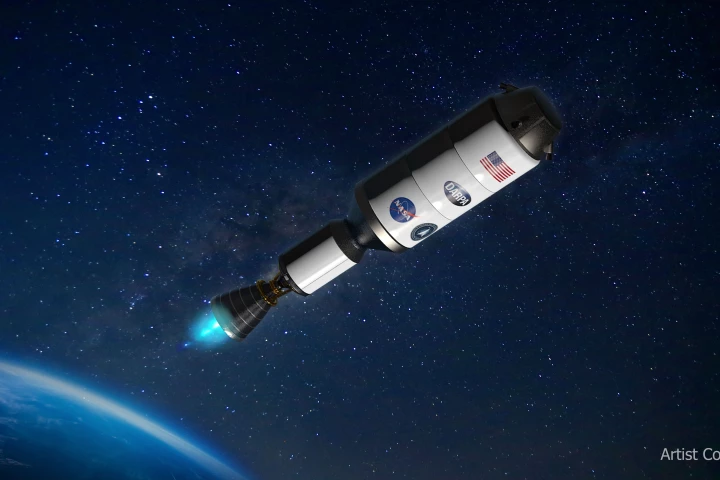 How do you control a nuclear space propulsion system? Very carefully. To help with this, the Oak Ridge National Laboratory (ORNL) has built a simulated nuclear reactor test bed to develop the engines that could send astronauts to Mars and beyond.
 -
 If Earth needs to borrow a cup of sugar, it's comforting to know that there may be a convenient, possibly habitable, world orbiting Alpha Centauri only 4.34 light years away – at least, if the findings from the James Webb Space Telescope pan out.
 -
 Hoping to push Mars exploration into top gear and do recon for a future crewed landing, AeroVironment has released its concept for a mission consisting of half a dozen autonomous helicopters that would land on the Red Planet under their own power.
 -
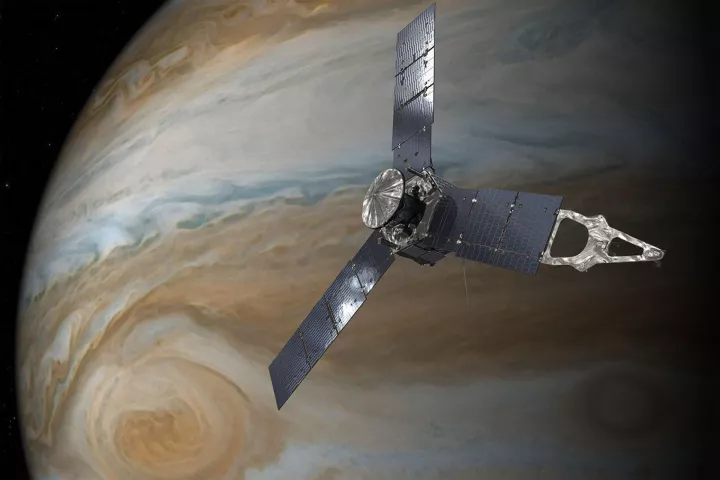 Using the thermal equivalent of giving it a sharp whack, NASA repaired the camera of its Jupiter-orbiting Juno probe from 370 million miles (590 million km) away after the instrument was put out of commission by the gas giant's radiation belts.
 -
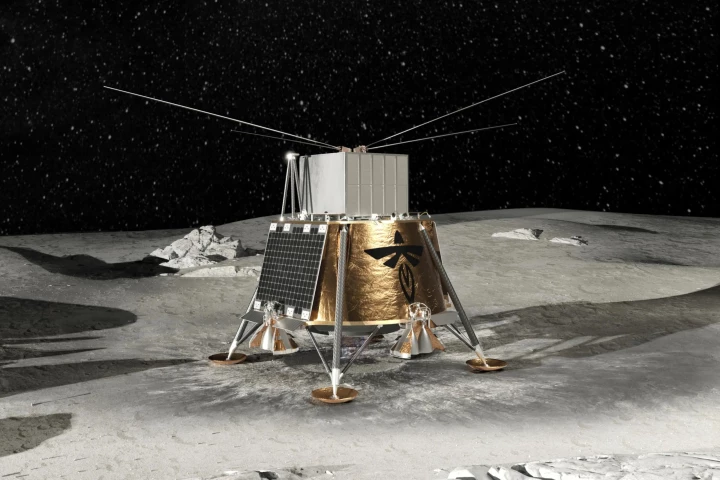 Radio astronomers like a bit of peace and quiet, so they're sending an historic first radio telescope to the Moon. To block out Earthside radio signals, the Lunar Surface Electromagnetics Experiment (LuSEE-Night) will set up shop on the far side of the Moon.
 -
 Showing that you shouldn't draw conclusions based on too few facts, new NASA research suggests that a decades-old view of Uranus as an unusually cold planet isn't true, but that it does actually generate its own heat as other worlds do.
Load More