
Nanyang Technological University
-
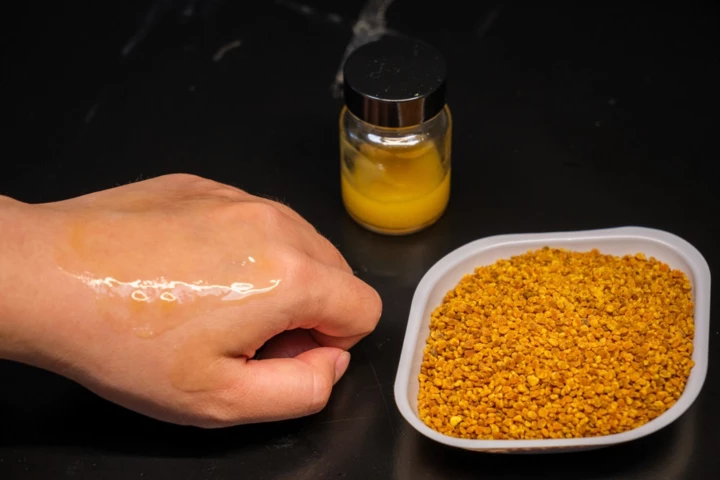 Minerals like titanium dioxide are effective sunscreen ingredients, but they can harm coral reefs if used in their non-nanoparticle form. An experimental new sunscreen forgoes the minerals altogether, replacing them with "just-as-effective" pollen.
 -
 It's never a good thing, when a bacterial biofilm forms on the surface of a medical implant. There could soon be a new way of eradicating such films, however, using tiny remote-control liquid-bodied robots.
 -
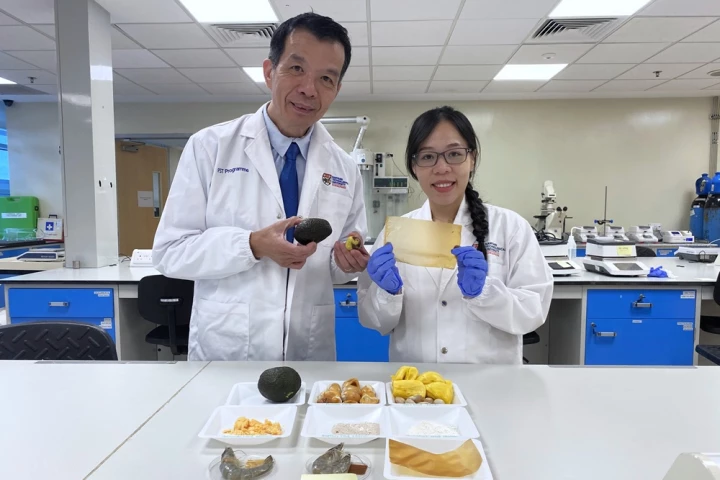 Most food-wrap films just act as a barrier to bacteria, but don't actually kill the microbes. An experimental new film does exactly that, plus it changes color to show when food is spoiled. And what's more, it's made from avocado seeds.
 -
 Using very low-dose X-rays to activate compounds that light up and generate cancer-killing free radicals stalled brain tumor growth and doubled survival time, according to a new study. Importantly, healthy cells were left unaffected.
 -
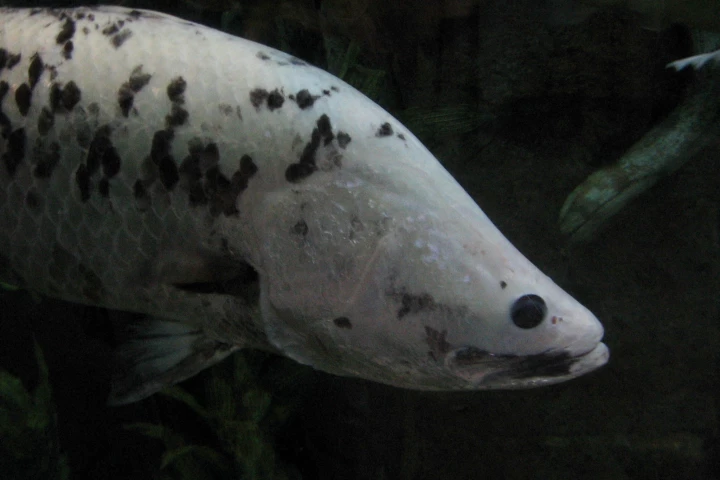 Fish farming may be getting much more eco-friendly, courtesy of soybean processing wastewater. Microbes in the liquid have been used to produce proteins that could replace the fishmeal which is currently fed to farmed fish.
 -
 A common, usually harmless bacteria has been found to have a significant role in causing stomach cancer. Researchers identified the bacteria’s mechanism of action, opening the door to developing therapeutics that prevent it triggering cancer growth.
 -
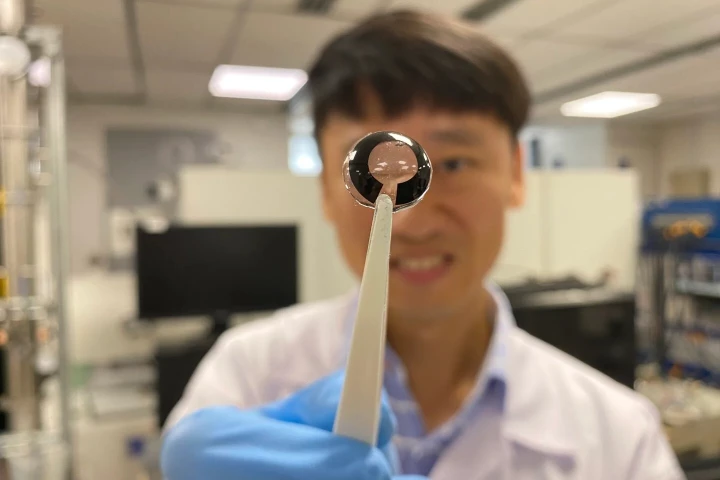 Although great strides are being made in the field of "smart" contact lenses, one challenge remains – how do you safely and discreetly power the things? Singaporean scientists may have the answer, in the form of a tear-fluid-charged ultra-thin battery.
 -
 For some time now, it has been known that wounds with a zig-zag pattern heal faster than those which form a straight line. Scientists have now determined why this is so, and their findings could change the ways in which surgical incisions are made.
 -
 With demand for vegetable oil only expected to increase, a team of scientists in Singapore has demonstrated a way of increasing the yield of oil from plants through genetic engineering, which could increase the output by as much as 18%.
 -
 New research on aging in roundworms has thrown up some intriguing results, with scientists at Nanyang Technological University (NTU), Singapore finding they could increase the animals lifespan by feeding them a high-sugar diet.
 -
 As compared to traditional agriculture, hydroponic farming uses less space and less water, plus it requires no soil. It still does require a growth medium, though – and scientists have recently created a better such medium, derived from human hair.
 -
 As their sense of balance deteriorates, seniors are at an increased risk of potentially debilitating falls. A new wearable assistive robot could help, by detecting and preventing such falls before they actually occur.
Load More