
Nanotubes
-
 Researchers have developed a new, lightweight foam made from carbon nanotubes that, when used as a helmet liner, absorbed the kinetic energy caused by an impact almost 30 times better than liners currently used in US military helmets.
 -
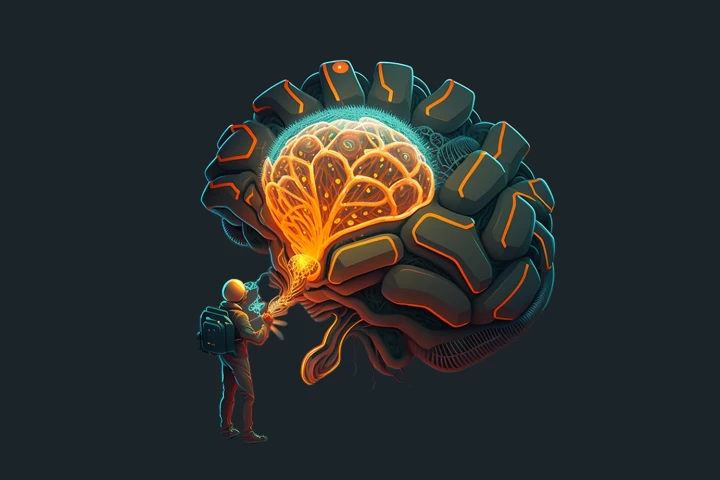 Researchers tricked glioblastoma cancer cells in mice into taking up iron-filled carbon nanotubes. They then shredded those cells by spinning the tubes using magnetic force. The technique has the researchers hopeful for a similar result in humans.
 -
 The REM stage of sleep plays an important role in learning, memory and brain development. Currently, lab-based tests are required to gauge how much REM sleep a person is getting. The SomaSleep mask, however, is claimed to let users do so at home.
 -
 Engineers in the US and Mexico have developed a way to use soot from emissions to improve solar thermal devices. The coatings are not only cheaper to produce but more efficient than using materials like graphene, while reducing pollution.
 -
 While it's important to check wounds for infections, removing the dressing in order to do so can be disruptive to the healing process. A new smart bandage could help, by "glowing" in a certain way if an infection is beginning.
 -
 Atherosclerotic plaque-deposits on the inner walls of arteries are a frequent cause of heart attacks and strokes. A newly-developed nanoparticle could help minimize those deposits, as it prompts the body's own cells to "eat" them.
 -
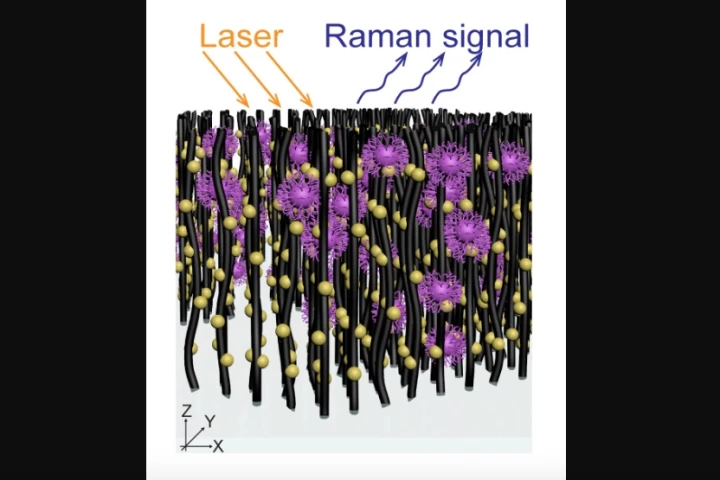 Ordinarily, when biological samples are being tested to see which (if any) viruses are present, it can take up to several days to get results. An inexpensive new tool, however, is claimed to capture and identify viruses within minutes.
 -
 Imagine if there were comfortable and inexpensive wearable fabrics that were capable of detecting a wide range of pressure and motion. Well, scientists at the University of Delaware have created just such a technology, and it could have some interesting applications.
 -
 While there are already portable keyboards that can be rolled up, we know how it is … sometimes you just want to crumple the thing up and jam it in your pocket. Well, new technology developed by South Korean scientists will allow you to do just that – plus the keyboards should be cheap, too.
 -
 Water normally freezes at 0° C (32° F) and boils at 100° C (212° F) at sea level. But MIT researchers have found that when contained inside carbon nanotubes, water can freeze solid at temperatures well above its usual boiling point, which could allow the creation of proton-conducting “ice wires”.
 -
 The strength of spinach isn't only in its nutrients, but also in its ability to be hacked to function as a sensor able to detect things like explosives, according to researchers at the Massachusetts Institute of Technology.
 -
 Researchers at MIT have developed a new method for detecting elusive molecules, using an array or “forest” of carbon nanotubes. The technique can be finely tuned, allowing it to be used for the capture of very small particles, including those of certain viruses.
Load More