
Nanotechnology
-
 Researchers at MIT have created a revolutionary platform to treat a vast array of neurological diseases and mental illnesses. It could not only prove more effective than traditional methods, but also negate the need for invasive brain surgery.
 -
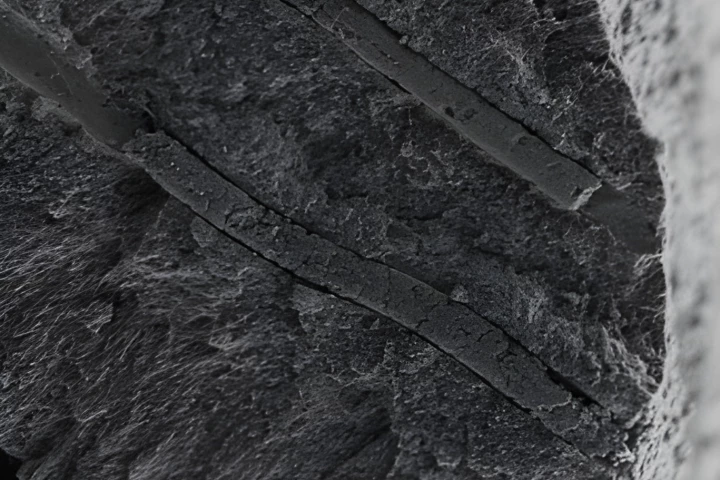 Having hypersensitive teeth can be quite the hassle, making it painful to consume hot, cold, sweet and/or acidic foods and beverages. Tiny new "robots" are here to help, by permanently plugging tunnels in the teeth for less discomfort.
 -
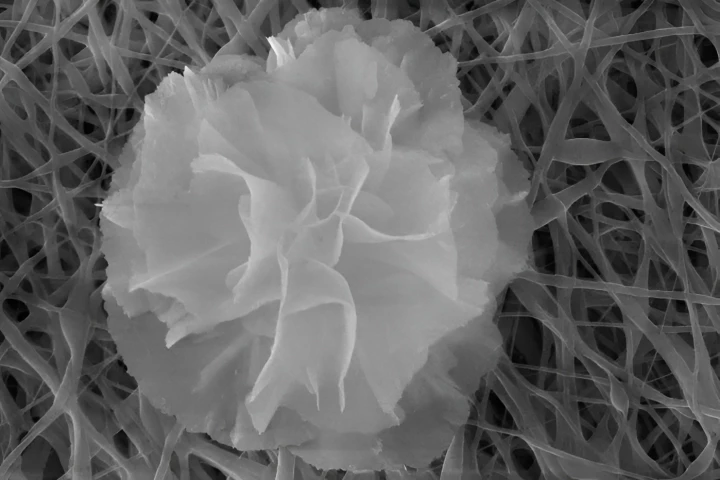 While we've seen antibacterial wound dressings before, Italian scientists have taken the idea to new extremes. They've created a material that kills multiple types of harmful bacteria, and it does so using tiny flowers.
 -
 While topically-applied medications do help alleviate various skin conditions, they'd be even more effective if they could better penetrate the skin's surface. Newly developed nanoceramic "stars" may one day help, by poking tiny holes in the skin.
 -
 In a move akin to puncturing an egg yolk without breaking the shell or egg white, researchers have figured out how to pierce the nucleus of a cell without hurting the rest of the structure. The breakthrough could be big news for medical treatments.
 -
 The four spikes on a new nanocrystal developed in Spain spin up under light and move through liquid, blasting any bacteria unfortunate to be in their path. The development could spell trouble for bacteria that resists traditional drug treatments.
 -
 Researchers have found that using nanoflakes of black phosphorus on wounds infected with drug-resistant superbugs not only kills the bugs, but accelerates wound healing. They say the innovative antimicrobial can be incorporated into common materials.
 -
 Researchers have created a nanoscale electronic ‘tattoo’ that attaches to an individual cell without damaging it. The breakthrough development could be used to monitor cell health and puts us one step closer to getting the jump on disease diagnosis.
 -
 Researchers have used 3D nanotechnology to successfully grow human retinal cells, opening the door to a new way of treating age-related macular degeneration, a leading cause of blindness in the developed world.
 -
 Inspired by the wings of dragonflies and cicadas, researchers have developed a new coating for orthopedic implants. It not only shreds harmful bacteria, but also monitors stress on the system, meaning it could warn of impending implant failure.
 -
 Researchers tricked glioblastoma cancer cells in mice into taking up iron-filled carbon nanotubes. They then shredded those cells by spinning the tubes using magnetic force. The technique has the researchers hopeful for a similar result in humans.
 -
 The amount of single-use plastics the world disposed of during the pandemic continues to be a huge environmental headache. A clever new upcycling method, though, takes the trash and turns it into one increasingly lucrative piece of tech, carbon dots.
Load More