
Mouse
-
 Heart attacks are dangerous not just because of the initial event, but the long-term damage afterwards. Now scientists have discovered a dormant gene that could be reactivated to regenerate heart tissue, preventing the progression to heart failure.
 -
 While it might sound like a cute gift to buy for your pet mouse, a new set of virtual reality goggles have a much more serious purpose. The inventors say they should help advance research into Alzheimer's disease and other brain conditions.
 -
 Scientists have engineered a hybrid mouse with a gene that predates all animal life. The team replaced a single gene in the mouse stem cells with a version from an ancient, single-celled ancestor, and successfully grew healthy live mice from it.
 -
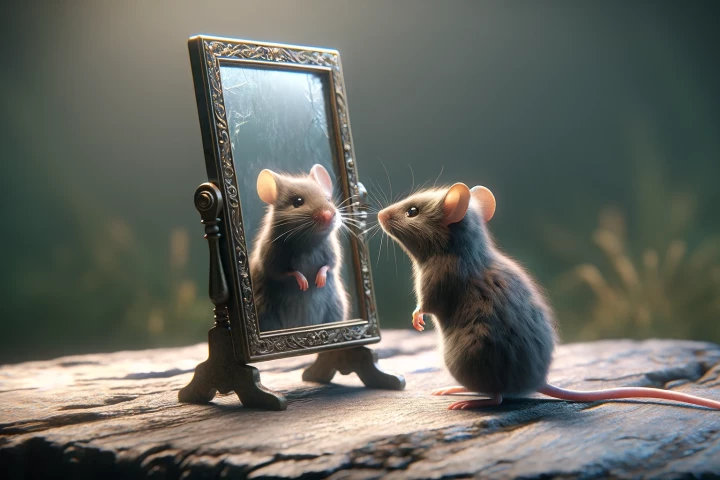 In a feat only a few non-human animals have accomplished so far, a common dark-furred mouse has passed what’s known as the mirror self-recognition test. Backed by supporting genetic cues, this suggests mice can actually recognize themselves.
 -
 One of the problems with stress is the fact that it can sneak up on you, so by the time you realize you're stressed, you're overdue for a break. Soon, however, it may be possible to warn of problematic stress by analyzing workers' typing and mousing.
 -
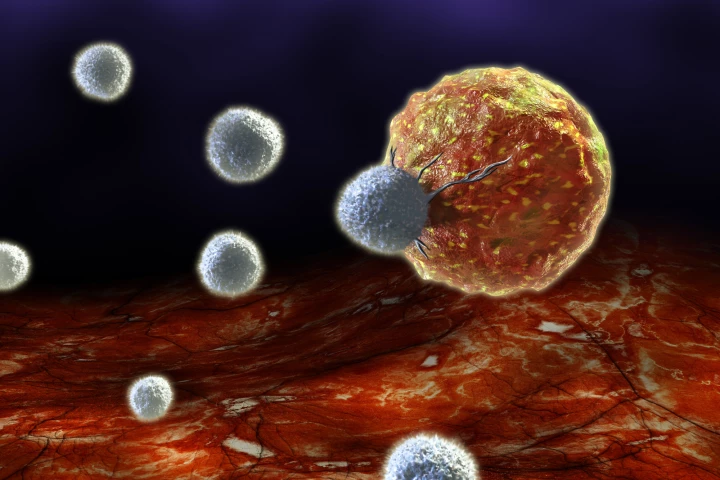 Researchers at UCLA have developed a small sponge that can be implanted next to a tumor to help the body fight it. In tests in mice, the devices induced remission, prevented growth and spread of cancers, and increased survival times.
 -
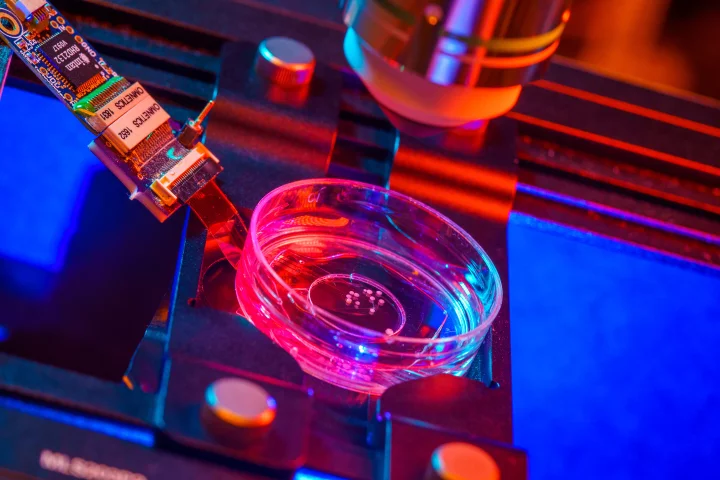 Mini human brains, grown from stem cells and implanted into living mice, have for the first time been shown to respond to things the mice were seeing. Scientists were able to watch the responses in real time thanks to specialized graphene electrodes.
 -
 Researchers have created some of the most advanced synthetic mouse embryos out of stem cells, removing the need for sperm, eggs and even a womb. The technology could help us understand development and eventually be used to grow organs for transplant.
 -
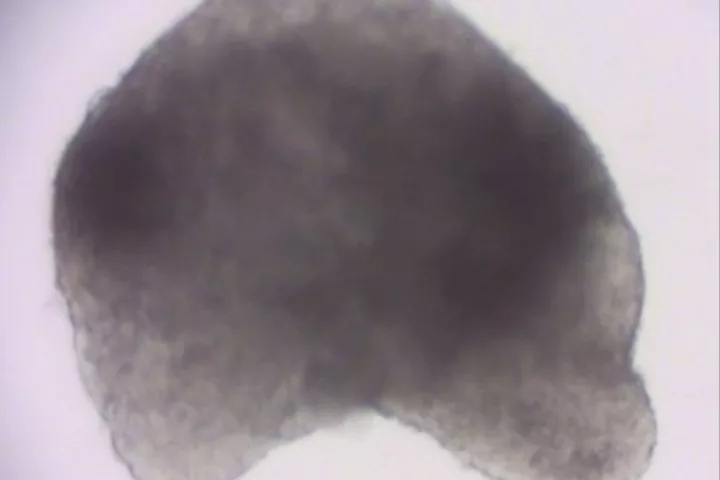 An extraordinary new study has detailed the development of a nearly complete mouse embryo – with muscles, blood vessels and a tiny beating heart – grown in a lab dish out of stem cells, presenting the most sophisticated “embryo in a dish” created to date.
 -
 Scientists continue to search for increasingly powerful drugs to take on cancer cells and inhibit tumor growth, and nature continues to provide them with rich source of inspiration, with the latest example coming from white button mushrooms.
 -
 Humans have been tinkering with evolution for millennia, but new research might make the process a bit more direct. Biologists at the University of California San Diego have successfully used the CRISPR gene-editing tool to control genetic inheritance in mice for the first time.
 -
 It may seem like a Pinky and the Brain origin story, but mouse embryos injected with the human version of a particular DNA "enhancer" developed giant brains in which the extra volume was concentrated around the neocortex. Those given the chimp version did not.
Load More