
Microbots
-
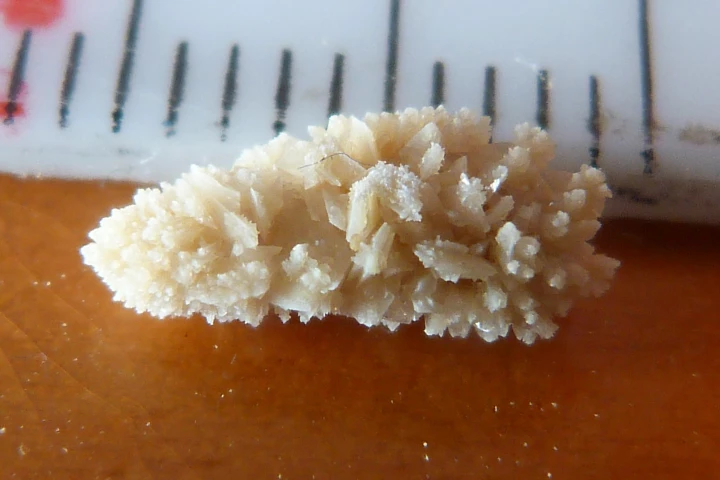 Recurring kidney stones can be an agonizing, debilitating problem, particularly if they can't be treated by orally-administered medication. There may be new hope on the horizon, in the form of a tiny magnetically-steerable stone-dissolving "robot."
 -
 Many persistent sinus infections involve biofilms – colonies of bacteria that group together to resist efforts to kill them. Now, researchers have developed biofilm-blasting bots that could handily deal with these, and other, bacterial infections.
 -
 Researchers have developed a bubble microrobot capable of being guided around the tiny complex blood vessels of the brain using ultrasound. The ‘microvehicle’ holds potential as a means of delivering drugs to treat brain cancer and stroke.
 -
 Implants and tiny machines could eventually help treat disease or monitor activity, but communication is tricky. Now scientists at EPFL have developed a system whereby devices can communicate by releasing molecules into a patient’s bloodstream.
 -
 Scientists have recently had success in curing mice of a serious type of pneumonia, using what are described as "microrobots." The bots were actually live algae cells, which carried life-saving medication throughout the rodents' lungs.
 -
 Like many menial tasks, there may soon be a way to outsource brushing your teeth to robots. A new system of microrobots can change shape to form bristles or floss, and don’t just brush plaque away but release antimicrobials to kill bad bacteria.
 -
 Complex bone fractures can be hard to treat, sometimes requiring the injured bone to be replaced with bone harvested from elsewhere in the body. Thanks to a new material, though, bone-building micro-robots may someday provide an alternative.
 -
 Researchers have developed microbots made of stem cells that can be delivered through the nose into the brain. These “Cellbots,” which bypass the blood-brain barrier, could one day be used to treat brain cancers and neurodegenerative diseases.
 -
 Various groups are currently working on tiny "robots" that could deliver medication to specific locations within the body. One of the latest such microbots, known as the MANiAC, is designed specifically for use in the delicate central nervous system.
 -
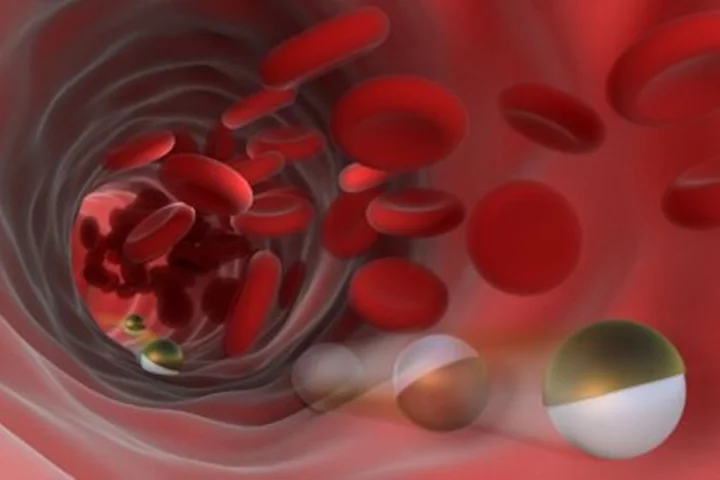 In future, many diseases may be treated by tiny robots delivering drugs. Taking inspiration from white blood cells, researchers from the Max Planck Institute have unveiled a new micro-robot design that can move against the current of blood flow.
 -
 Tiny robots could one day deliver drugs inside our bodies, but there are still a few hurdles. Now researchers have developed corkscrew microrobots that drill into cancer while they deliver drugs, preventing them being washed away by fluids.
 -
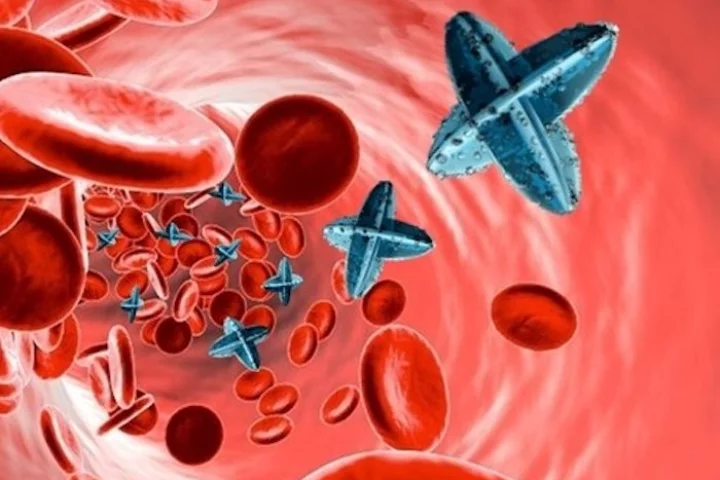 It’s entirely possible that micro-machines could one day be delivering drugs inside the body, with many designs proposed in recent years. The latest comes from the University of New South Wales (UNSW), which gets around under its own power using a system similar to how submarines rise and sink.
Load More