
Materials
-
 Spots and stripes serve many purposes in nature, but how they form has been more of a mystery. Now, researchers have advanced their breakthrough theory – and it could help us design materials that can respond to the environment and change color on demand.
 -
 We think of ice as just frozen water. It is simple, solid. But water is a master of disguise. With just two atoms, hydrogen and oxygen, it can freeze into more than 20 different types of ice. Now, scientists have discovered a new, stranger type of ice.
 -
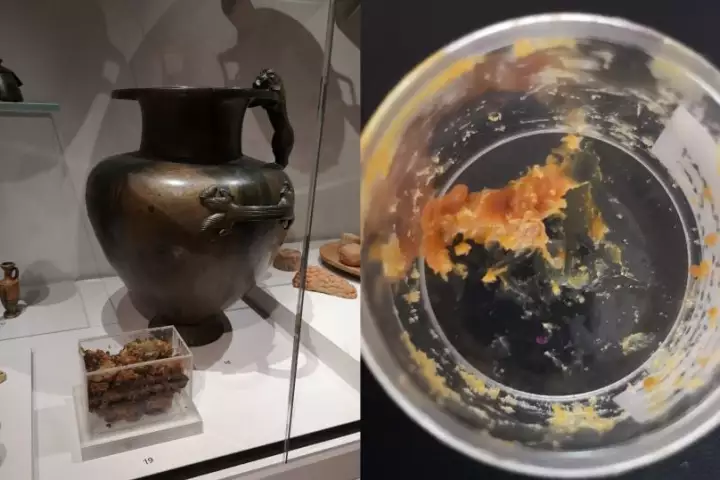 Back in 1954, archaeologists uncovered a hidden shrine deep beneath a Greek settlement. Inside, they found bronze jars holding a waxy, scented paste. Sealed with cork and marked with traces on their surfaces, the vessels held a sticky secret.
 -
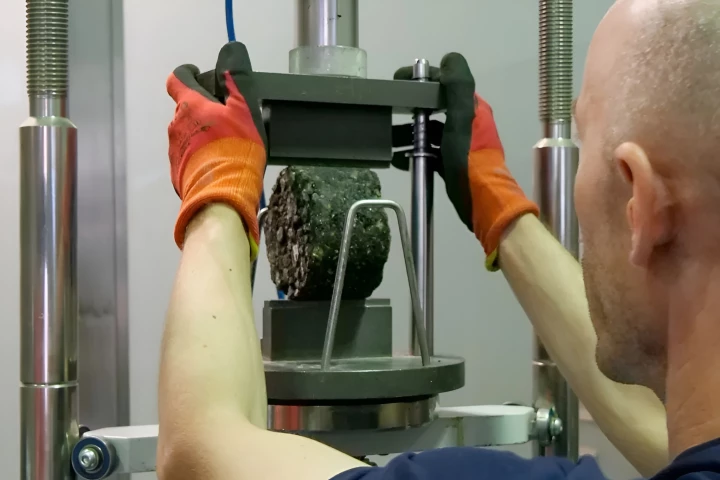 While we're used to seeing cigarette butts littering public roads, such butts may soon be making their way into those roads, strengthening them in the process. It's all part of a recycling effort, which should also reduce the need for road repairs.
 -
 A platinum fiddle that's just 35 microns in length and 13 microns in width is believed to be the world's smallest violin, measuring just a fraction of a microscopic tardigrade. But before you get too excited, there's one little twist …
 -
 Researchers have genetically modified spiders for the first time using the CRISPR gene-editing process. Adding a single gene to unfertilized eggs resulted in the creation of a spider that could produce red, fluorescent silk.
 -
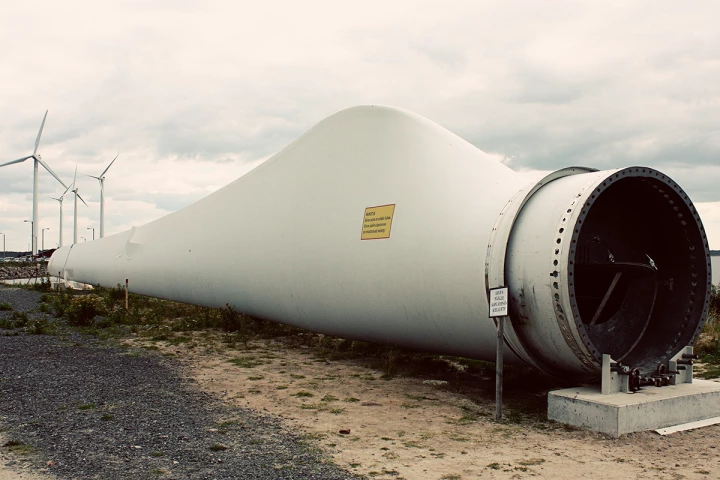 As much as wind turbines are great for producing clean energy, disposing of them when the time comes can be challenging. Researchers in China have hit upon a clever way to use discarded blades to build long-lasting roads.
 -
 Scientists have accidentally discovered a particle that has mass when traveling in one direction, but no mass while moving in a different direction. Known as semi-Dirac fermions, particles with this bizarre behavior were first predicted 16 years ago.
 -
 Under the right circumstances, electrons can actually “freeze” into a bizarre solid form. Now, physicists at Berkeley Lab have created and taken the first ever direct images of this structure.
 -
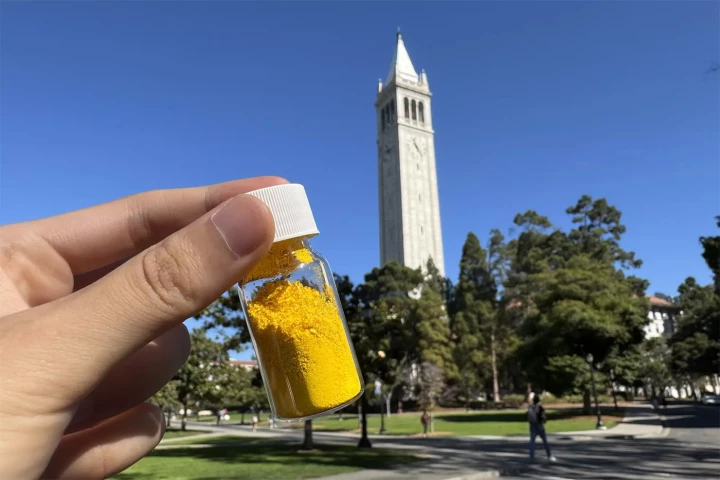 Researchers at UC Berkeley have invented a material in powder form that adsorbs carbon dioxide with astonishing performance. Just 200 g (a little under 0.5 lb) can suck up 44 lb (20 kg) of CO2, the same as a tree does in a year.
 -
 A new type of carbon-neutral concrete has been commercially used for the first time, in a skyscraper being built in Manhattan. The binder utilized in the concrete is made of granite instead of traditional greenhouse-gas-emitting limestone cement.
 -
 Scientists have demonstrated a new potential treatment for bone cancer. A bioactive glass laced with a toxic metal was able to kill up to 99% of the cancer without harming healthy cells, and could even help regrow healthy bone after.
Load More