
Marine Innovations
-
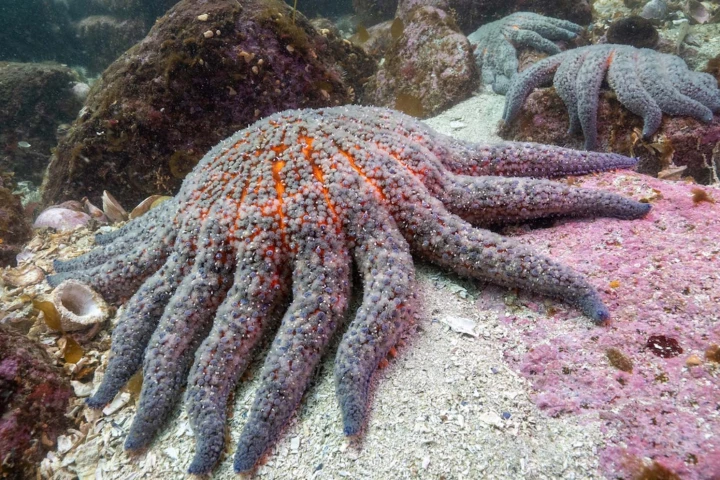 A mysterious marine epidemic has killed billions of sea stars from North America’s Pacific coast. After more than a decade of unanswered questions, scientists have finally traced the disaster to a single bacterial species.
 -
 Researchers have successfully tweaked a specialized compound from brown seaweed to unlock its powerful anti-obesity potential. Instead of appetite suppression and fat burning, this molecule reshapes the gut microbiome to fight weight gain naturally.
 -
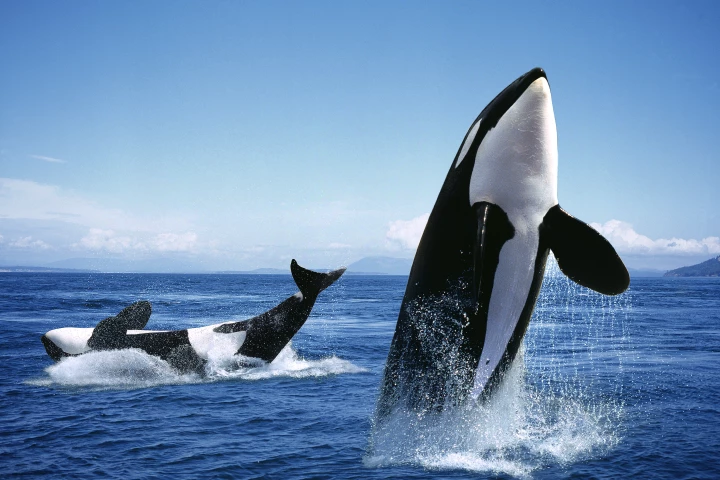 Killer whales have joined the rare club of animal species that craft tools out of nature and use them to their advantage. For the first time, they've been observed making a brush of sorts out of kelp and then using it on each other.
 -
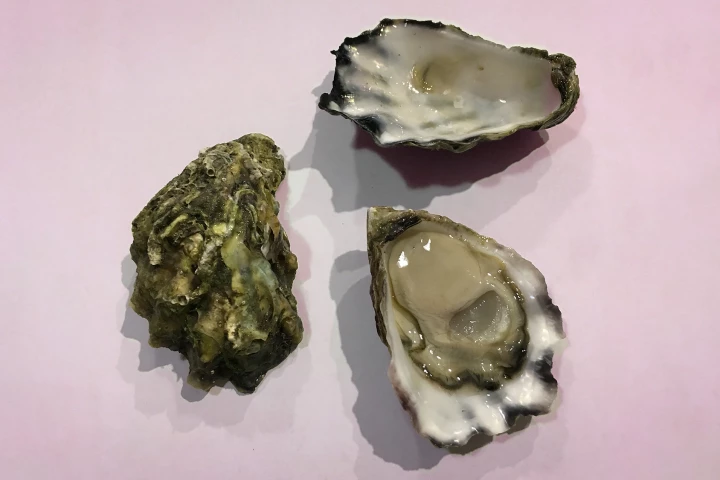 Researchers have discovered that proteins found in oyster blood have bacteria-killing properties and can boost the effectiveness of some common antibiotics whose use has been negatively affected by the global rise in drug resistance.
 -
 For four years, orcas have been ramming and sinking luxury yachts, and scientists finally have an idea why. No, it's not their anticapitalist 'eat the rich' agenda, nor is it to do with territory and aggression. The truth is, well, it's child's play.
 -
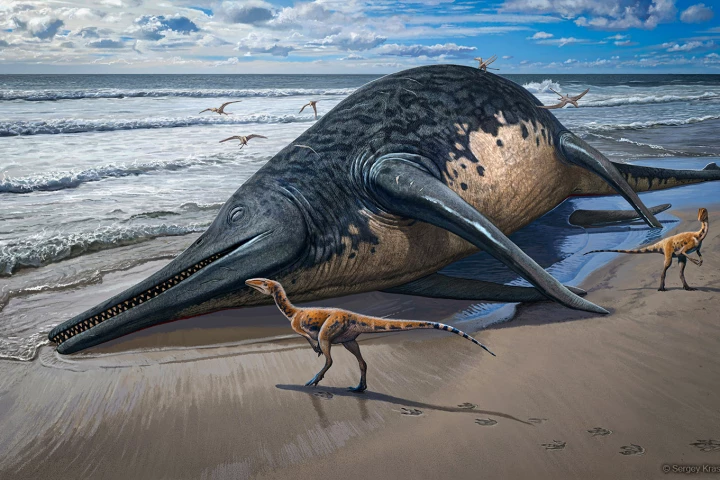 A newly described species of marine reptile could be the largest to ever swim the world’s oceans. The “giant fish lizard” lived more than 200 million years ago, and may give the blue whale a run for its money, size-wise.
 -
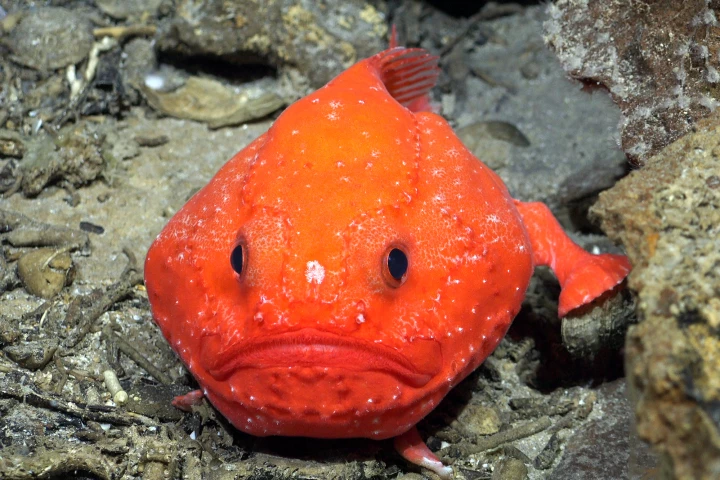 An underwater expedition off the coast of Chile has discovered 160 species not known to live in the region, at least 50 of which are new to science. The information will inform marine protection strategies for important regions in international waters.
 -
 An age of greener, more efficient shipping may be in the offing as a specially modified 43,000-tonne bulk freighter completes a six-month sea trial using a combination of diesel engines and a set of high-tech automatic sails to catch the wind.
 -
 Despite how cute 2001's Finding Nemo's clownfish was, these colorful animals have a dark side. Scientists have found that they will 'count' another clownfish's white stripes, and will viciously attack any visitor that happens to look just like them.
 -
 Scientists have had a career-making moment, capturing on film a dolphin with such a rare skin condition that only five other recorded examples exist. The dramatic black-and-white look, or piebaldism, has never been seen on a dolphin in Australian waters.
 -
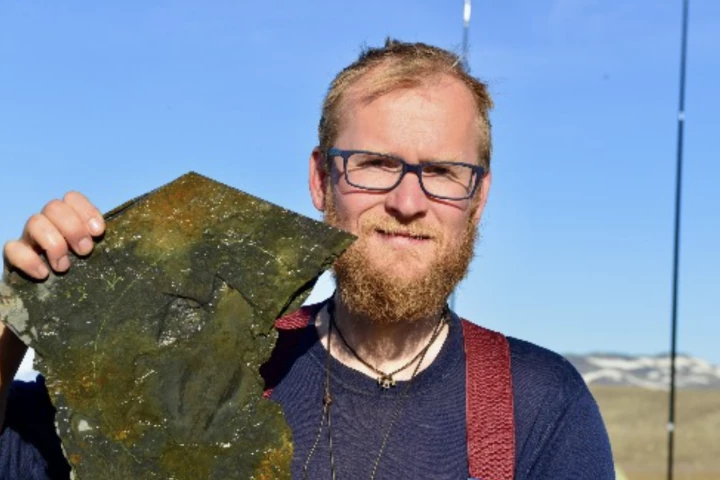 Scientists have uncovered a new huge predatory worm species thought to have hunted in the Earth’s water column around 518 million years ago. They also believe this worm, whose name means terror beast, was one the earliest carnivorous swimming animals.
 -
 Though efforts to clean up plastic waste from our oceans are well underway, it's also vital to stem the tide at a major source of pollution: rivers. Researchers in South Korea are looking to doing just that at a "living lab" facility in Gongju.
Load More