
Machine Learning
-
 For the first time, scientists have used innovative tech to demonstrated that a healthy microbiome needs a consistent flow of the right foods, finally proving that the "hunch" advice of 5 A Day is spot on, as far as your gut bugs are concerned.
 -
 The first satellite in a constellation designed specifically to locate wildfires early and precisely anywhere on the planet has now reached Earth's orbit, and it could forever change how we tackle unplanned infernos.
 -
 If you've ever used a nutrition app or kept a food diary to track calories, you'll know just how cumbersome the process can be. That's where the first automated food-logging wearable comes in, gathering all the data without any of the effort from you.
 -
 Researchers have used Fitbit data to train a machine learning algorithm to accurately predict mood swings associated with bipolar disorder. It opens the door to using a personalized algorithm to drive treatment of the life-impacting condition.
 -
 A 5,000-year-old therapeutic practice gets an upgrade. Fully automated, heated robotic arms powered by AI ensure that Aescape’s massager provides a personalized, customizable experience that doesn’t require you to be naked and covered in oil.
 -
 In the 1800s, a conflict between the founding fathers of evolution divided the community. Charles Darwin said sexual selection drove male butterfly looks, while rival Alfred Russel Wallace believed it was just natural selection. Now we have an answer.
 -
 Wild elephants have exhibited a rare ability among animals: communicating with others in their social circle using individual ‘names.’ The new research suggests that their human-like communication may mean elephants are capable of complex thought.
 -
 Machine-learning models predicted what would make beer taste better. Trained taste testers who drank the AI-altered beverages were greatly impressed. Now, scientists behind this taste-perfecting method have their sights set on much more than beer.
 -
 Researchers have created a thin transparent neural implant that can monitor activity on the brain's surface but also account for functions at a deeper level. The hope is that it will lead to an accurate but less invasive brain-computer interface.
 -
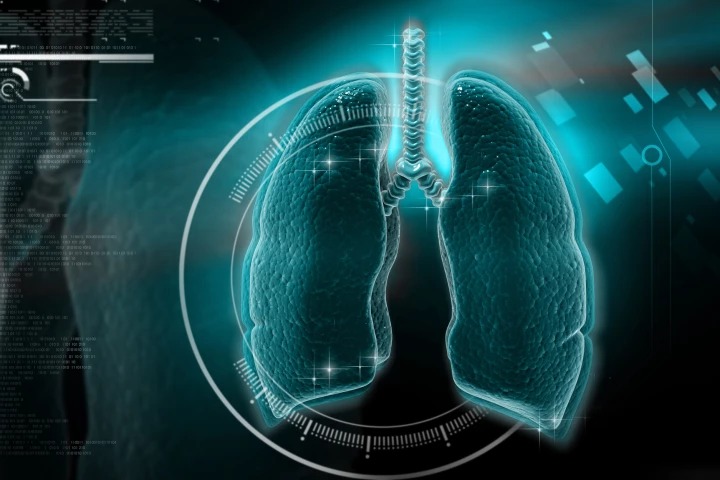 Researchers developed an AI algorithm that automatically analyzes chest X-rays to rapidly detect COVID-19 infection with more than 98% accuracy, distinguishing between normal X-rays and X-rays from people with viral pneumonia.
 -
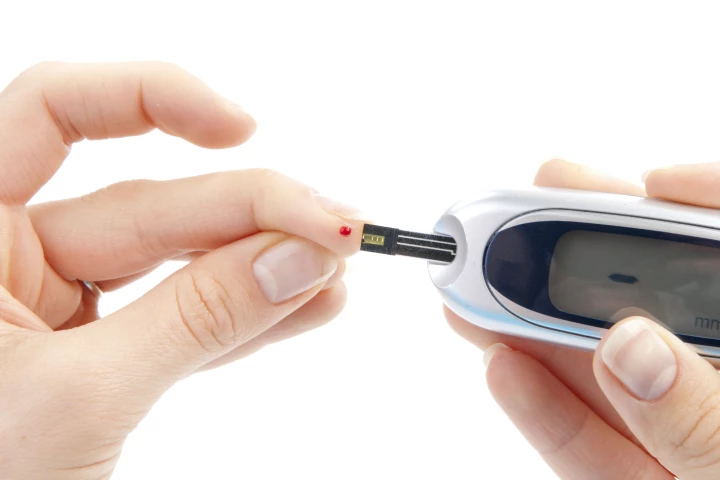 Researchers have combined high-resolution images of blood vessels under the skin of diabetics and an AI algorithm to formulate a ‘score’ that can determine disease severity. The technique could be used to monitor the effectiveness of treatment.
 -
 Researchers are using machine learning to analyze satellite radar data to detect icebergs in the Southern Ocean around Antarctica as a way to better understand their life cycle and environmental impact.
Load More