
Linkoping University
-
 Eating small amounts of licorice, in keeping with the suggested daily intake, may still cause high blood pressure in healthy young people, a new study has found. The findings highlight the need for caution when consuming the sweet black treat.
 -
 While hydroponic farms do allow a lot of plants to be grown in a small space, they would be a better alternative to traditional farms if those plants grew faster. That may soon be the case, thanks to the development of electrically conductive eSoil.
 -
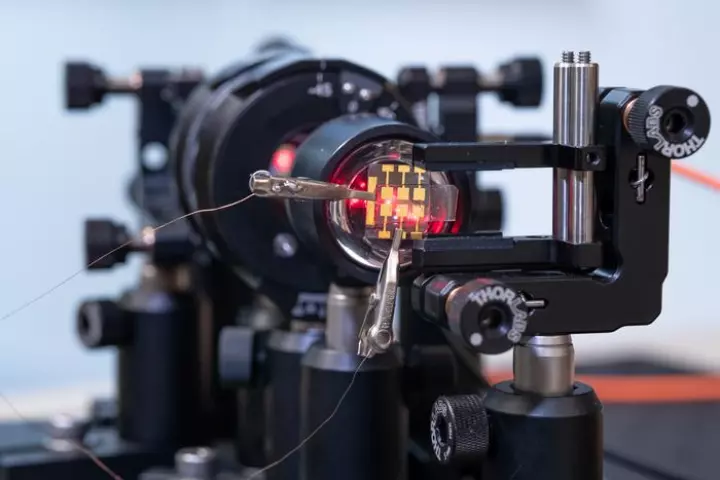 Random numbers are critical to encryption algorithms, but they're nigh-on impossible for computers to generate. Now, Swedish researchers say they've created a new, super-secure quantum random number generator using cheap perovskite LEDs.
 -
 Dementia is frequently associated with negative assumptions concerning loss of memory and independence. But a new study has found that contrary to commonly held beliefs, it is possible for people with dementia to continue to learn despite the condition.
 -
 It's ironic that in order to check if a wound is becoming infected, doctors may end up setting back the healing process by removing the dressing. An experimental new dressing is designed to help, as it changes color if an infection is occurring.
 -
 A cornea implant made out of collagen gathered from pig skin has restored the vision of volunteers in a landmark study. Pending further testing, the novel implant is hoped to improve the vision of millions waiting for difficult transplant surgeries.
 -
 Artificial devices usually don’t communicate well with nature. Now, researchers have created artificial organic neurons and synapses that can integrate with natural biological systems, and demonstrated this by making a Venus flytrap close on demand.
 -
 Complex bone fractures can be hard to treat, sometimes requiring the injured bone to be replaced with bone harvested from elsewhere in the body. Thanks to a new material, though, bone-building micro-robots may someday provide an alternative.
 -
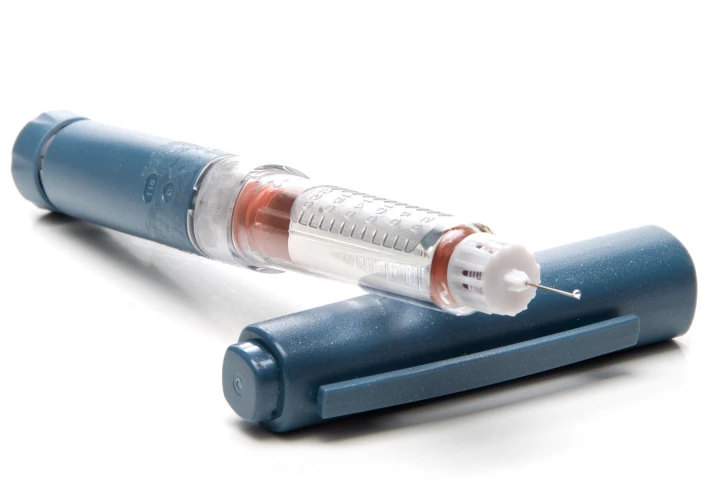 Results from a trial testing a type 1 diabetes vaccine have found the treatment effective in patients with a specific genetic variant. If validated in larger trials the treatment could be helpful in around 50 percent of patients with type 1 diabetes.
 -
 Scientists at Sweden's Linköping University have developed a new tool to tackle risky remnants of malignant brain tumors, demonstrating how an ion pump can take highly effective chemotherapy drugs directly to the source of the problem.
 -
 Chickens have never had a reputation as intellectual heavyweights and scientists may have found the reason why. Experimental breeding suggests the domestication of the chicken 10,00 years ago caused the bird's brain to shrink and made them less fearful.
 -
 Bacteria are a looming threat to public health, as they continue to develop resistance to antibiotics. Now a new study has identified a peptide that can make existing antibiotics more effective at a much lower dose.
Load More