
Light
-
 A tool long used to probe neural circuits in the lab is now being floated as a new way to treat human patients. The technique uses light to turn specific neurons on or off, and it could be used to treat everything from chronic pain to epilepsy.
 -
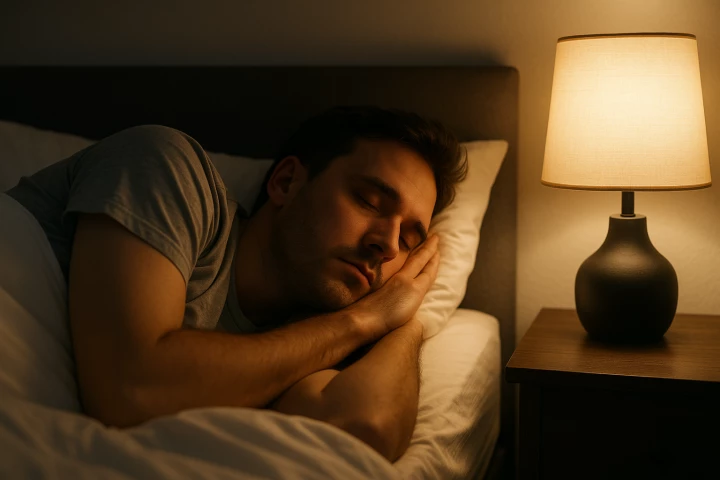 After examining 13 million hours of light exposure data, researchers found that experiencing bright light during the dark hours can significantly increase the risk of heart failure and heart attack. The effect was most notable in younger adults.
 -
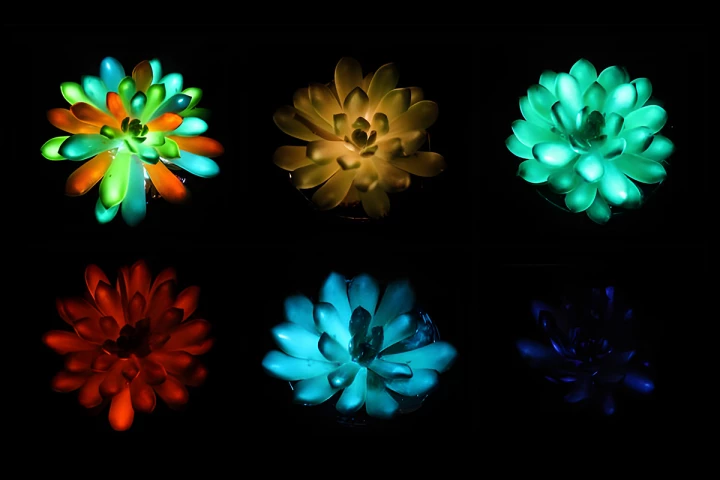 Wouldn't it be great if the plants in your home could do more than just sit there looking pretty? Researchers in China have found a way to upgrade succulents into soft glowing night lights in a range of hues, with the use of nanoparticles.
 -
 If you've noticed that you're hearing birdsong longer into your day than you used to, your observation fits with a study examining millions of hours of tweets and warbles. But just why are our feathered friends holding longer concerts?
 -
 The oceans are losing their light – and with it, possibly their life. A new study reveals more than 20% of the Earth's ocean, an area larger than Asia, has darkened over the last two decades.
 -
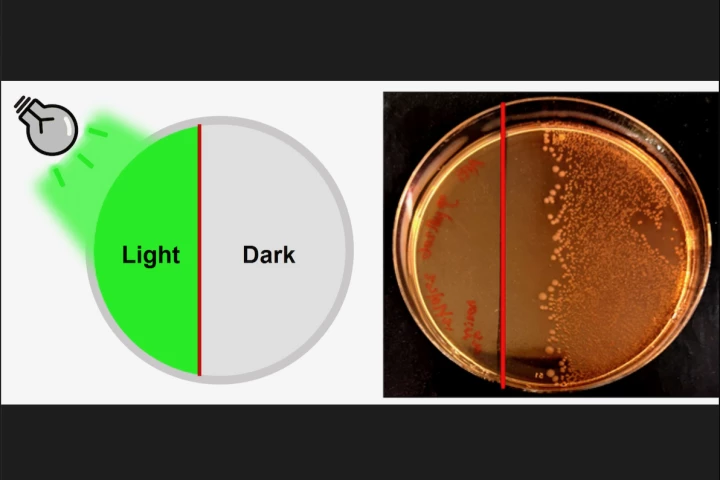 As unspent antibiotics pass from our bodies, they contribute to the development of antibiotic-resistant bacteria. Scientists are addressing this problem with a new technology which causes such drugs to only become active upon exposure to green light.
 -
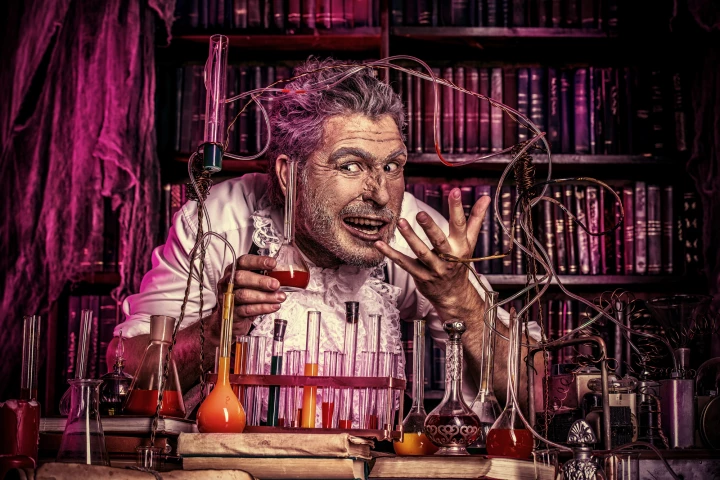 Among the important scientific discoveries made every year are some that reveal that the world is way weirder than we give it credit for. From bizarre biological quirks that cause demonic hallucinations, to sci-fi scenarios like brains piloting robots and full head transplants, here are the weirdest science stories of 2024.
 -
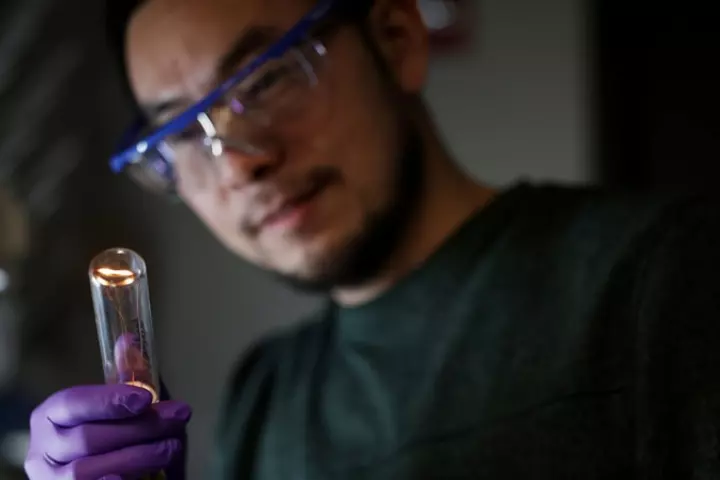 Forget LEDs, researchers from the University of Michigan have developed a new type of incandescent light bulb. The device is capable of emitting elliptically polarized light, described as "twisted" light.
 -
 The first direct visualization of the shape of a photon has been created. These particles of light are impossible to photograph, but UK physicists have now calculated their wave function to produce an accurate image of a photon as it’s emitted.
 -
 People with photosensitive epilepsy could soon be able to watch TV without worry. Scientists in the UK have created glasses that can block out specific wavelengths of light known to cause seizures.
 -
 New York might be known as the city that never sleeps, but it turns out there's a lot less shuteye happening in smaller urban areas across the globe. And it's not because of nightlife, but artificial light emitted from buildings and infrastructure.
 -
 A new experiment has demonstrated something that sounds physically impossible – light itself casting a shadow. If you manipulate a laser just right, then hit it side-on with another light source, it’s possible to create this bizarre optical effect.
Load More