
KU Leuven
-
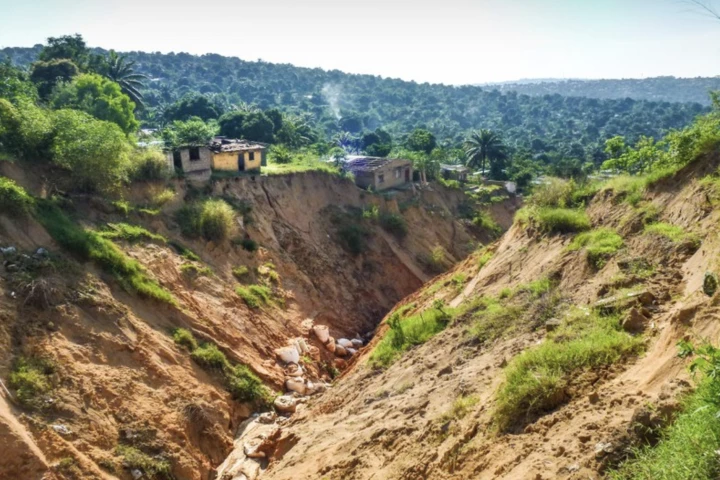 Nearly 3,000 growing chasms have opened up in dozens of towns, swallowing up roads and houses in their path. Known as urban gullies, these destructive forces of nature are increasing rapidly and now threaten to displace more than 3.2 million people.
 -
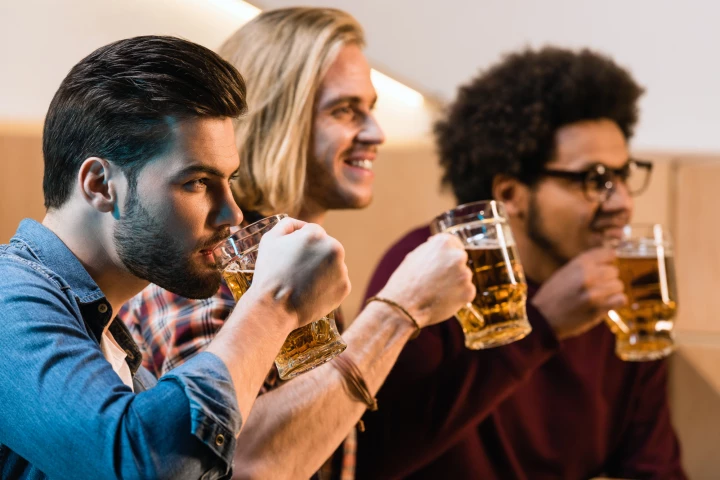 Machine-learning models predicted what would make beer taste better. Trained taste testers who drank the AI-altered beverages were greatly impressed. Now, scientists behind this taste-perfecting method have their sights set on much more than beer.
 -
 The James Webb Space Telescope has made the first direct analysis of clouds on a nearby alien world. These aren’t just made of water vapor but also sand, which would move around the planet much like Earth’s water cycle.
 -
 Bears don't move much all winter long, but people are advised to get up frequently during a long flight to prevent blood clots. A new study uncovers why this discrepancy exists, and how it might lead to safer replacements for blood thinners.
 -
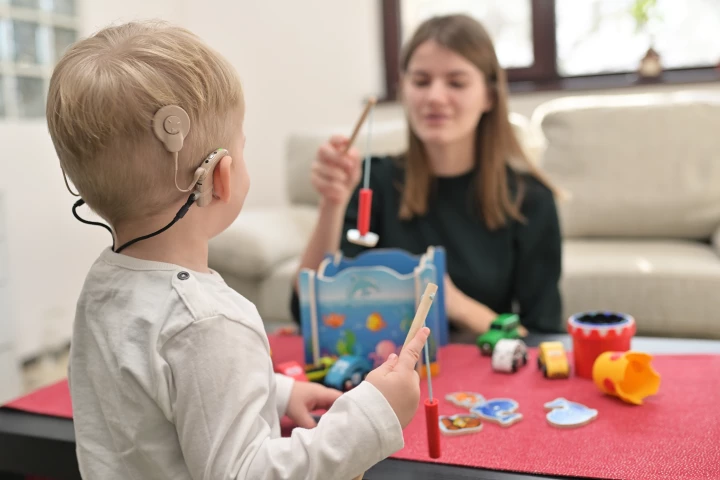 Although cochlear implants do allow some deaf people to hear again, adjusting the devices to individual users can be challenging. An experimental new implant is designed to help in that regard, by reading the user's brain waves.
 -
 Hearing aids are often stymied by the "cocktail party" effect, wherein they can't amplify one person's voice without also boosting the voices of everyone else in the room. A new AI system, however, could help focus the devices' attention where it's needed.
 -
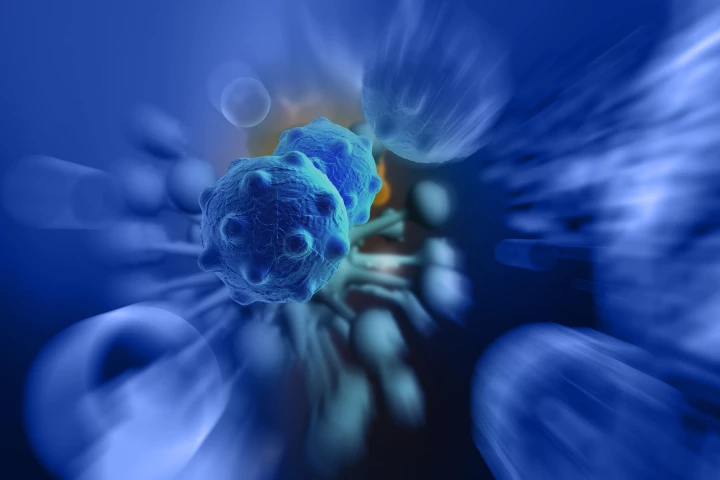 A new type of copper-based nanoparticle has shown effectiveness in killing off tumor cells in mice. But by combining it with immunotherapy scientists say it produced long-lasting effects, quickly killing off any cancer cells that dared to return.
 -
 After a decade of research, scientists at KU Leuven in Belgium have developed a device that can uses sunlight to produce a record-breaking 250 liters (66 gal) of hydrogen a day.
 -
 Although only at the proof-of-concept stage right now, scientists in Belgium have come up with a way of capturing polluted air and converting it into power in the form of hydrogen gas, a technology that could prove a two-pronged environmental panacea.
 -
 Bacterial biofilms can form on dental implants, causing infections. One approach to this problem has been to apply an antibacterial coating to the implant. Now, however, scientists have developed an implant that disperses an antimicrobial solution from the inside out.
 -
 A team of researchers from the University of Leuven (KU Leuven) in Flanders, Belgium, has discovered a link regarding the level of friction between an exoplanet's lower atmosphere and the surface of tidally-locked exoplanets, and their potential for supporting life.
 -
 Researchers at the KU Leuven Centre for Surface Chemistry and Catalysis in Belgium have developed a Polylactic acid (PLA) production technique that is cheaper and greener and makes the bioplastic a more attractive alternative to petroleum-based plastics.
Load More