
KTH Royal Institute of Technology
-
 Swedish scientists have demonstrated a new potential way to manage diabetes, one of the most pressing health problems of our time. It turns out the eye might be a useful place to implant insulin-producing cells to control blood sugar levels.
 -
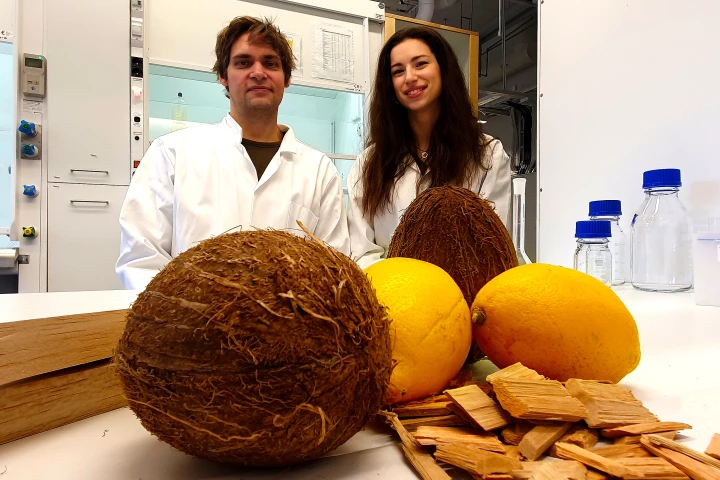 Energy prices around the world have been rising alarmingly since 2021. While some have shared advice on how to heat the person rather than the home, researchers at KTH are working on a building material that could help regulate indoor temperatures.
 -
 Presently, orthopedic surgeons use screwed-in metal plates to hold unstable broken bones together. There may soon be a less problematic, more customizable alternative, though, which incorporates a light-cured composite material.
 -
 Disposable diapers are not eco-friendly, not only because of their plastic outer shell, but also due to their petroleum-based absorbent inner layer. There could soon be a sustainable alternative to the latter, though, and it's made from wheat gluten.
 -
 However useful a drug may be, it’s a problem if it has adverse effects on healthy cells. Now researchers have shown a way to keep drugs on target, by wrapping them in a transport that can only be unlocked by a certain RNA sequence unique to cancer.
 -
 A new way of bending X-rays raises the prospect of smaller, more powerful X-ray space telescopes. Based on technology originally developed for medical imaging machines, the new design replaces conventional mirrors with a network of micro-engineered plastic prisms.
 -
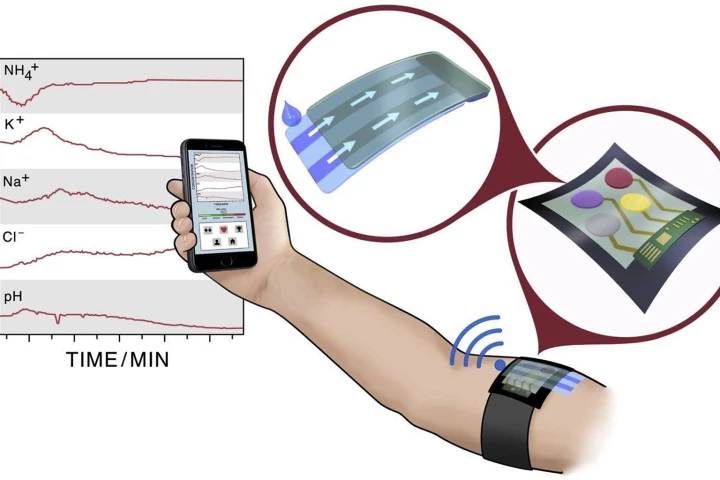 Wearable health-monitors are everywhere, from Fitbits for the health conscious to continuous glucose monitors for diabetics, but most are limited in what they can tell us, and there are issues around accuracy, calibration and reliability. Researchers in Sweden are working to change that.
 -
 Dental resin composites may be used to fill cavities in teeth, but when it comes to surgically fixing broken bones, metal plates and screws are still standard. That may not be the case for much longer, though, if a new dental-inspired adhesive bone patch enters use.
 -
 Geologists estimate that the Earth’s core is a sweltering 5,700 K – and yet the inner core is a solid ball of iron. Why it doesn’t liquify is a bit of a mystery, but now a study puts forward a new theory, simulating how solid iron can remain atomically stable under such extreme conditions.
 -
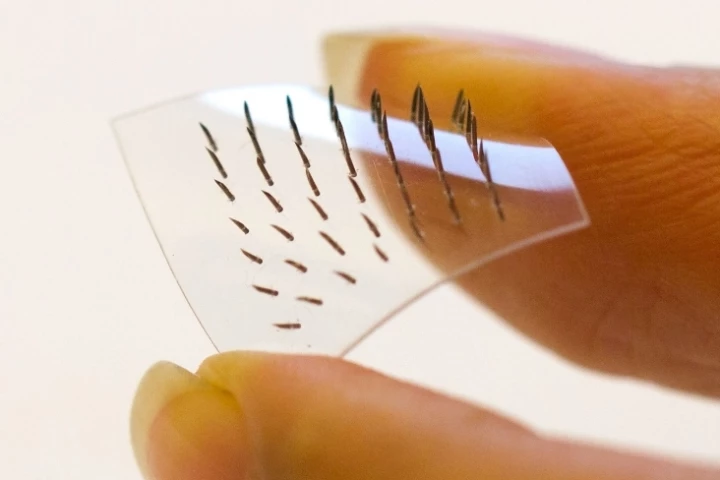 We have seen numerous takes on microneedle technology, but researchers in Sweden believe they have come with a design to top them all, with a patch that combines soft and hard materials for better performance and comfort.
 -
 While silver nanoparticles are very effective at killing bacteria, there are major concerns regarding the effects that those particles may have on human health. Now, however, scientists have come up with what could be a less harmful alternative – red algae.
 -
 Working with cellulose from trees, researchers have produced fibers claimed to be as strong as steel, and versatile enough to replace strands of fiberglass or lengths of cotton whilst still remaining biodegradable.