
KAIST
-
 Researchers have developed a spray-on powder that turns into a wound-conforming gel when it comes in contact with blood. The breakthrough has the possibility of dramatically improving wound care in combat and other life-threatening situations.
 -
 One of the big challenges in building a space rover is ensuring it doesn't break down out there. Aerospace engineers have designed a flexible wheel for rovers that doesn't require an air-filled tube, can change its size, and can take a real beating.
 -
 Instead of growing, harvesting, processing, and shipping fabric across the world, why not let non-polluting bacteria grow it and dye it in a single container? Korean scientists are taking the first steps towards doing that very thing.
 -
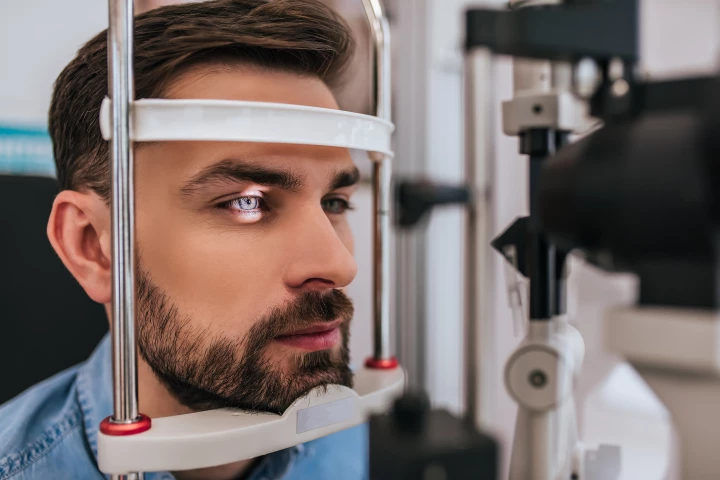 A breakthrough treatment has allowed damaged retinal cells to regenerate themselves. The current research has been conducted on mice, but the pathways are the same in humans, which opens hope for a new way to treat certain kinds of blindness.
 -
 Working with a line of colon cancer cells, Korean researchers figured out a way to throw a few genetic switches to cause the cells to revert back to a healthy state. The technique could have major implications in the way we approach cancer treatment.
 -
 Researchers regenerated damaged bone in mice by creating a scaffold that combines a piezoelectric framework and the growth-promoting properties of a naturally occurring mineral. The novel “bone bandage” has wide-ranging potential applications.
 -
 While intravenous needles need to be rigid in order to pierce the skin, that rigidity sometimes causes damage to the veins. A new needle addresses that issue by softening upon insertion into the patient's body.
 -
 Scientists in South Korea have created what they call "the world’s smallest ball game," throwing individual atoms between two optical traps. The research could eventually make for more adaptable and dynamic quantum computers.
 -
 No matter how hard we may try, we can't really tell if we've got bad breath – and asking someone else to sniff our breath for us can be awkward. It's now possible that before too long, however, a portable "thumb-size" device could let us know.
 -
 Among other things, brain implants are capable of stimulating specific neurons, and of delivering medication to specific regions. An experimental new implant could overcome a common limitation of others, by transforming from rigid to soft states.
 -
 Medical implants that help regulate activity in the brain could go a long way to treating conditions like Parkinson's and depression, and scientists have just developed one with some very useful functionality.
 -
 A new study is providing insights into a cellular energy pathway linked to longer lifespan. The research, conducted in human cells and roundworms, raises the prospect of anti-aging therapeutics that can extend lifespan by activating this pathway.
Load More