
Japan
-
 Since 2011, scientists have been puzzled about the force resulting from a gigantic earthquake and tsunami that destroyed, among other things, Japan's Fukushima Nuclear Plant. Now, a Guinness World Record drilling expedition has solved the puzzle.
 -
 A new species of jellyfish, named after a samurai warrior, has been identified off the coast of Japan and its discovery is more than just a biological curiosity. It reveals ocean currents changing and marine migration routes shifting.
 -
 They're not serving sushi on the Moon – yet – but if or when they do, Mitsubishi Heavy Industries and DASSAI want sake on the table. To attain this quaffable goal, the companies are sending a rice fermentation experiment to the International Space Station (ISS).
 -
 Scientists in Japan have developed a new method for breaking down toxic “forever chemicals” quickly and at room temperature. The technique broke down 100% of certain types of these pollutants overnight, recovering some useful components for reuse.
 -
 You’d never notice one star in the galaxy that wasn’t from around here. Astronomers have now found that a star right near the supermassive black hole at the center of the Milky Way likely originated in a smaller galaxy that ours devoured.
 -
 Whether they’re hacking the brains of bugs or mining gold, fungi are craftier than we give them credit for. Now researchers in Japan have studied how forest mushrooms communicate with each other, and found that they're mostly chatty when it rains.
 -
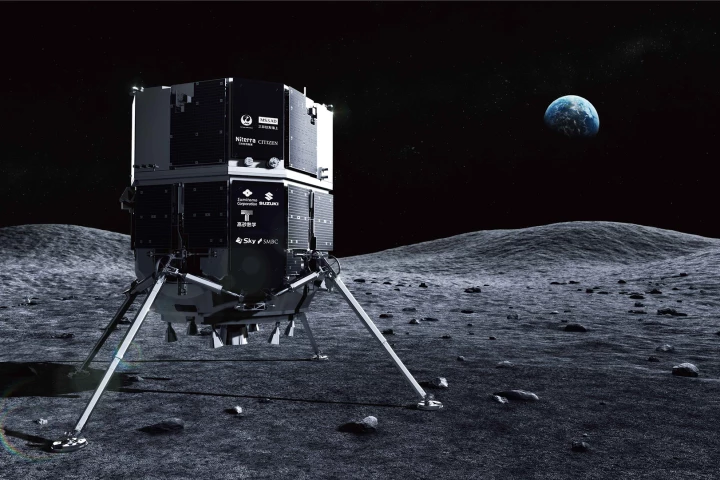 Japan's attempt to put a privately-owned spacecraft on the Moon appears to have ended in failure. Scheduled to land at 16:40 GMT, the Hakuto-R lander lost contact with Mission Control in Nihonbashi, Tokyo shortly before the planned touchdown.
 -
 Japanese scientists have engineered the smallest lifeform that can move on its own. The team introduced bacterial proteins that enable movement into a simple synthetic bacterium that normally cannot move, causing it to change shape and become mobile.
 -
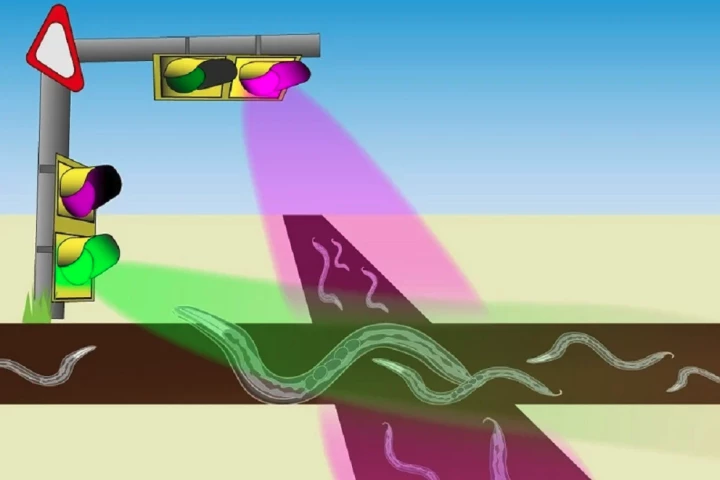 Scientists in Japan have demonstrated a technique that allows them to remotely control the movements of worms. By implanting light-sensitive proteins into the organisms, the team was able to make them move under green light and stop under UV.
 -
 Health authorities in Japan have issued emergency approval to a new oral antiviral treatment for COVID-19 called ensitrelvir. The once-daily pill works similarly to Pfizer's Paxlovid, and initial Phase 3 results indicate it shortens the duration of symptoms.
 -
 A torn meniscus, the cartilage in the knee, is a common sports injury, and unfortunately it doesn’t heal well. But researchers in Japan have now identified a hormone that helps repair the cartilage after a surgical treatment.
 -
 Immunotherapy is a promising new form of cancer treatment, but the supercharged immune cells it employs can become exhausted in the fight. Researchers in Japan have found a way to keep them going for longer, by rejuvenating them with stem cells.
Load More