
Inks
-
 Analyzing tattoo inks from US manufacturers, researchers have found that 90% contained ingredients that weren’t listed on the label. The findings highlight the need for tighter manufacturing regulations around tattoo inks.
 -
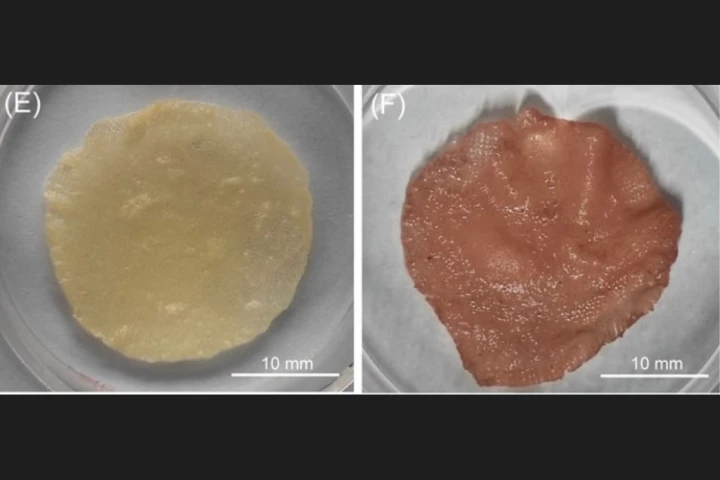 Although great strides are being made in the field of lab-grown meat, the stuff is still quite expensive to produce. A new 3D-printing ink could help, while also making use of agricultural waste that would otherwise be discarded.
 -
 New research presented at the fall meeting of the American Chemical Society, analyzing nearly 100 currently used tattoo inks, found many inks contained chemicals not declared on their ingredient list, and at nanoparticle sizes suspected to be harmful.
 -
 Tattoos are fast becoming more than just a means of self-expression: soon they could be fitted with practical applications. Now, a team from Harvard and MIT has developed a smart ink that could make for tattoos that monitor biometrics like glucose levels, and change color in response.
 -
 There's a lot of carbon in automobile exhaust. Carbon is also used as a pigment in black ink. The guys at Singapore-based Graviky Labs have combined the one with the other, by harvesting carbon from vehicles' tailpipes to make their own eco-friendly AirInk.
 -
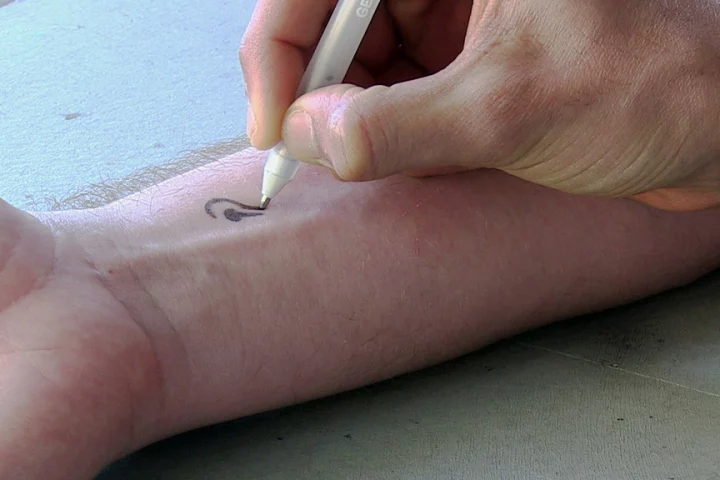 You've probably heard about pens with conductive ink, that allow users to draw circuits onto materials such as paper. Now, researchers have gone a step or two farther – they've created "bio-inks" that could be used to draw sensors onto a variety of surfaces, using an ordinary ballpoint pen.