
Hokkaido University
-
 Samples taken from the near-Earth asteroid 162173 Ryugu continue to provide scientists with important insights. The discovery of the nucleobase uracil, a part of RNA, in the samples, hints at the potential beginnings of life on our planet.
 -
 Unlike the tissue in other parts of the body, such as the skin, the neuronal tissue in the brain doesn't regenerate after being damaged. It may one day be able to do so, however, with a little help from a new type of hydrogel.
 -
 In order to grow big and strong, plants require the red and blue light that are part of the visible "white" light produced by the sun. Scientists have now developed a plant-boosting film, that converts the sun's UV light into more red light.
 -
 Scientists in Japan have made a fascinating discovery around muscle wasting, demonstrating how human muscle cells can be infused with serum from hibernating black bears to not just prevent atrophy, but actively promote an increase in mass.
 -
 A new study from scientists in Japan and the US has identified a form of inter-neuron communication as a key mechanism in the way inflammation spreads between joints in conditions like rheumatoid arthritis.
 -
 Scientists have come up with a new tool to study the way cancerous cells can hide away in body tissues and spring back into action once the danger appears to have passed, with a new hydrogel that turns different cancer cells into cancer stem cells.
 -
 A new Japanese study simulated interstellar clouds of dust and gas, and managed to produce some of the building blocks of DNA.
 -
 You might think we'd have discovered of all the big animals by now, but Japanese scientists have found a previously-unknown whale species.
 -
 Livestock like sheep and cows are responsible for huge amounts of methane emissions. Now, an international team of researchers has analyzed the gut microbes of different sheep and found clues that may help us curb the problem.
 -
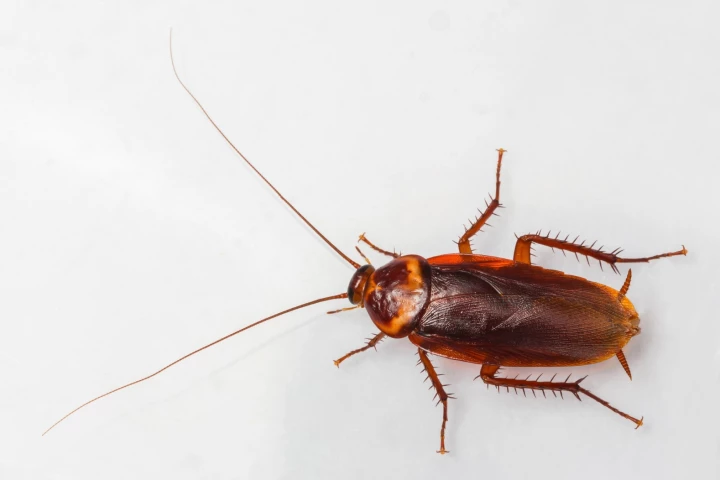 They’ve been around for the past 300 million years, outlasting the dinosaurs and outsmarting our attempts to get rid of them. Now, Japanese researchers have revealed yet another reason why we have been unable to put a dent in their populations: female solidarity.
 -
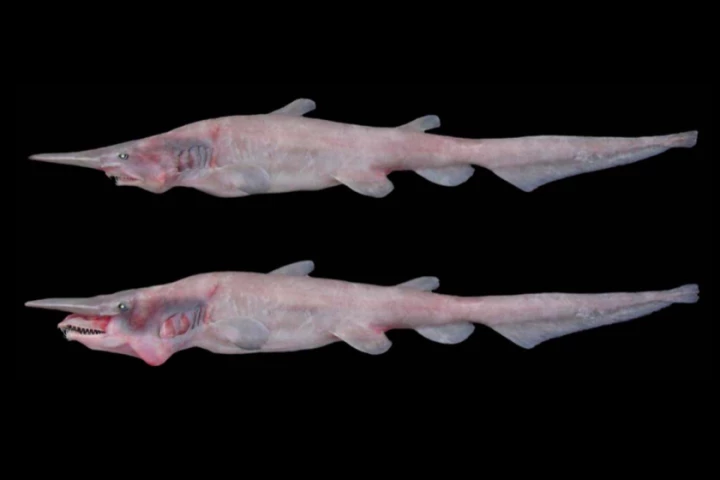 The bizarre-looking goblin shark lives at great depths, where prey isn't always plentiful. So, how does it manage to catch enough to eat? As scientists recently discovered, it's able to shoot its protruding jaws forward faster than any other fish.