
Heart Rate Monitor
-
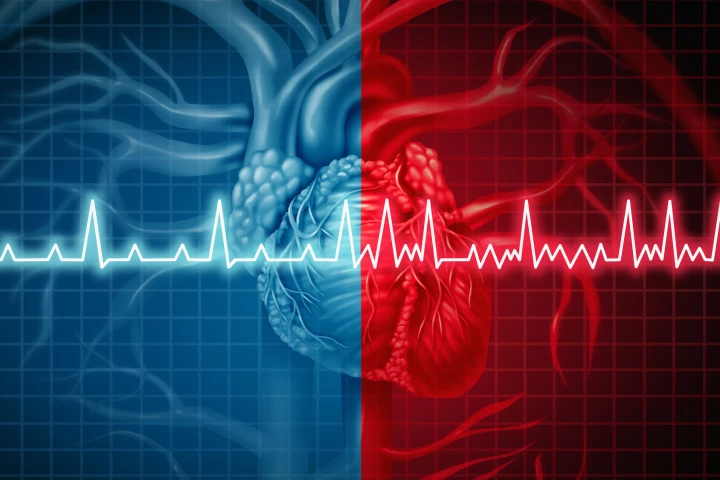 Trained on simple heart rate data, an AI model can predict an episode of atrial fibrillation 30 minutes in advance. With plans to incorporate it into a smartphone so it can analyze data from a smartwatch, the model would act as an early warning system.
 -
 While most people attempting to lose weight will know that there is an optimal ‘zone’ in which fat metabolizes best, based on heart rate and age. Researchers have now found that for many people this is actually an inaccurate formula to be using.
 -
 We could soon be checking our heart rhythm while grocery shopping, thanks to a device incorporated into the handle of a supermarket cart designed to monitor for atrial fibrillation, a common heart arrhythmia that’s a key risk factor for stroke.
 -
 Engineers have developed a fully integrated wearable ultrasound device that monitors deep tissues in real-time for up to 12 hours. What's more, it's wireless, meaning that patients can stay mobile while doctors track their vital signs remotely.
 -
 We all know that wearable devices collect health-related data like the number of steps taken or sleep quality. But what about evaluating a person’s mental health? A new study has found that wearables can do that, too.
 -
 The FDA has authorized a Fitbit feature designed to continuously monitor a wearer’s heart rhythms for signs of arterial fibrillation. The roll-out is based on a study that last year reported the algorithm detects 98 percent of irregular heart rhythms.
 -
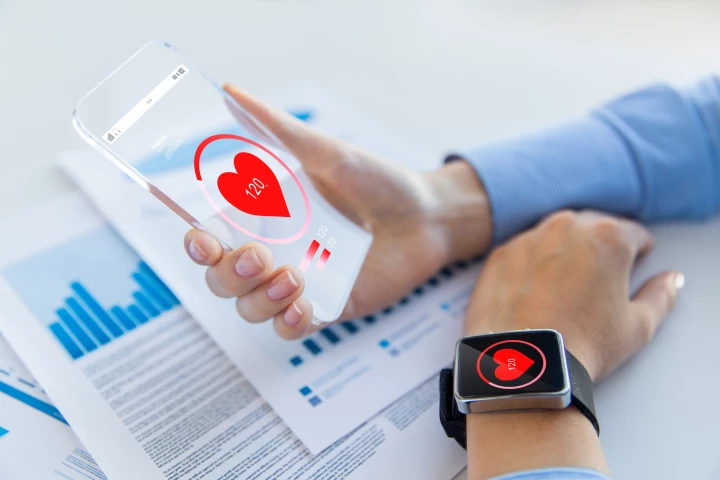 The results have been revealed from a study testing an algorithm designed to detect irregular heart rhythms using data from wearables. Enrolling nearly half a million subjects, the study detected undiagnosed atrial fibrillation in 98 percent of cases.
 -
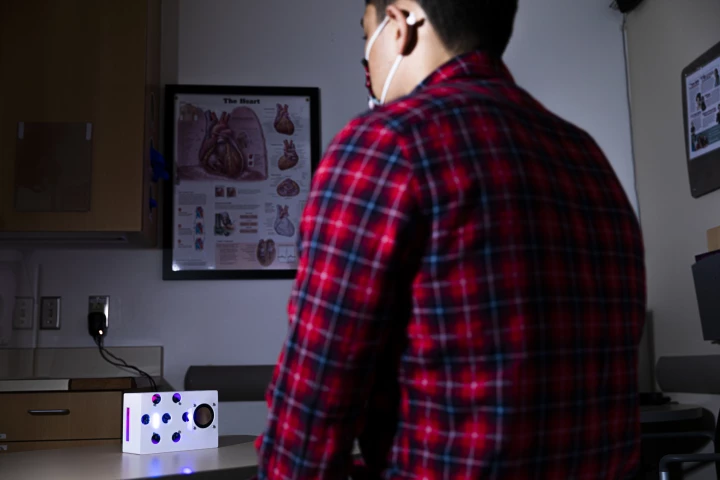 Scientists at the University of Washington have leveraged modern machine learning technology to produce a prototype smart speaker that can monitor a person's heart, without the need for them to physical touch it.
 -
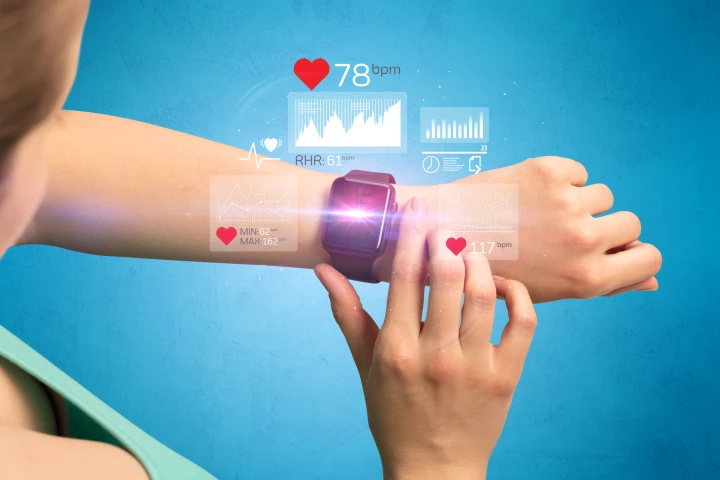 New research has shown depression can be detected by monitoring a person's heart rate over a 24-hour period. The small study needs more verification but it points to a biomarker that could be easily integrated into patient monitoring systems.
 -
 A tiny new sensor that can be worn in items of clothing could offer a new way to tap into the subtle vibrations produced by a wearer's heart and lungs, and even alert the user when it might be time to head for a checkup.
 -
 It would be an understatement to say that a lot of people suffer from too much stress. Unfortunately, though, it can sometimes be difficult to determine just what the causes of that stress are. VivaLNK's new Vital Scout is designed to help you find out.
 -
 Could the stethoscope be on its way to becoming a quaint instrument from yesteryear? Well, maybe. German scientists are reporting success in using radar to monitor people's heartbeats – and the technology could allow for more accurate diagnoses of heart maladies.
Load More