
-
 Among the many problems posed by the rapid proliferation of data centers is the strain on local water supplies. Google says it's building a better data center that won't require water to keep its servers and computing equipment cool.
 -
 An ambitious plan to generate sequence genomes for 1.85 million species on our planet is underway. It's a major undertaking that'll dramatically enhance our understanding of biology, and inform conservation efforts. Thankfully, AI is lending a hand.
 -
 The first satellite in a constellation designed specifically to locate wildfires early and precisely anywhere on the planet has now reached Earth's orbit, and it could forever change how we tackle unplanned infernos.
 -
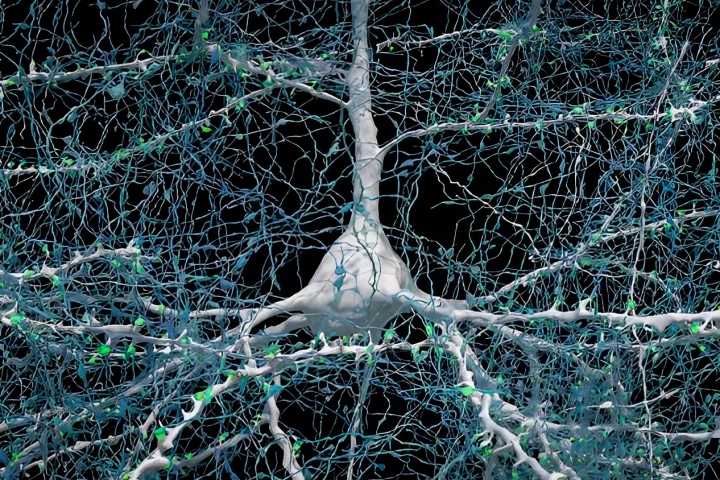 Harvard and Google Research have mapped thousands of cells and millions of synapses in a poppy seed-sized sample of tissue. The result is a set of truly stunning images and marks a major step towards understanding of the biggest challenges in science.
 -
 Google has put AI to work as a weatherman, and shown that in just one minute on a single machine, it can make accurate predictions up to 10 days in advance, a task that normally takes a room full of supercomputers hours to achieve.
 -
 Wormholes are a sci-fi staple, and and it's possible that they exist in the real universe. But how would they work? Physicists have now used a quantum processor to simulate a traversable wormhole, teleporting information between two quantum systems.
 -
 The FDA has authorized a Fitbit feature designed to continuously monitor a wearer’s heart rhythms for signs of arterial fibrillation. The roll-out is based on a study that last year reported the algorithm detects 98 percent of irregular heart rhythms.
 -
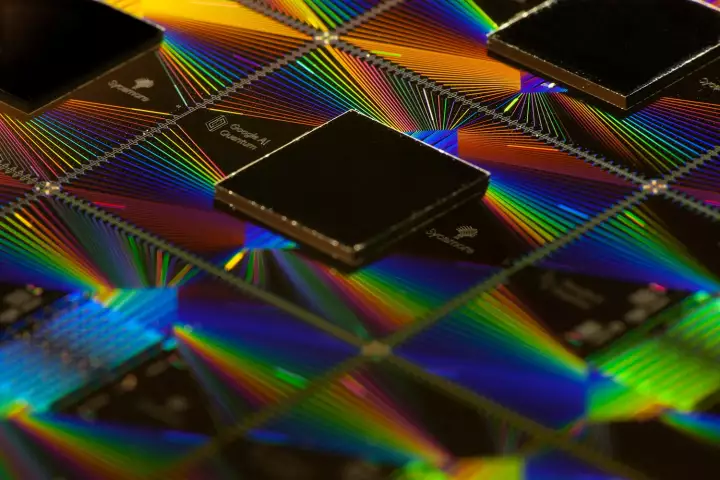 Time crystals sound like something a video game character would be trying to collect, but this bizarre phase of matter is very real – and now one of them has been created in Google’s quantum processor, Sycamore.
 -
 A browsable 3D map of just one millionth of the cerebral cortex has been created using 225 million images and a whopping 1.4 petabytes of data, illustrating the immense complexity of the human brain.
 -
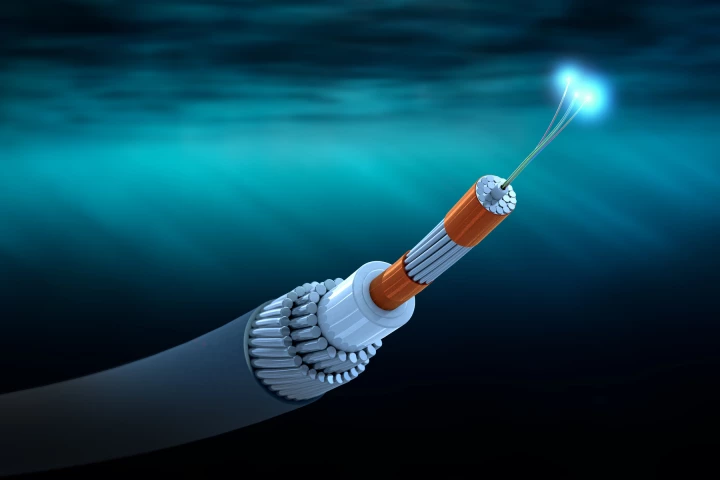 As part of a project that could greatly speed up the detection of tsunamis, Caltech and Google researchers have developed a method that turns operating submarine communication cables into earthquake detectors without using special equipment.
 -
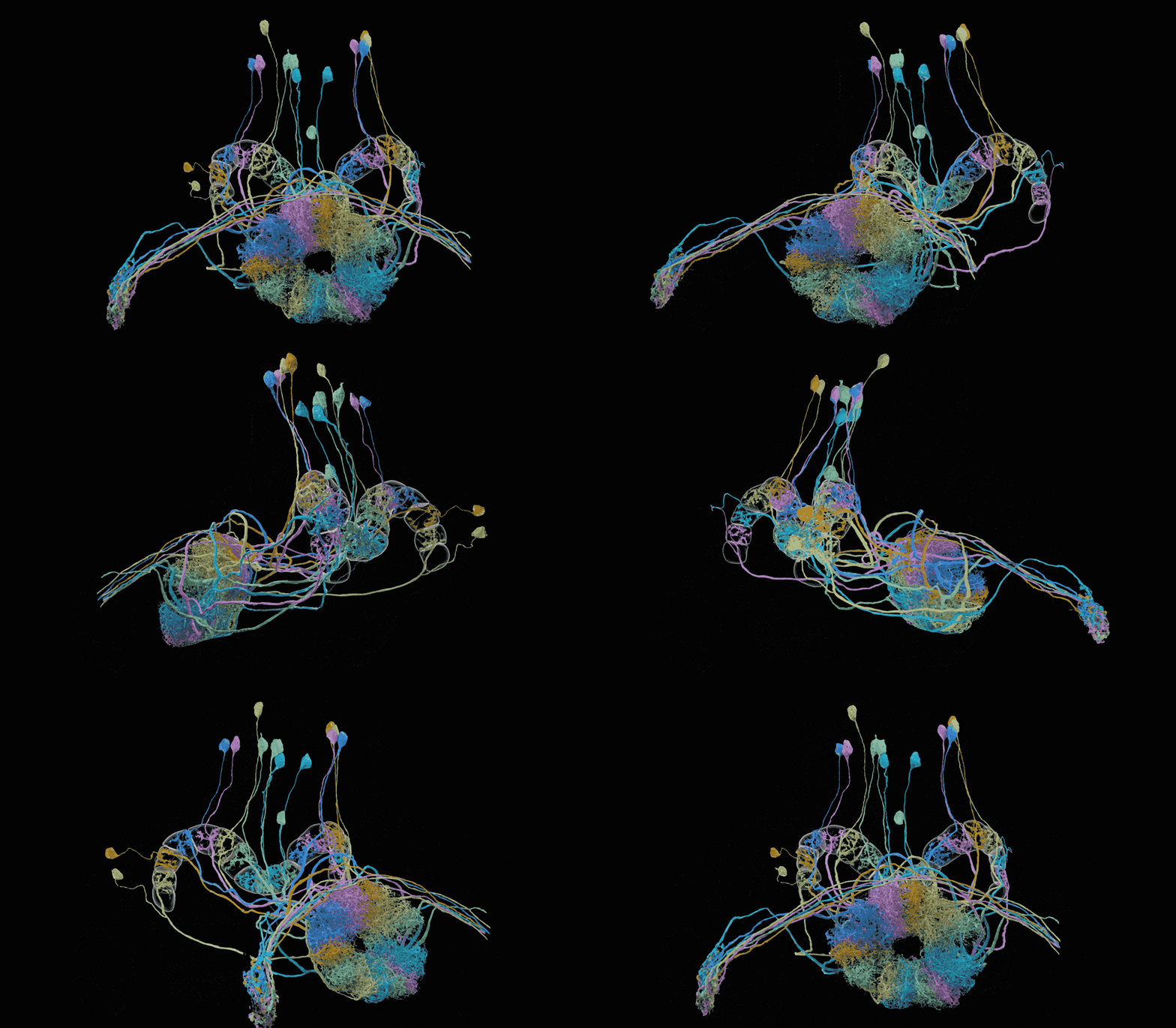 The developing field of connectomics – the attempt to produce a neuron-and-synapse-level wiring diagram of the brain – has taken a major leap forward, as a Janelia team with the help of Google has released a full map of the hemibrain of a fruit fly.
 -
 Google has announced that it has achieved “quantum supremacy,” the point where a quantum computer successfully performs an operation considered impossible for traditional computers. But rival IBM disagrees that this has been achieved at all.
Load More