
Games
-
 In the ongoing search to find an intervention that does away with opioids, a new game-based system has shown huge promise in tackling chronic neuropathic pain. Using a game and a headset, it "trains" patients to rewire brain signals to relieve pain.
 -
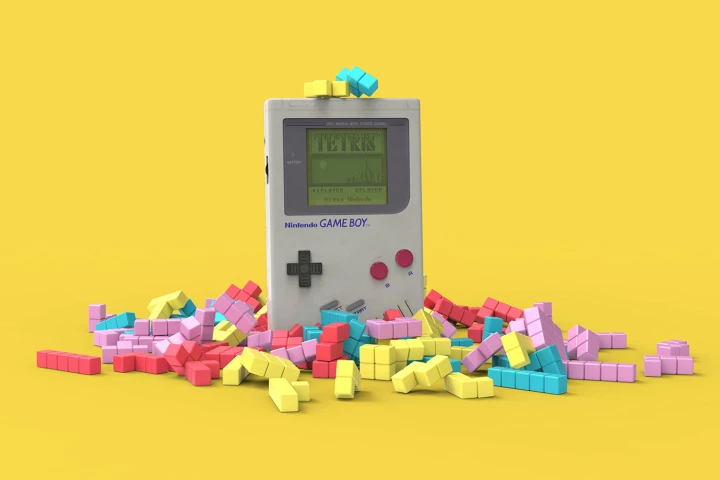 A study conducted by researchers at Uppsala University shows that playing the popular video game Tetris can significantly reduce flashbacks in people suffering from post-traumatic stress disorder (PTSD).
 -
 Playing the fantasy role-playing game Dungeons & Dragons with others has a positive impact on mental health, according to a new study. The researchers say the game should be used as a therapeutic tool as part of a holistic approach to mental health.
 -
 New results from a clinical trial lasting over a year have shown playing crossword puzzles may be more effective at slowing age-related cognitive decline than modern video games specifically developed to improve memory.
 -
 Video games are often associated with laziness, but they often use those engaging reward systems to help people's fitness. The latest is Quell, a game about punching your way through a fantasy world while getting a high-intensity boxing workout.
 -
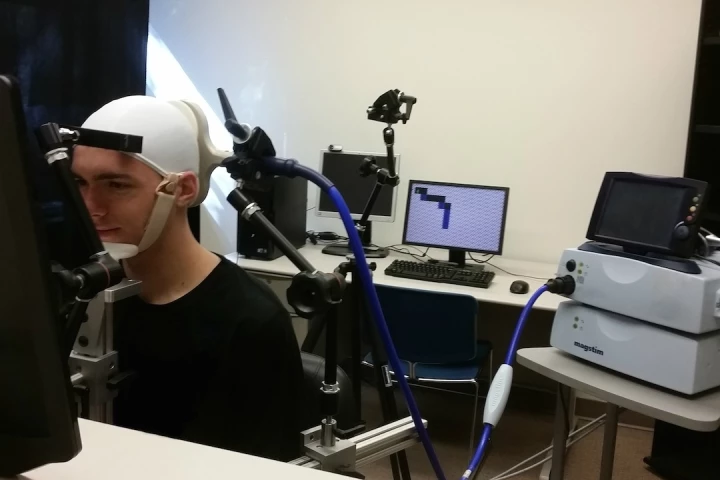 Participants in a study have successfully played through a video game without ever actually looking at it. They were guided through virtual mazes via direct brain stimulation, which could lead to sensory prosthetics to help visually-impaired people navigate or provide a new way to interact with VR.
 -
 To entice kids into the field of microbiology, scientists at Stanford have developed a DIY smartphone microscope that lets users take a closer look at the microscopic world and allows microbes to be controlled in real-time so they can be used to play games like soccer or Pac-Man.
 -
 Pac-Man’s been around for 36 years now, and in that time he’s had his fair share of remakes and reboots, but he’s never inspired anything on this scale. That’s because said scale is microscopic, with the entire game taking place in a maze less than 1 mm wide, populated by predatory microbes.
 -
 Results from the crowdsourced game and experiment, EteRNA, which combines RNA folding puzzles with laboratory synthesis, show that human gamers are able to develop better models of RNA folding than previous computer algorithms. The game community also created novel folding rules.
 -
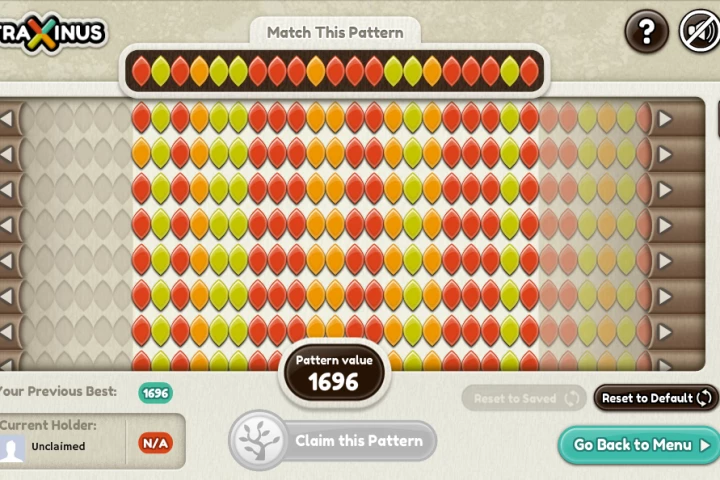 The Fraxinus game is a Facebook app that uses player participation to figure out the structure of a fungus genome, as part of a crowdsourcing effort to combat a disease that threatens Britain and Europe’s ash trees.
 -
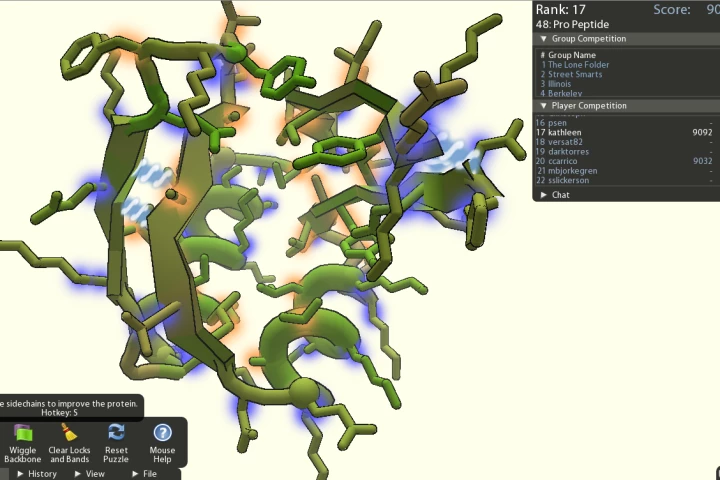 Players of the online game Foldit have helped determine the structure of an enzyme, which could be crucial to stopping the spread of AIDS.