
Filters
-
 The water leaving your washing machine may soon be a lot more eco-friendly, thanks to the anchovy. A filter inspired by the tiny fish could remove microplastics from the outgoing water, keeping them from entering local waterways.
 -
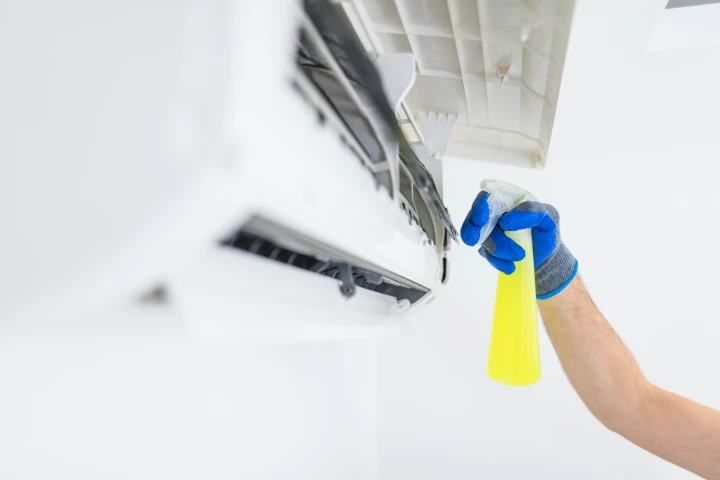 As recent history proves, airborne respiratory infections are not to be trifled with. Now, a new sprayable coating applied to standard air filters might give us a leg up in the war against the pathogens that cause these diseases.
 -
 Although HEPA filters and UV lights are effective at neutralizing bacteria in hospitals, homes and other settings, they do have their drawbacks. A new light-activated material known as LumaFlo, however, is claimed to have them both beat.
 -
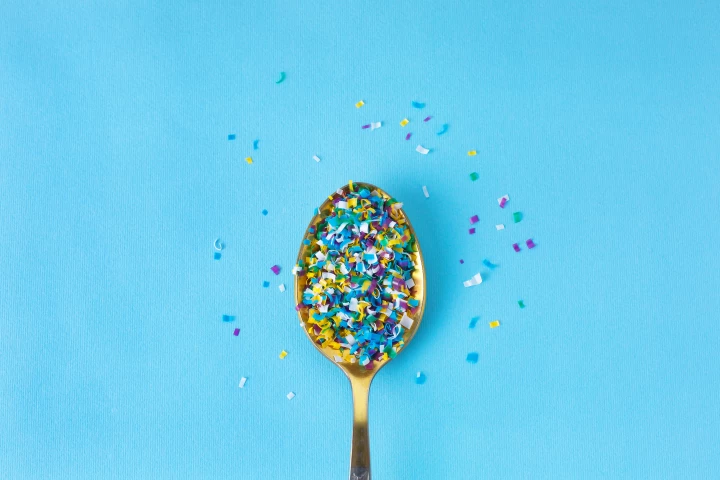 There’s no debate that microplastics present an ever-increasing ecological and health threat, but given their size, they're incredibly hard to remove from water. Now, some scientists believe sound waves and microfluidic technology may hold the key.
 -
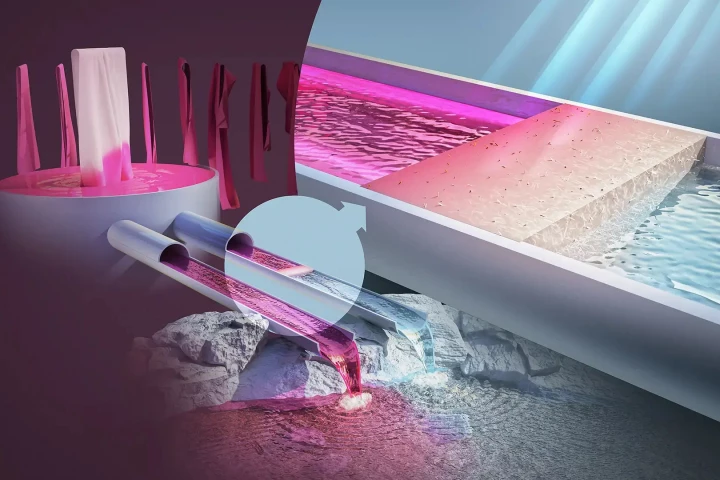 In countries such as India, a great deal of toxic dye waste from the textile industry is released into waterways, harming people and the environment. A new wood-derived filtration media could remove much of that dye from wastewater streams.
 -
 Microplastics are a growing environmental problem, but now researchers in Korea have developed a new water purification system that can filter out these tiny fragments, as well as other pollutants, very quickly and with high efficiency.
 -
 When cooking oil is extracted from peanuts and sunflower seeds, a waste product known as oilseed meal is left behind. New research shows that proteins harvested from that meal can be used to filter heavy metals out of contaminated water.
 -
 While certain types of filtration media are great at removing pathogens from water, they do clog up over time, slowing their rate of filtration. According to new research, a solution to the problem may lie in the use of "living filtration membranes."
 -
 As most of us have noticed over the past couple of years, face masks can sometimes be a hassle – necessary though they are. An experimental new mask, though, automatically becomes easier to breathe through when maximum air filtration isn't required.
 -
 While no one likes seeing plastic waste floating in our waterways, tiny "microplastic" particles are also a threat to the aquatic environment – and to human health. A study now suggests that nanocellulose could be used to remove them from the water.
 -
 Although we've seen several materials that are designed to remove oil from water, many of these become saturated, and have to be discarded. A new reusable membrane gets around this problem, however, by repelling oil instead of just soaking it up.
 -
 In order to reduce greenhouse gas emissions and harvest useful byproducts, scientists are increasingly investigating methods of capturing the CO2 emitted by smokestacks. A new material may make doing so easier and more efficient than ever before.
Load More