
Ethanol
-
 Following on from last year's 34th First Annual Ig Nobel Prize, the 35th First Annual Ig Nobel Prize night took place at Boston University this week, celebrating the joy of science: Real research with some delightfully sideways paths of investigation.
 -
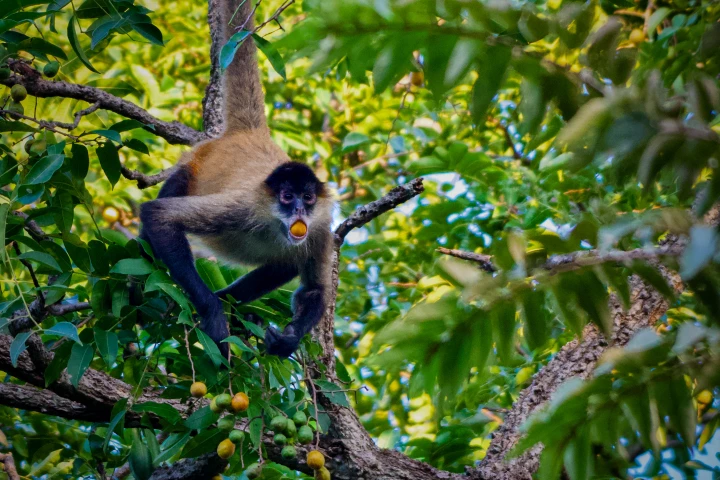 Despite observations of "wasps getting drunk" and "beetles consuming beer," it has been thought that alcohol in the non-human animal world hasn't been deliberate. Ecologists challenge this theory, saying it's far more commonplace and strategic.
 -
 When someone is really intoxicated, they may not be very cooperative when told to blow into a breathalyzer. There could soon be a more passive but just as accurate alternative, though, in the form of an earmuff that measures blood alcohol levels.
 -
 Scientists have known for some time that ethanol can kill cancer cells, but several limitations held it back from becoming broadly used. A team recently developed a new type of ethanol solution that can effectively treat a variety of tumors, offering a new, safe, and cheap form of treatment.
 -
 To survive through winter in the freezing, oxygen-starved waters of northern Europe, crucian carp and goldfish produce their own alcohol internally, removing dangerous chemicals from their bodies and getting nicely sauced along the way. Now, researchers have worked out how they do it.
 -
 The wonder-material graphene may have a new trick to add to its resume: converting carbon dioxide into liquid fuels. A team at Rice University has used nitrogen-doped graphene quantum dots to create ethylene and ethanol, with stability and efficiency close to that of electrocatalysts like copper.
 -
 Indiana University biologists claim to have found a quicker, cheaper, cleaner way to increase production in bioethanol-producing microbes using nitrogen gas. This could replace chemical fertilizers and make the cost of cellulose ethanol competitive with that of corn ethanol and gasoline.
 -
 Researchers have been able to take the cellulose in sawdust and convert it into hydrocarbon chains. These can be used as an additive in gasoline or as building blocks to create plastics, rubber, nylon, insulation foams and other materials normally made from ethylene, propylene and benzene.
 -
 Once Edmonton, Canada's new Waste-to-Biofuels Facility starts converting garbage into methanol and ethanol, it will be the world's first industrial-scale facility to do so. We recently got a guided tour of the place.
 -
 Ethanol may be touted as a more eco-friendly alternative to fossil fuels, but it requires a great deal of plant-based feedstock. Now, however, scientists at Stanford University have devised a method of producing liquid ethanol from carbon monoxide gas.
 -
 Austrian company See Algae Technology will debut its algae production and harvesting process in a biomass plant in Brazil.
 -
 By looking at the digestive system of termites, researchers have discovered a cocktail of enzymes that unlocks access to the sugars stored within the cells of woody biomass that could help make it a more viable source of biofuels, such as ethanol.
Load More