
EPFL
-
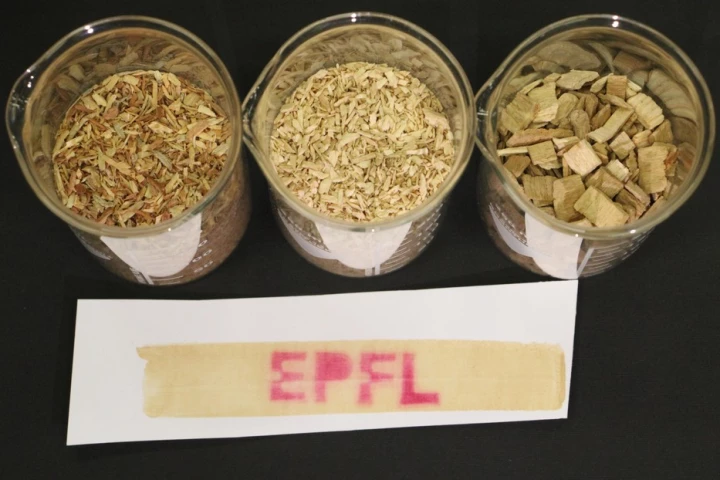 Nowadays, wood is rapidly becoming a valuable material in the renewable tech industry, replacing many harmful materials. Recent research shows that wood-derived compounds can serve as an alternative to the toxic chemicals used in paper receipts.
 -
 Researchers at Switzerland’s EPFL have created a new neurotherapy that vastly and non-invasively improves vision for patients with hemianopia-related vision loss. Previously, patients suffering from the condition simply had to learn to live with it.
 -
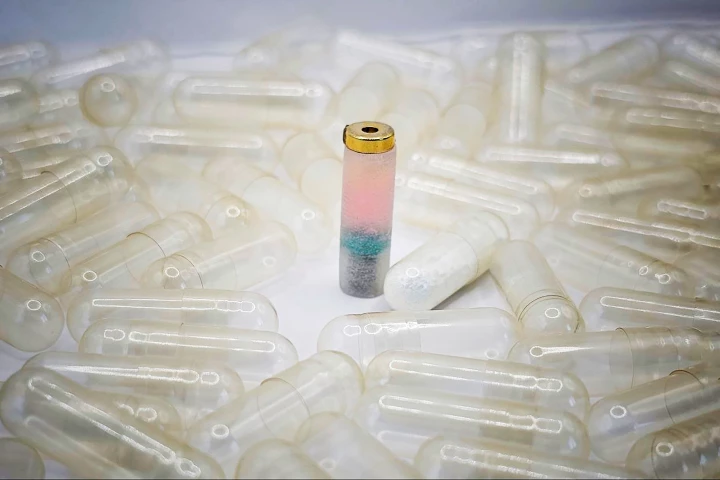 When an ulcer creates an actual perforation in the digestive tract, surgery is currently the only treatment. In the not-too-distant future, however, such holes may be easily plugged with the equivalent of a tiny remote-control swallowable pen.
 -
 For the first time, scientists have used innovative tech to demonstrated that a healthy microbiome needs a consistent flow of the right foods, finally proving that the "hunch" advice of 5 A Day is spot on, as far as your gut bugs are concerned.
 -
 A new study has tested innovative proof-of-concept technology that syncs electrical stimulation with rehabilitation robotics to enable individuals paralyzed after spinal injury to move more naturally. The tech should improve recovery outcomes.
 -
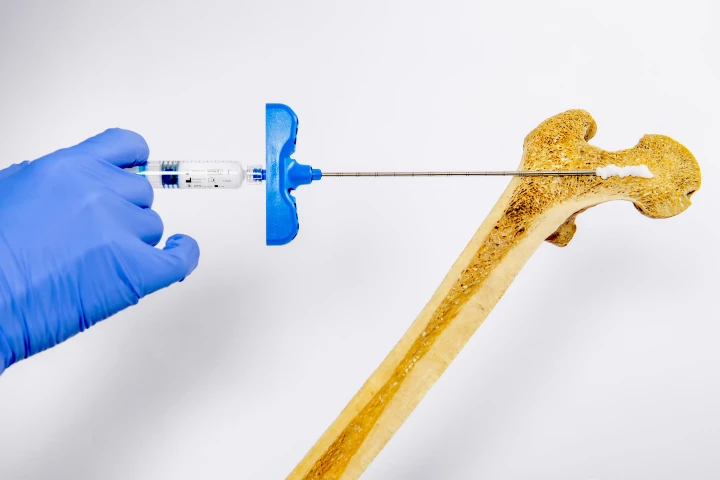 Osteoporosis is typically treated with orally administered drugs, which may take up to a year to have a noticeable effect. A new injectable hydrogel, however, is claimed to drastically boost bone density in as little as two weeks.
 -
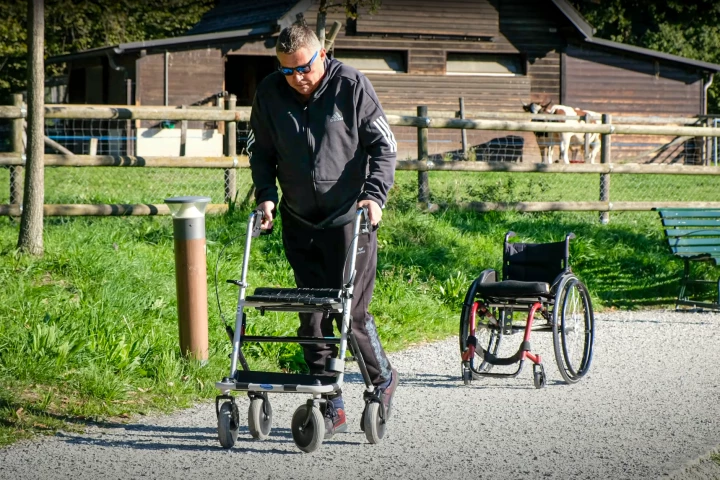 Two patients with spinal injuries have seen improvements in their ability to walk again, thanks to deep brain stimulation. Intriguingly, the therapy targets a region of the brain that normally isn’t associated with motor skills.
 -
 Meteorology may not seem like an eco-unfriendly field, but it does need to clean up its act in at least one way. A new high-tech glider could help it do so, by allowing single-use weather-balloon-carried devices to be reclaimed and reused.
 -
 Combining VR and non-invasive deep-brain electrical stimulation, has improved memory – the kind that remembers where you left the car keys - in healthy people. The approach has great potential as a surgery- and drug-free treatment for cognitive decline
 -
 A new AI-based system allows coral reefs to be 3D-mapped faster and easier than ever before. It could prove integral to saving threatened reefs, by letting scientists study them both onsite and at their computers in their labs.
 -
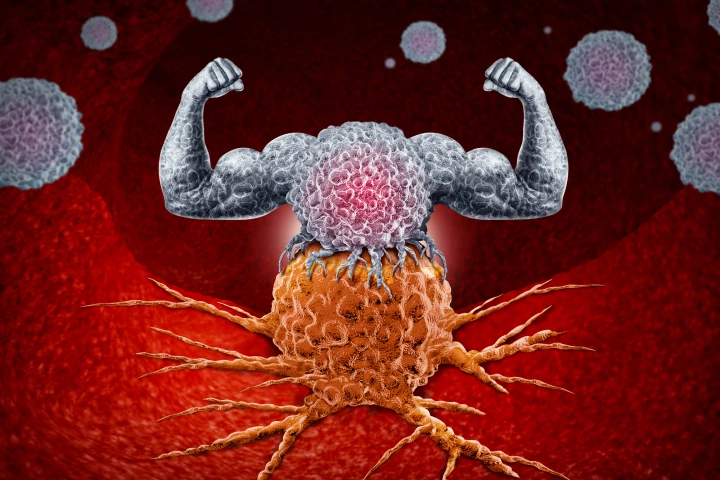 A new form of immunotherapy helps immune cells “armor” themselves against exhaustion by releasing their own medicine to keep them going in the fight against cancer. The new method is faster and cheaper to produce than existing immunotherapies.
 -
 Peptide therapeutics – like insulin – are typically restricted to administration by invasive injection. Now, researchers have reached a "major milestone", creating an oral peptide that could revolutionize how disease treatment is delivered.
Load More