
Electronic skin
-
 Scientists have developed a new electronic “tattoo” that can monitor a patient’s blood pressure continuously. The e-tattoo is made of graphene and can be worn for long periods without getting in the way, allowing for better health data.
 -
 Skin plays a key role in our sense of touch, but its sensitivity is hard to replicate. Now, researchers have developed a new type of electronic skin (e-skin) containing tiny embedded hairs that can precisely perceive touch and the direction it moves.
 -
 Although we've already heard about pressure-sensitive "skins" that could be applied to robotic appendages, scientists have created one for use on human fingers. And while you might wonder why they bothered, it actually has an interesting application.
 -
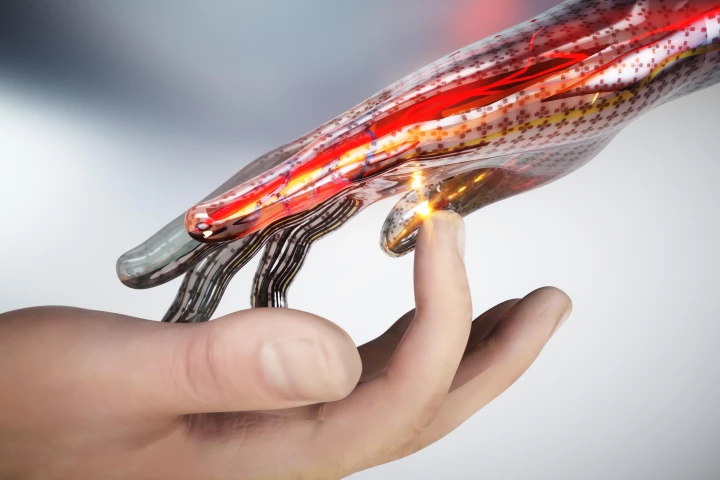 Researchers in Australia have succeeded in developing an artificial skin that responds to painful stimuli, heat and pressure like real skin does, which they see as an important step towards intelligent machines and prosthetics.
 -
 Many of us now keep tabs on how we're doing by wearing health and fitness trackers, which run on batteries. Researchers from Caltech have developed an electronic skin that can be packed with sensors, and that's powered by the sweat of its wearer.
 -
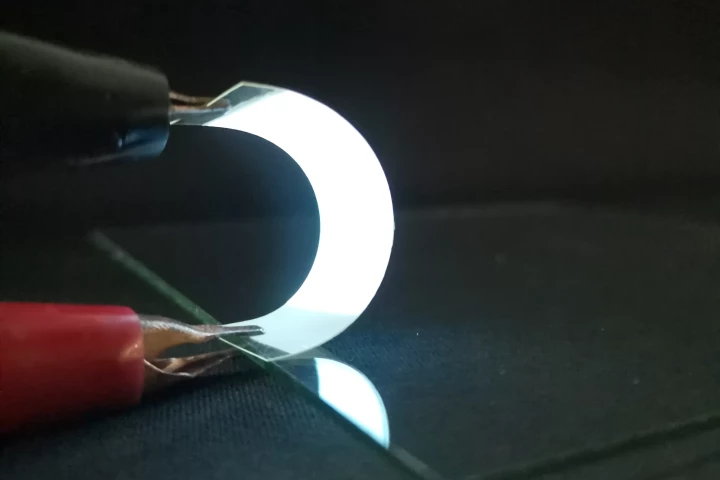 Skin-worn flexible electronics show great promise, in applications ranging from health monitoring to gesture control. The devices could soon also be more eco-friendly, as scientists have recently developed a method of making them from fish scales.
 -
 Medicine, soft robotics and wearable electronics are just a few of the fields that could benefit from a new hydrogel that's applied to the body. The transparent material can sense when it's being touched, bent, heated, or otherwise manipulated.
 -
 A new "artificial skin" simulates a sense of touch via tiny air bladders.
 -
 A newly-developed electronic finger cuff could lead to smarter surgical gloves that perform surgery and scans with a touch.
 -
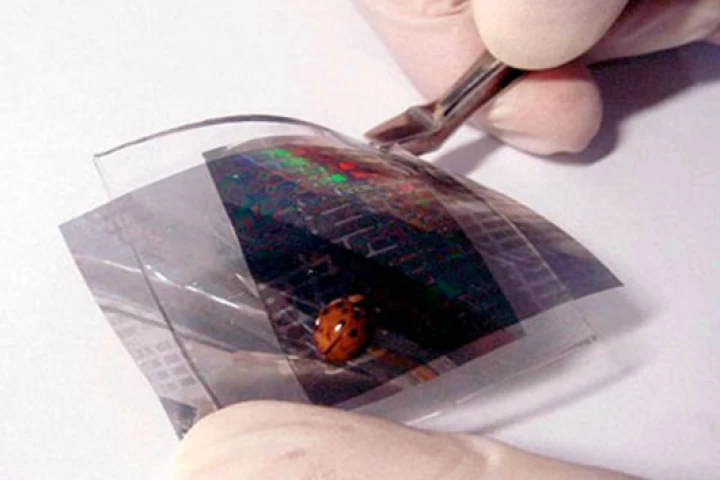 Seoul National University’s Multiscale Biomimetic Systems Laboratory has developed a new biomimetic “electronic skin” that is inexpensive, yet sensitive enough to “feel” a drop of water.
 -
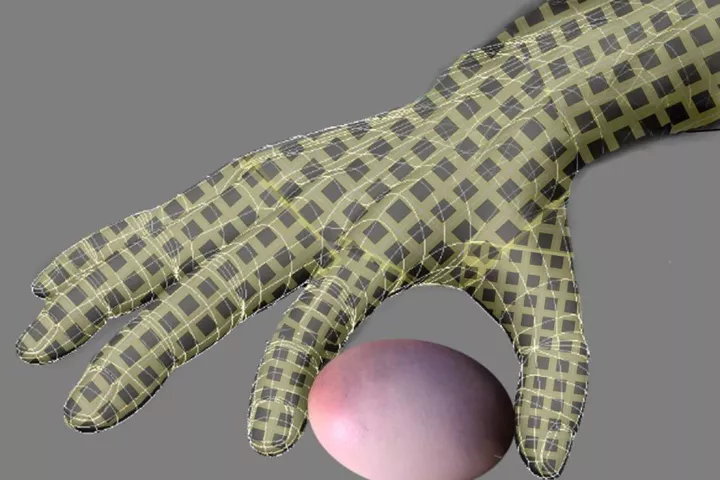 Engineers from the University of California, Berkeley, have created a pressure-sensitive electronic artificial skin from semiconductor nanowires.