
Electronic Nose
-
 A new computer-trained scent model has done better than humans at identifying odors. In analyzing 500,000 potential odor molecules that had never before been synthesized, it also handily did work that would take 70 person-years to complete.
 -
 Science is quickly catching up to the powerful sniffers on dogs with its own range of artificial noses. Case in point: researchers modified E. coli bacteria to spin electrically conductive nanowires capable of detecting disease-related odor molecules.
 -
 While we've heard about a number of "electronic noses," the devices are rarely as sensitive as their natural counterparts. That's why Israeli scientists have taken a new approach, by incorporating a locust antenna into an odor-identifying robot.
 -
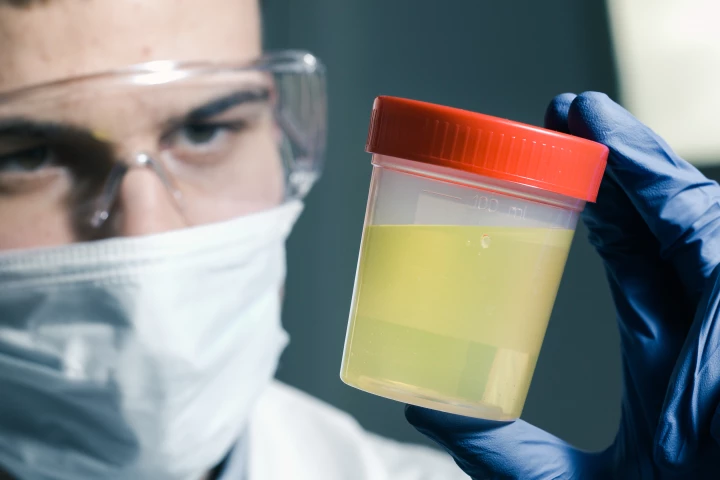 New research has reported successful early tests for an electronic nose system designed to sniff out prostate cancer biomarkers in urine. The technology follows earlier research that found trained sniffer dogs can accurately detect prostate cancer.
 -
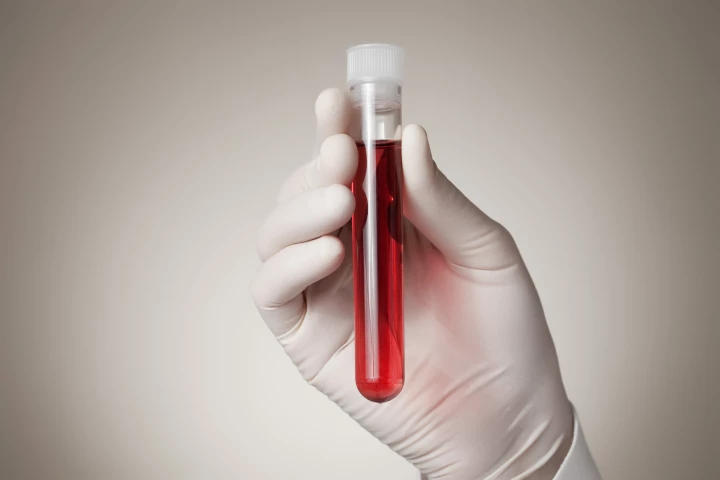 Researchers at the University of Pennsylvania have developed an electronic nose that may be able to sniff out signs of cancer from blood plasma samples. In tests, the device was able to detect a range of cancer types with over 90 percent accuracy.
 -
 A new type of electronic nose developed by an international team of researchers is claimed to up the sensitivity and capabilities of these devices, by pairing them with machine learning to mimic the canine ability to interpret different scents.
 -
 Computers can already boast superhuman sensory abilities in sight and hearing, but smell has been much tougher. Even harder is learning to categorize and differentiate smells, but a new Intel chip that mimics the human brain is well on the way.
 -
 It's important for us to be able to detect odors such as those emitted by spoiled food. However, what if there were a low-cost "electronic nose" that was better at detecting those things, providing us with an earlier warning? That's what's being developed at the Karlsruhe Institute of Technology.
 -
 Typically, colon-related illnesses such as Crohn’s disease and ulcerative colitis are diagnosed via invasive tests. Thanks to a new "electronic nose," however, it may soon be possible to detect such disorders by analyzing a whiff of the patient's feces.
 -
 Current tests for prostate cancer are far from ideal, sometimes resulting in unnecessary biopsies, and even failing to detect some cancers. Now, a team of researchers has turned to a machine it calls the Odoreader, designed to analyze urine samples to provide a non-invasive prostate cancer test.
 -
 The latest scientists to start sniffing around breath analysis as a form of medical diagnosis is a team from the University of Adelaide, who are developing a laser instrument inspired by dogs' noses that can screen samples for signs of disease.
 -
 In an attempt to establish a less invasive method of detecting prostate cancer and preserve the quality of life for many suffers, Finnish researchers have developed an electronic nose capable of sniffing the patient's urine sample to distinguish between prostate cancer and benign disease.
Load More