
Dietary supplements
-
 The US Drug Enforcement Administration will temporarily classify an over-the-counter supplement likened to heroin as a Schedule I substance under the Controlled Substances Act, in an effort to counter an emerging health crisis across the country.
 -
 Peptide may not yet be the 2026 Oxford Word of the Year, but it must surely be in the running. For those of us not immersed in this new form of chemical pop culture, what the heck are they, and what should you be aware of if you're peptide-curious?
 -
 A supplement best known for helping some people get a better night's sleep may also have a surprising painkilling effect in those with a range of chronic conditions. This could help reduce the use of pain medications that come with more risks.
 -
 Melatonin – a go-to sleep aid for kids and adults alike in many households in the US – continues to create media buzz, with conflicting messages that leave people uncertain about its safety. A pediatrician and sleep medicine doctor weighs in.
 -
 If weak bones increase the risk of fractures, surely taking more calcium and vitamin D should help keep bones strong. But a major new study suggests the reality may be far more uncertain.
 -
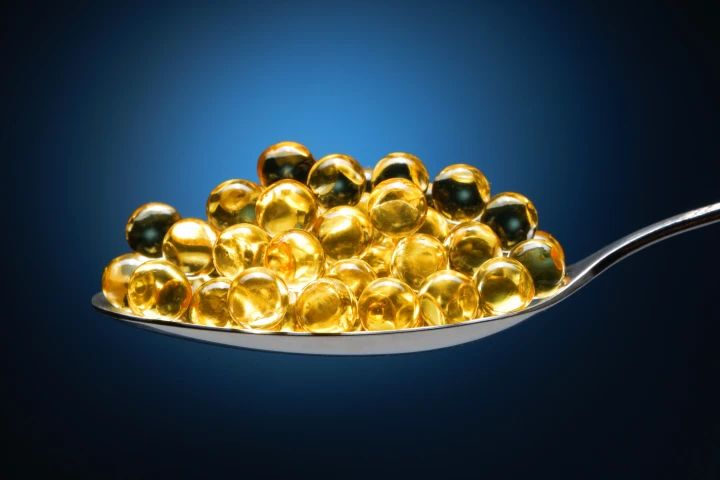 People taking fish-oil supplements in an effort to shield their brain from Alzheimer's disease might be better off investing that money in their diet, with a two-year study finding that omega-3 pills offer no protection from cognitive decline.
 -
 People with Alzheimer’s disease who took the over-the-counter supplement glucosamine were 25% more likely to die within five years than those who didn’t. This new study investigates its role in speeding up cognitive decline.
 -
 Vitamin C may offer meaningful protection against the invisible but pervasive threat of fine-particle air pollution. The common antioxidant significantly reduced lung inflammation and cellular damage caused by everyday, low-level exposure to PM2.5.
 -
 A large study has found that calcium supplements, long recommended for bone health, particularly in older women, don’t increase dementia risk, offering reassurance for the millions who take them to protect against osteoporosis.
 -
 A headline-grabbing study on apple cider vinegar has been pulled from the record, striking a blow to the science and wellness worlds. The research, which claimed that the tonic triggered massive weight loss, was found to be riddled with errors.
 -
 A new study reveals that people's beliefs in the health benefits of supplements might not come from science, but from clever labelling. Phrases like “boosts brain function” can make people believe a supplement can prevent conditions like dementia.
 -
 From St John’s wort to vitamin D, the range of over-the-counter supplements for mental health wellbeing continues to grow. Now, scientists have looked at 64 products reviewed in hundreds of studies to shed light on how useful they are for depression.
Load More