
Detector
-
 Using nanoparticles, researchers have created a sensor that selectively detects levels of cortisol, a well-known stress biomarker. Their cheap and easily reproducible device brings us a step closer to stress testing from the comfort of home.
 -
 A novel device can detect the COVID-19 virus in one minute using just a couple of breaths of exhaled air. The device could revolutionize the testing process, especially at large-scale social gatherings like concerts or sporting events.
 -
 The first dark matter detector in the Southern Hemisphere has been officially opened. The Stawell Underground Physics Laboratory (SUPL) is built in a disused gold mine in Australia, giving it a unique position on the globe for detecting dark matter.
 -
 The world’s most sensitive dark matter detector is ready to tackle one of the most perplexing mysteries of the universe. Over 50 times more sensitive than others, LUX-ZEPLIN lurks quietly a mile underground, waiting for these hypothetical particles.
 -
 Borexino, a huge underground particle detector in Italy, has picked up a never-before-seen type of neutrino coming from the Sun. These neutrinos confirm a 90-year-old hypothesis and complete our picture of the fusion cycle of the Sun and other stars.
 -
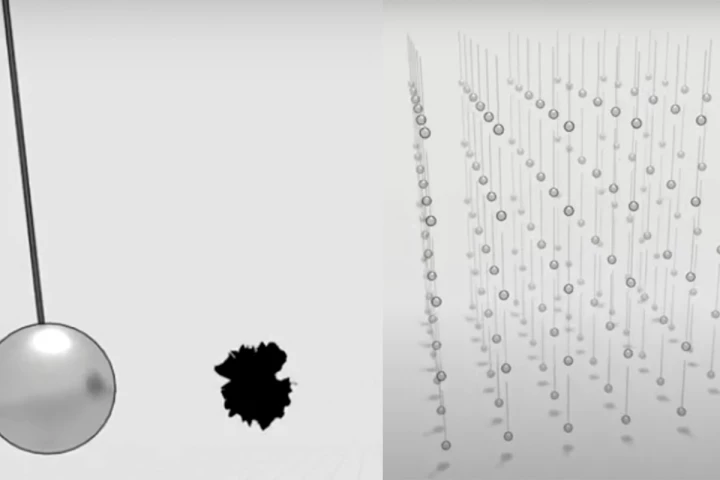 Scientists have so far been unable to detect dark matter. But a new detector design, using an array of billions of tiny pendulums, could finally break the silence by searching for the effects of dark matter’s incredibly strong gravitational pull.
 -
 Scientists at North Carolina State University have developed a technique that could allow bricks and other common building materials to act as "cameras" that reveal the location and distribution of radioactive materials once in their vicinity.
 -
 Cosmic rays are raining down over Earth every day, but you’d never know unless you had the right tools. Those tools mostly take the form of bulky, expensive lab equipment, but thanks to an MIT team, you can now build your own detector for US$100 – small enough to take on a plane or the subway.
 -
 Researchers have developed a lens that operates at terahertz frequencies that are not only simple and inexpensive, but are claimed to produce near-flawless images which could vastly improve biomedical imaging as well as biological and explosive security scanning.
 -
 The Institute of Food Research in Norwich and Oxford Instruments have developed a portable detector that can differentiate between horse meat and beef in about 10 minutes, yet is inexpensive and simple to use.
 -
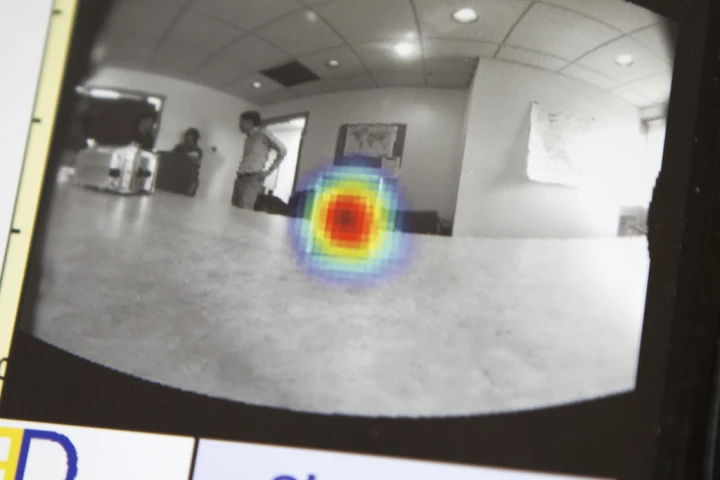 Researchers at the University of Michigan have developed a faster, cheaper way for nuclear power plants to detect and map dangerous hot spots and leaky fuel rods using a camera that maps radiation in real time.
 -
 Transuranic element 113 has been confirmed nine years after first being detected.
Load More