
Cryptography
-
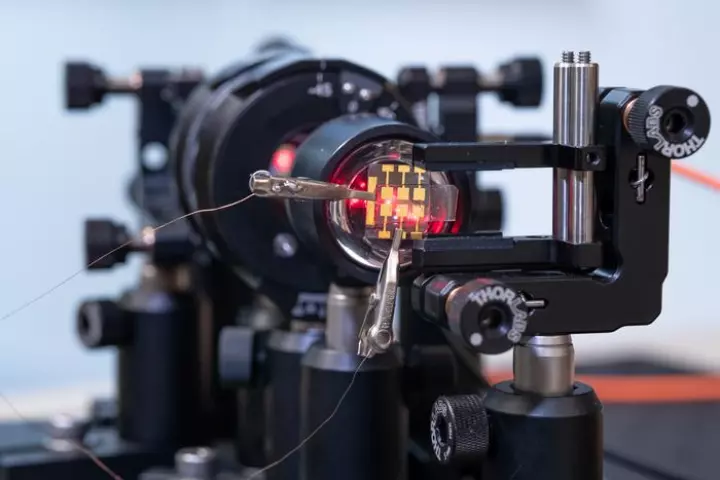 Random numbers are critical to encryption algorithms, but they're nigh-on impossible for computers to generate. Now, Swedish researchers say they've created a new, super-secure quantum random number generator using cheap perovskite LEDs.
 -
 An academic from the University of Bristol in the UK has reportedly cracked the codex behind the so-called Voynich code. The language used in the 200-page manuscript has remained a mystery since it came to light more than a century ago.
 -
 Two computer scientists from the University of Alberta claim to have created a series of algorithms that can decipher unknown alphabetic scripts, and to test their system they have targeted the infamously impenetrable Voynich manuscript.
 -
 DNA security is a looming problem that scientists and researchers are only just starting to grapple with. A team at Stanford has now developed a way to "cloak" irrelevant genomic information, allowing scientists to access key data without revealing an individual's broader genome sequence.
 -
 Chinese scientists claim to have launched the world's first quantum communications satellite with which they intend to experiment with quantum communication and teleportation from space, in the hope of one day producing an entire global network of quantum communication systems.
 -
 Researchers have managed to entangle three photons and add a 3-D corkscrew motion that effectively allows multiple recipients to simultaneously receive information securely encoded in the one transmission