
Colony Collapse Disorder
-
 It is believed that parasitic varroa mites may be one of the main causes of colony collapse disorder, which is decimating honeybee colonies. There may be hope, however, as a new chemical has been found to eradicate the mites without harming the bees.
 -
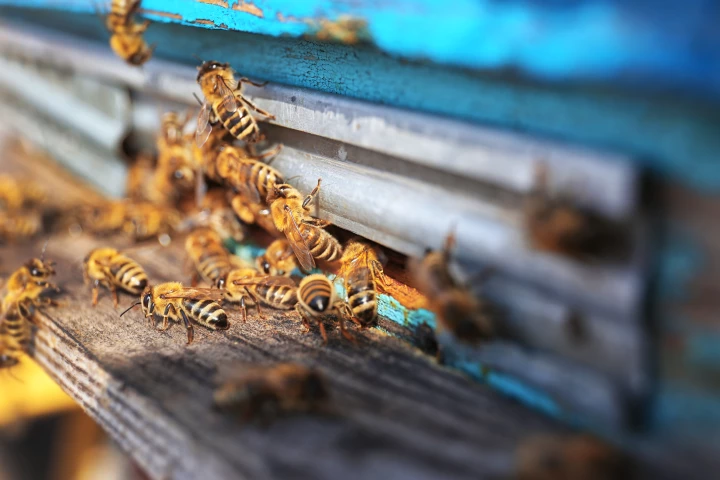 Although the causes of colony collapse disorder aren't entirely understood, pyrethroid pesticides appear to be one of the main culprits. Thanks to a new technique, it should now be easier to detect these chemicals in the honey of affected beehives.
 -
 As factors such as habitat loss decrease the number of flowering plants in the environment, beekeepers are starting to augment their insects' diet with artificial feeds. It now turns out that microalgae may be a particularly good form of "bee chow."
 -
 Neonicotinoid-type crop pesticides cause bees to lose mobility and ultimately starve, as they're unable to get out and forage for food. Fortunately for domesticated bees at least, there may be a solution – light therapy.
 -
 A collective of eco-technologists has designed open-source beehives to help encourage bee populations and fight Colony Collapse Disorder. Sensors track the movements, moods and geo-location of the bees.