
Chip
-
 A tiny chip with a unique surface can accurately detect the blood biomarkers of a heart attack within minutes, a fraction of the time taken by current methods. The researchers behind the device see it being used as an at-home diagnostic tool.
 -
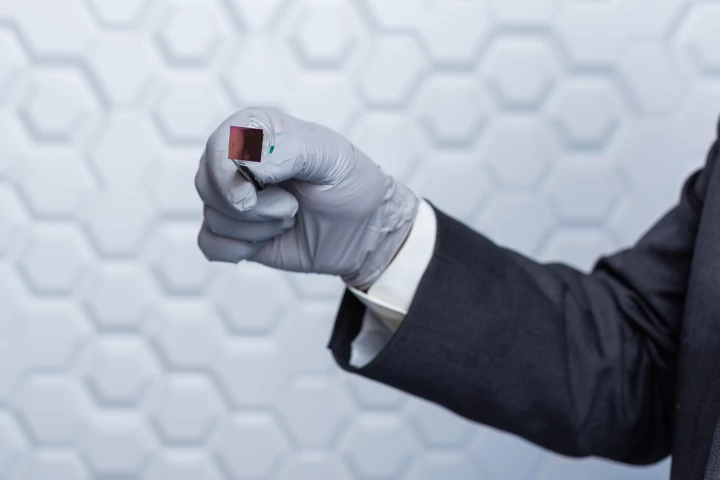 A team of researchershas advanced development of a nanochip device that can reprogram cells in the body to become new blood vessels and nerve cells. It could be used to repair brain damage resulting from a stroke or nerve damage caused by diabetes.
 -
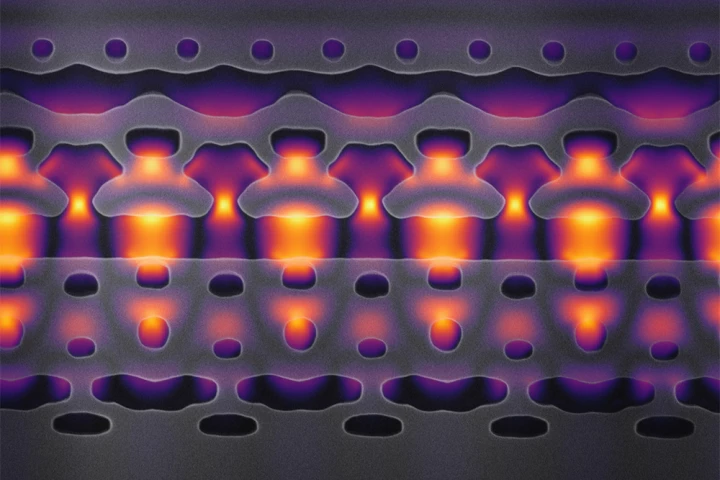 Particle accelerators could be incredibly useful for medicine – if they weren’t so huge. Now, scientists at Stanford have managed to shrink the tech down to fit on a computer chip, which could lead to more precise cancer radiation therapies.
 -
 With little more than a standard inkjet printer, some silicone, and a sheet of polymer film, Stanford researchers have created a reusable diagnostic "lab on a chip" that costs just 1 cent to make. This new technology could help vastly improve disease detection worldwide.
 -
 A new graphene-based sensor has been developed that can quickly and easily detect DNA mutations associated with a range of cancers and other life-threatening illnesses. It is envisaged that the sensor will eventually be implantable, and communicate data wirelessly to mobile devices in real-time.
 -
 In what is being dubbed as a world first, a quadriplegic man has been given the ability to move his hand and fingers using a device implanted in his brain. Using his own thoughts, the device, dubbed "Neurobridge", effectively bypasses his damaged spinal cord to directly operate his muscles.
 -
 With the development of an “integrated chemical chip,” a doctoral student in Organic Electronics at Sweden’s Linköping University has created the basis for an entirely new circuit technology based on the transmission of ions and molecules.
 -
 UCL researchers have developed the first purely silicon oxide-based "ReRam" memory chip that is faster and requires less energy and space than current memory technology such as Flash memory.
 -
 A team of scientists at MIT have created a computer chip that mimics the activity of neurons in the brain.
 -
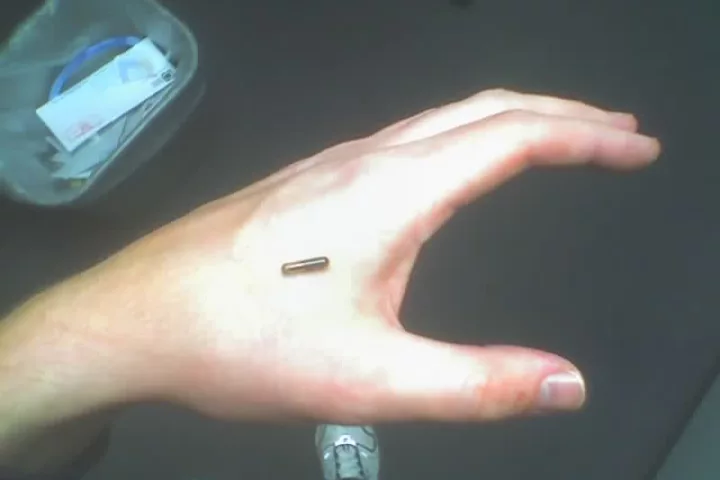 A UK researcher has become the first person in the world to become infected by a computer virus.
 -
 Researchers in the U.S. believe the secret to cooling the electronics in a hybrid engine may lie in understanding precisely how fluid boils in tiny ‘microchannels’.