
Carnegie Mellon University
-
 Using Google might spark your creativity, or it might stifle it, but this depends on the circumstances, according to a new study. We know the internet isn’t going anywhere, but we may need to hold on to our humanity to use technology more effectively.
 -
 Whether we've watched athletes do it or experienced it ourselves, 'choking' in a high-stakes moment comes down to more than composure. For the first time, scientists have uncovered a set of neurons that fail to do their job when the payoff is greatest.
 -
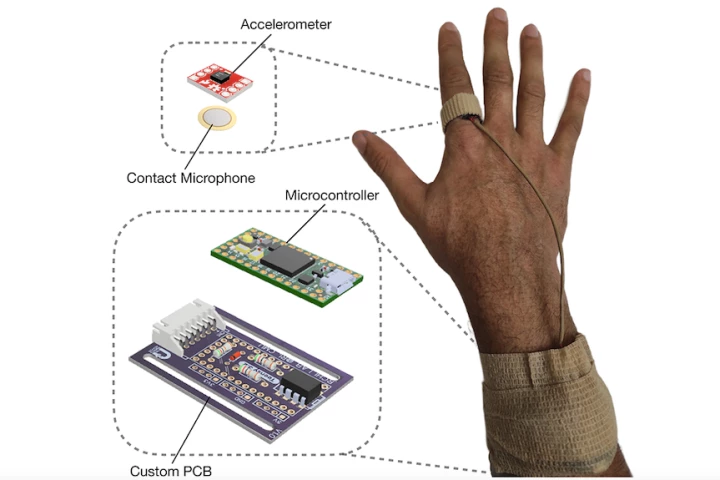 While it's important for dermatologists to know how itchy a person's skin is, patients' self-assessments are quite subjective. A new wearable sensor could help, by objectively measuring the frequency and intensity of its user's scratching sessions.
 -
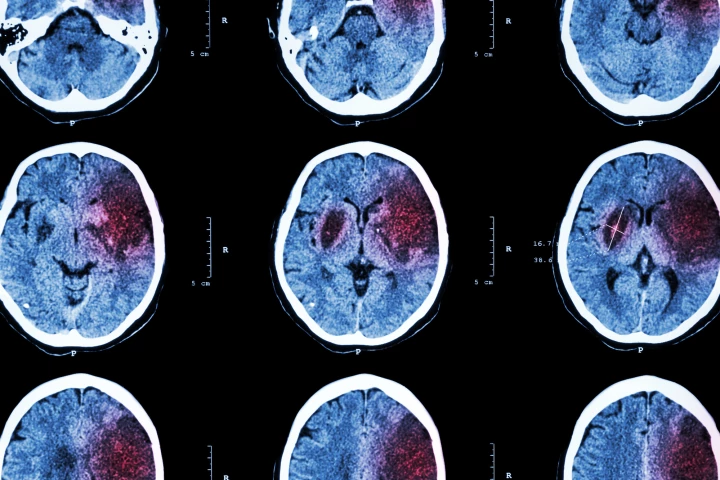 Stroke can be tricky to diagnose as patients don’t always present with classic symptoms, and other conditions can mimic it. Researchers have now developed a machine-learning model that accurately predicts stroke and may make diagnosis easier.
 -
 Using drones for aerial seeding may seem like a good idea, but … the seeds could easily just blow away if left on the surface of the soil. A bio-inspired seed carrier has been designed to help, by corkscrewing its seed load down into the ground.
 -
 For decades surgeons have been using deep brain stimulation to treat severe Parkinson's disease. Now researchers have found a way to deliver it more precisely, resulting in the benefits lasting four times longer in animal models.
 -
 Typically, motion capture systems are confined to one studio containing multiple cameras, and they require subjects to wear sensor-equipped body suits. A new setup, however, is based around a single chest-mounted camera.
 -
 Last year, NASA awarded a contract to Carnegie Mellon University (CMU) and its spinoff Astrobotic to build an autonomous Moon rover as a technology demonstrator and water prospector. The rover has now completed its preliminary design review.
 -
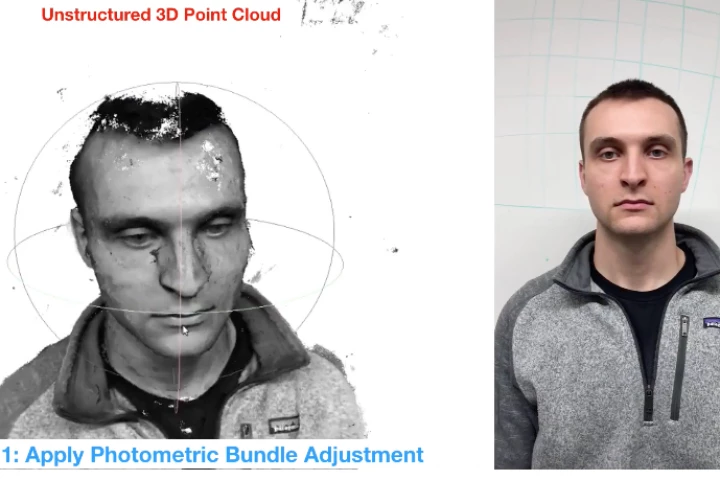 Ordinarily, if you want to create a lifelike 3D digital model of someone's face, a 3D scanner and/or multiple cameras are required. Now, however, scientists from Carnegie Mellon University have created a system that lets a smartphone do the job.
 -
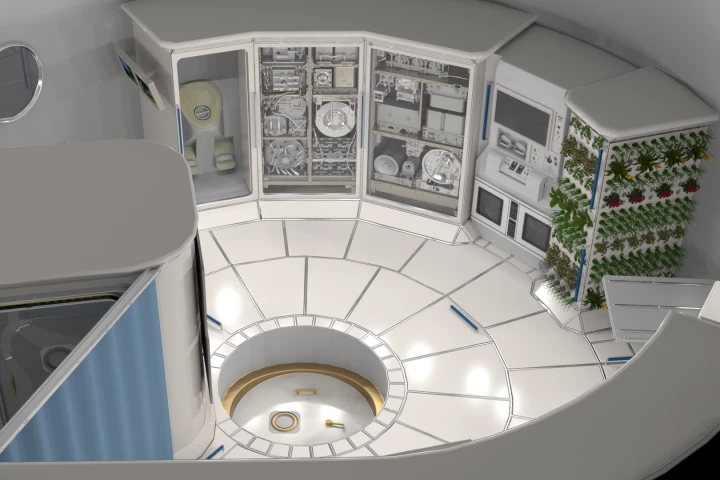 Researchers at Carnegie Mellon University are working on a smart space habitat for deep space missions that's monitored by artificial intelligence.
 -
 The distant scientific objective of 3D printed human organs has now grown a little bit closer, with researchers at Carnegie Mellon University reporting a breakthrough that enabled the printing of full-scale heart components that in some cases functioned similarly to the real thing.
 -
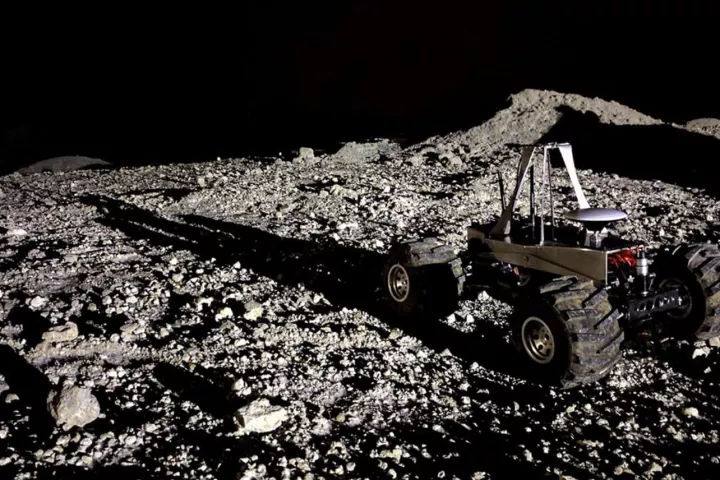 NASA has awarded Carnegie Mellon University and Astrobotic a US$5.6 million contract to build a new suitcase-sized robotic lunar rover that could land on the Moon as soon as 2021. The 24-lb MoonRanger rover is designed to operate autonomously on week-long missions within 0.6 mi of its lander.
Load More