
Carbon Sequestration
-
 Canadian decarbonization firm Exterra is tackling a critical environmental issue that's not talked about often: cleaning up the mineral waste left behind in asbestos mines after decades of extraction.
 -
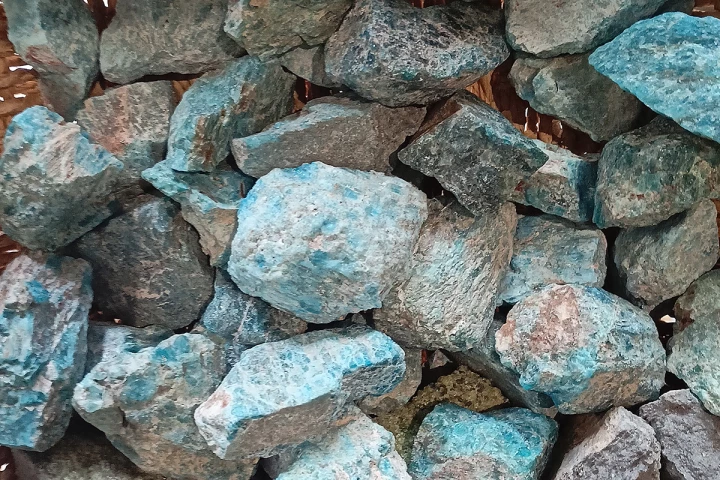 Stanford researchers have found a way to activate commonly found rocks so they capture CO2 out of the air at room temperature. The team believes it could be relatively inexpensive, and can easily scale to help sort our emissions problem worldwide.
 -
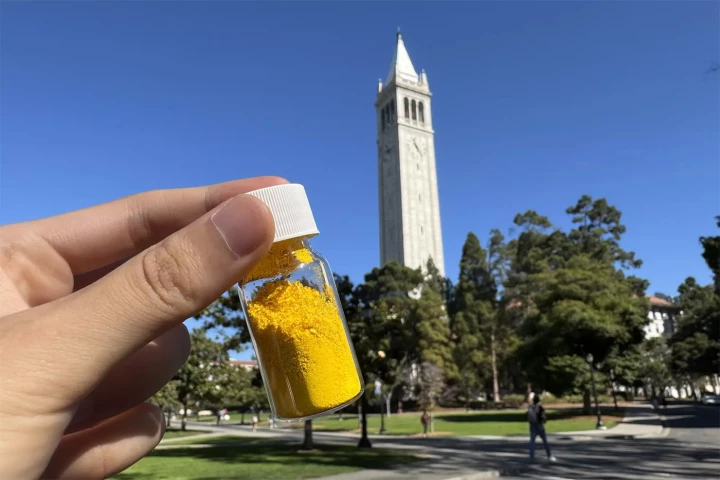 Researchers at UC Berkeley have invented a material in powder form that adsorbs carbon dioxide with astonishing performance. Just 200 g (a little under 0.5 lb) can suck up 44 lb (20 kg) of CO2, the same as a tree does in a year.
 -
 A 3,775-year-old log discovery has lent credence to the idea of burying wood to sequester the carbon it contains. Known as a wood vault, the concept helps keep CO2 out of the atmosphere while allowing the soil to be used for crops and other purposes.
 -
 A technique originally developed to combat acid rain has the potential to pull an enormous amount of carbon dioxide out of the atmosphere – while helping to deacidify oceans, restore rivers and boost biodiversity and fish populations.
 -
 Tulip trees have been around for millions of years, but a new analysis of their structure has revealed a previously unknown type of wood. The finding could explain why the trees are great at sequestering carbon and help our efforts to do the same.
 -
 The application of crushed rock to farmers' fields may not only reduce greenhouse gases, it could also boost crop yields by up to 16%. These are the findings of a new study conducted by scientists from the University of Sheffield.
 -
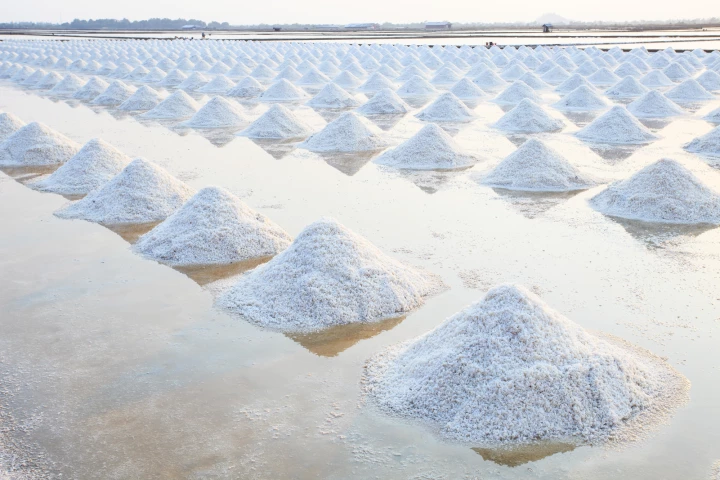 Could salt, one of the oldest preservatives around, help keep carbon deep underground for thousands of years? Researchers believe it can, and that it might offer a way forward in containing a gas that's a major contributor to climate change.
 -
 While crops do sequester some atmospheric carbon dioxide (CO2) via photosynthesis, they could always use a bit of help. California startup Andes is aiming to provide that help, by putting carbon-capturing microbes in the soil of farmers' fields.
 -
 Denmark is moving forward with Project Greensands, an initiative that will take huge quantities of captured carbon out to an oil rig in the North Sea, and pump it down to sequester it in the sandstone formations that once held oil and gas.
 -
 The US state of Wyoming is set to welcome the world’s largest direct air capture plant for the removal of atmospheric carbon dioxide. Called Project Bison, the facility is expected to suck up five million tons of CO2 each year by 2030.
 -
 Swiss outfit Climeworks has today broken ground on its second direct air capture plant in Iceland, and one that marks significant progress in its ambitions of removing gigatons of CO2 from the atmosphere each year by 2050.
Load More