
Carbon Dioxide
-
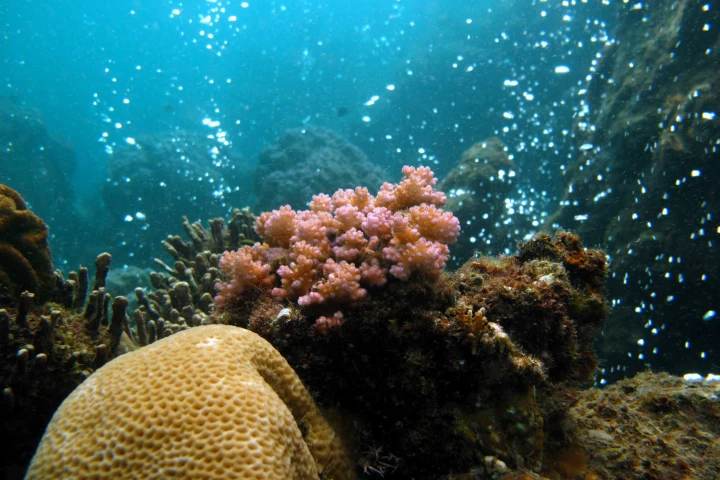 On a remote reef, endless streams of bubbles rise from cracks in the seabed into the shallow water, fed by an underground volcanic system. For scientists, this phenomenon has become a kind of crystal ball, revealing the changes that await marine life.
 -
 A climate report projects that the world's carbon emissions are on track to hit an all-time high this year, despite major advances in green tech and adoption of measures to curb pollution from the use of fossil fuels.
 -
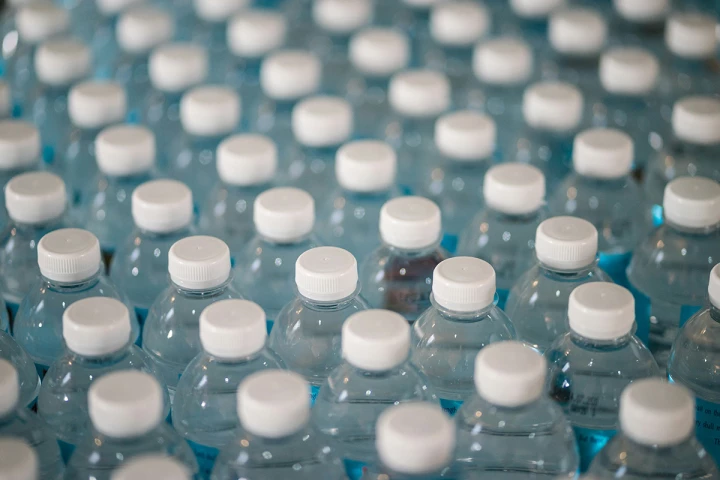 Scientists in China have devised a way to capture carbon dioxide stored in seawater, and convert it into biodegradable plastic precursors. This approach could reduce the acidification effect of CO2 emissions in marine ecosystems, with an added bonus.
 -
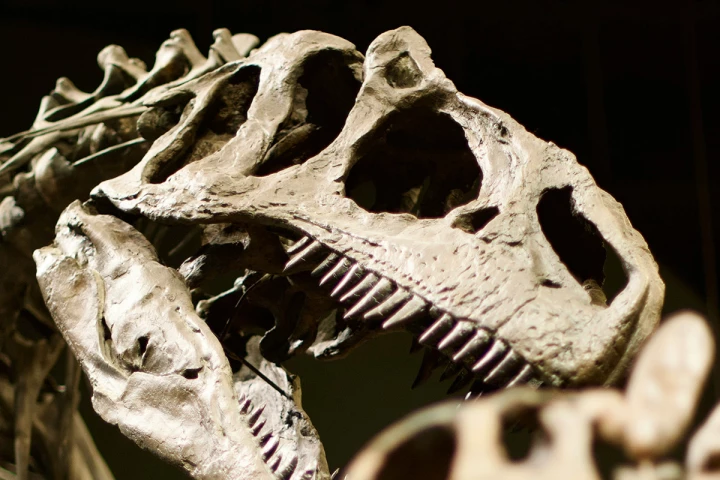 Researchers in Germany found fossilized dinosaur teeth can reveal what the air was like in prehistoric times. Humans might have found it hard to breathe if we were around back then, because CO2 levels were four times as high as the preindustrial era.
 -
 Canadian decarbonization firm Exterra is tackling a critical environmental issue that's not talked about often: cleaning up the mineral waste left behind in asbestos mines after decades of extraction.
 -
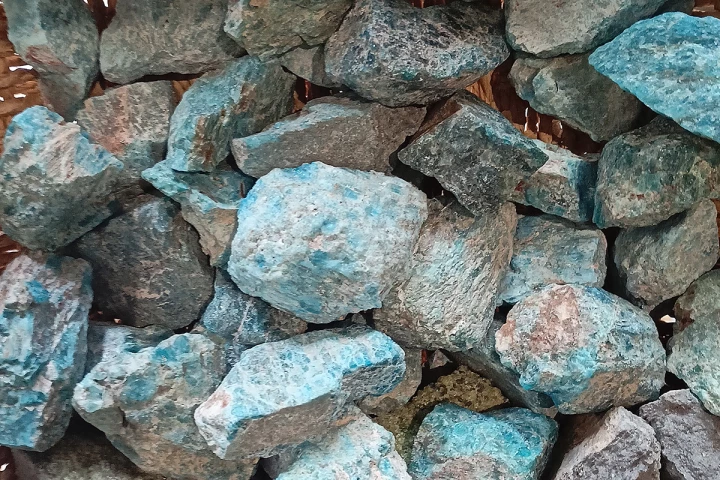 Stanford researchers have found a way to activate commonly found rocks so they capture CO2 out of the air at room temperature. The team believes it could be relatively inexpensive, and can easily scale to help sort our emissions problem worldwide.
 -
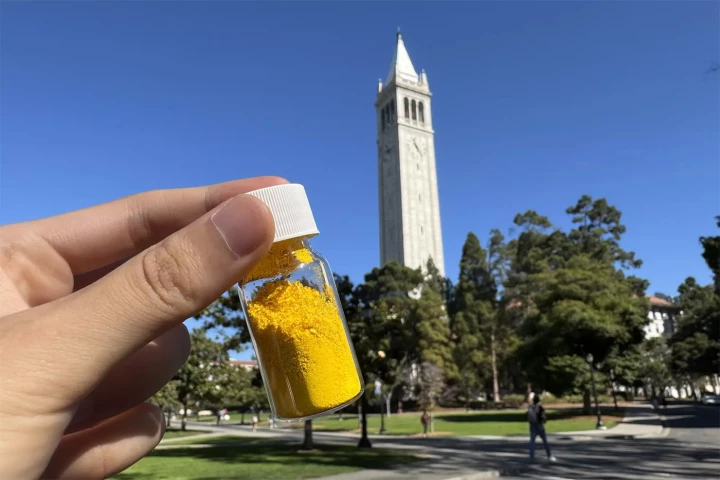 Researchers at UC Berkeley have invented a material in powder form that adsorbs carbon dioxide with astonishing performance. Just 200 g (a little under 0.5 lb) can suck up 44 lb (20 kg) of CO2, the same as a tree does in a year.
 -
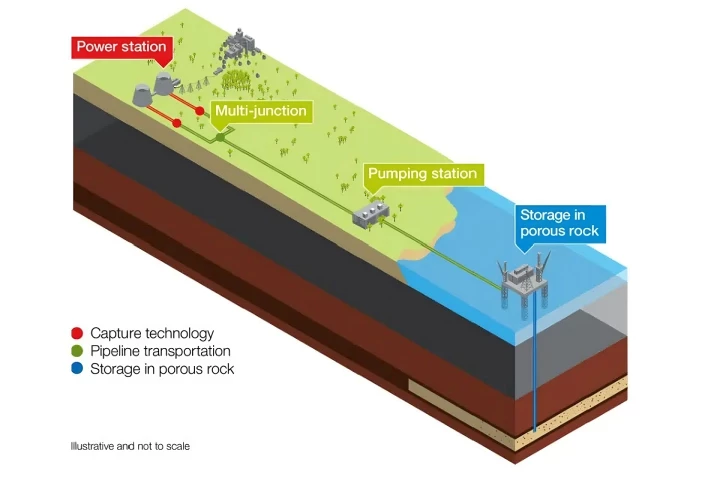 ExxonMobil just signed a lease for 271,068 acres of undersea land off the coast of Galveston, Texas to capture and permanently inject carbon emissions into the underwater rock bed, making it what will be the largest CO2 dump in the United States.
 -
 A technique originally developed to combat acid rain has the potential to pull an enormous amount of carbon dioxide out of the atmosphere – while helping to deacidify oceans, restore rivers and boost biodiversity and fish populations.
 -
 Tulip trees have been around for millions of years, but a new analysis of their structure has revealed a previously unknown type of wood. The finding could explain why the trees are great at sequestering carbon and help our efforts to do the same.
 -
 Carbon dioxide is key to how long airborne viruses hang around in the air and, therefore, their likelihood of spreading. Opening a window may be a more scientific way to avoid the spread of respiratory viruses than first anticipated.
 -
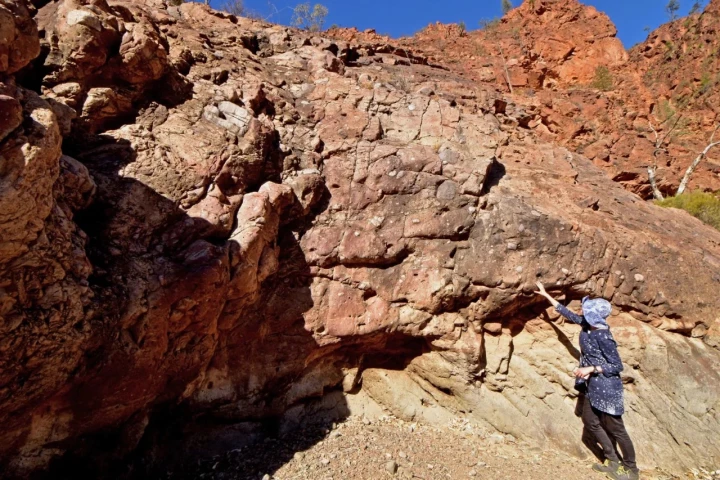 Geologists have shed new light on Earth's built-in thermostat. They say shifting tectonic plates that slowed volcanic activity is likely what caused the extreme ice age that turned the planet into a giant snowball over 700 million years ago.
Load More