
Canada
-
 Canadian decarbonization firm Exterra is tackling a critical environmental issue that's not talked about often: cleaning up the mineral waste left behind in asbestos mines after decades of extraction.
 -
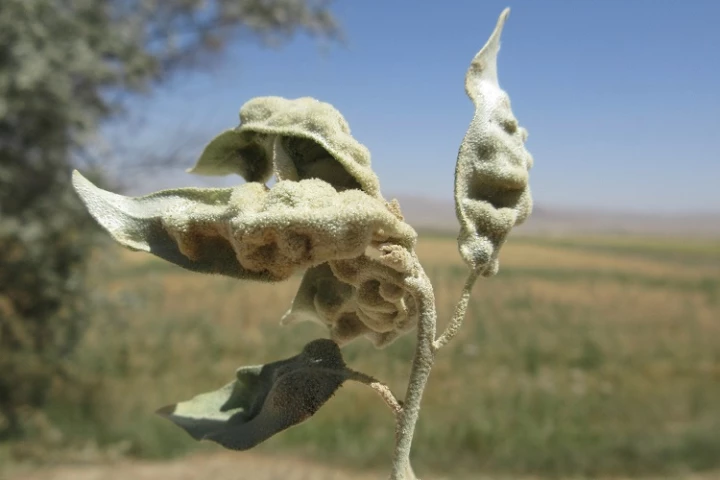 It can be challenging, trying to selectively kill off an invasive plant that grows in amongst non-target native species. A new initiative is aiming to do just that, however, by introducing a weed-eating mite into the Canadian environment.
 -
 A gold miner in Canada has discovered what may be the most complete wolf pup mummy ever found. Locked in the permafrost for 57,000 years, the pup is so well preserved that scientists can learn a lot about her diet, genetics, life and death.
 -
 Four terminally ill cancer patients in Canada have been granted a special exemption to legally possess and consume psilocybin. They are the first in the country, outside a clinical trial, allowed to do so since the psychedelic was made illegal in 1974.
 -
 Researchers in Canada have diagnosed an advanced, malignant bone cancer – in a dinosaur. Using human diagnostic techniques, a team examined a large growth on the animal’s leg bone, marking the first time such a diagnosis has been made for a dinosaur.
 -
 Joining a growing contingent of lawmakers around the world, Canada's government is making moves to reduce plastic waste with bans in the pipeline concerning a range of single-use items.
 -
 The CHIME telescope has picked up 13 unexplained radio signals coming from beyond the Milky Way. These fast radio bursts are part of one of the strangest mysteries of modern astronomy, but the new detections could help unlock their source, thanks to a rare one that seems to be repeating.
 -
 As Canada becomes only the second country in the world to legalize recreational marijuana, the world is closely watching. The country will offer the grandest social experiment we have ever seen in drug legalization and may help answer some questions that have been divisively debated for decades.
 -
 Black holes can be anywhere from a few times the mass of the Sun up to millions of times that, but some even bigger than that. A new study of data gathered by NASA’s Chandra X-ray telescope has found these so-called “ultramassive” black holes may be larger and more common than we thought.
 -
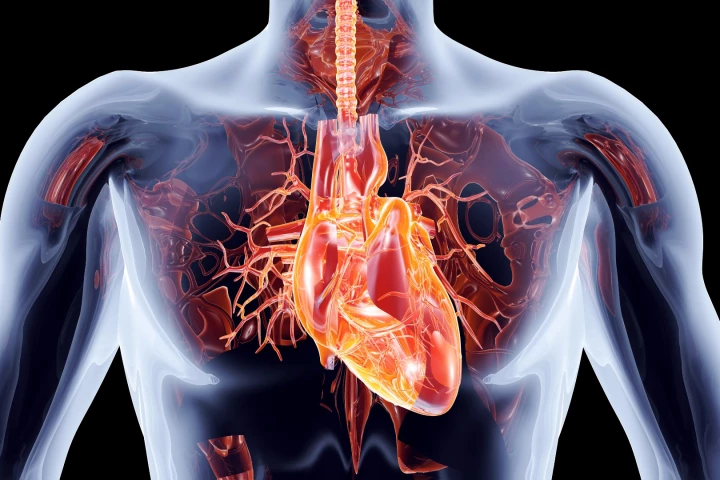 When it needs to pump more blood, the heart can grow in response to exercise and pregnancy, but after a heart attack, swelling can lead to further complications. Now scientists have found that a protein called cardiotrophin 1 (CT1) can trick the heart into the good kind of growth and reduce the bad.
 -
 Canadian palaeontologists have described one of the most intact fossils ever found, which almost looks like it could wake up any minute. The specimen’s skin and stomach contents have been preserved, giving new clues to its diet and camouflage.
 -
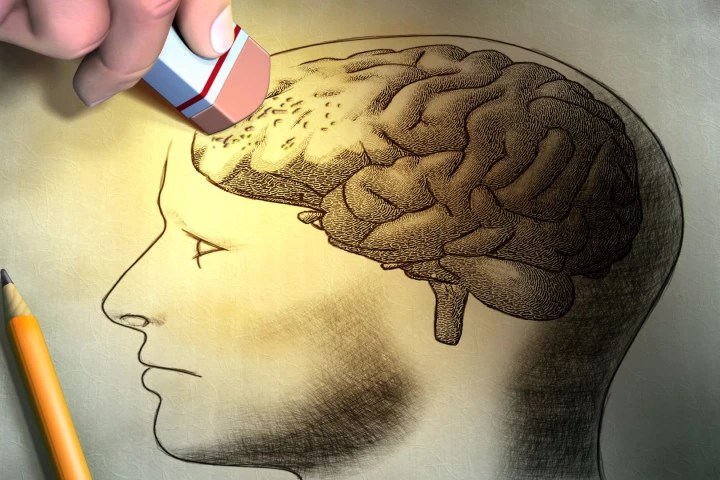 If files on your computer suddenly vanished, you’d be in line for a new one pretty quickly, and yet that’s what our brains do all the time. Forgetting is a frustrating experience, but a new paper suggests that when it comes to human memory, forgetting things may be just as important as remembering.
Load More