
Burns
-
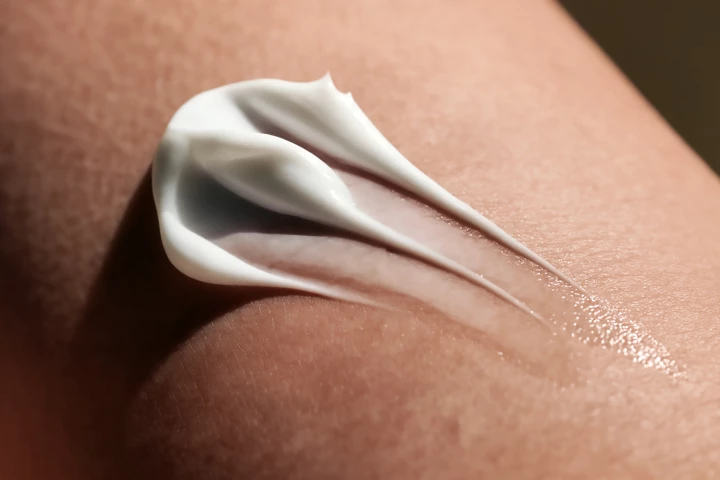 Not all scar moisturizers are created equal. A new study shows that some of the cheapest, most basic creams outperform expensive, heavily marketed products, with one budget option topping the list for moisture retention and barrier repair.
 -
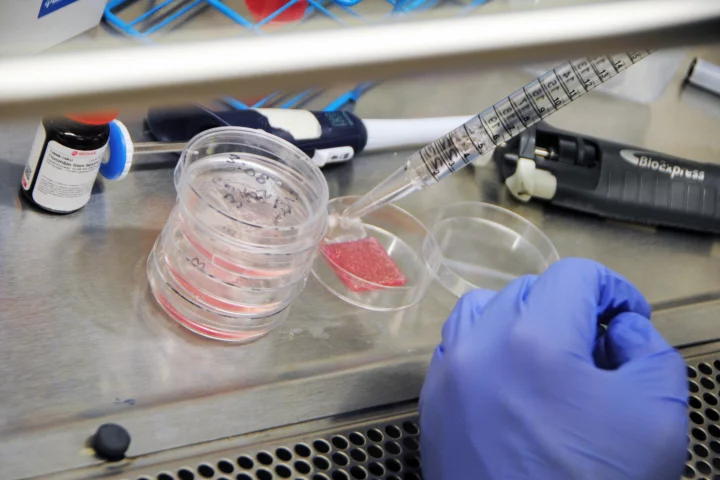 For the first time, scientists have combined six primary skin cell types with hydrogels to ‘print’ a thick, multilayered skin that, when transplanted, successfully integrated with surrounding tissue to heal wounds more rapidly and with less scarring.
 -
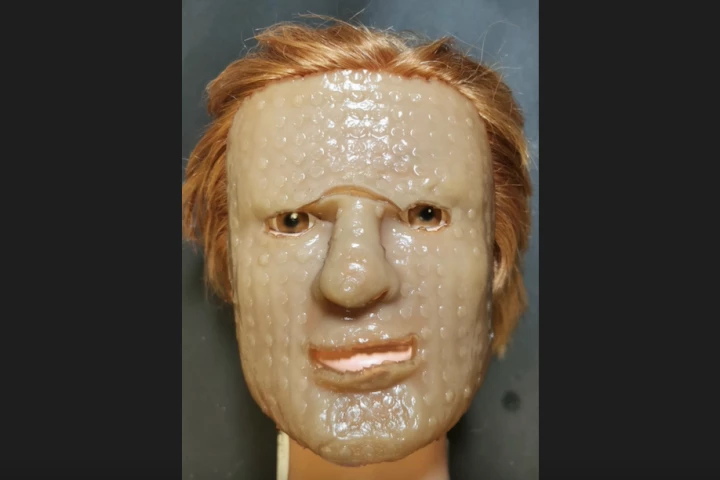 It's a sad fact that burn victims often feel a great deal of pain when the dressings on their wounds are removed. A new hydrogel-based dressing could change that, however, as it easily releases from the skin when cooled.
 -
 Scientists at the University of Toronto have spent years developing a portable device that can print out large sheets of "bio ink" to boost the healing process from severe burns, and have just proved its abilities in pigs for the first time.
 -
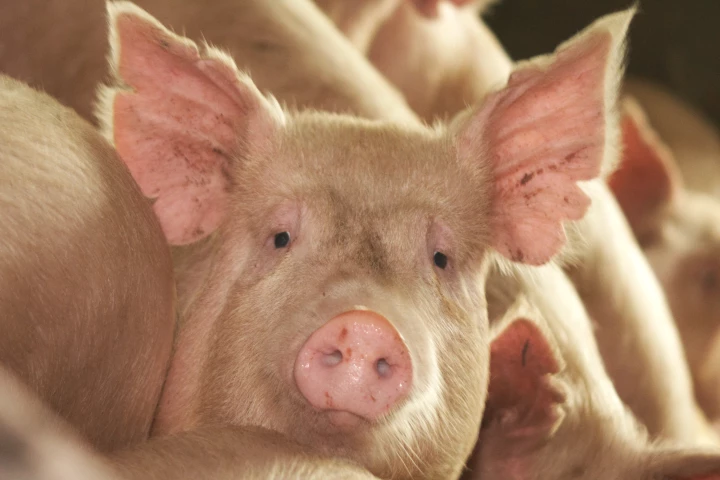 When someone has a severe burn, a protective covering needs to be temporarily grafted onto the wound site. Although that covering typically consists of skin from a human cadaver, live-cell pig skin has now been used on a patient for the first time.
 -
 The collagen-rich properties of fish skin have seen it gain some serious utility as a tool for treating burns. Veterinarians have now used a new form of this approach to bring a severely burned Rottweiler back from the brink of death.
 -
 Although a lot of us may already slather on the vitamin E when we get sunburned, it looks like vitamin D might also help our skin to recover. In a recent study conducted by Case Western University, it was found that orally-administered vitamin D can actually promote healing.
 -
 Although high-voltage electrical shocks can cause burns, scientists have recently shown that the application of pulsed electric fields actually aids in healing them. It does so by killing skin cells.
 -
 The SkinGun applies stem cells to the site of a burn in a novel way, helping increase both treatment and recovery time over standard methods. New tests show that it delivered a healing spray with 200 times more coverage than traditional methods.
 -
 An experimental nanoparticle therapy cuts in half the time wounds take to heal compared to natural healing. It could find use in treating a variety of cuts, burns, and wounds, including more serious issues such chronic skin ulcers and surgical incisions.
 -
 When a person's skin is burnt or otherwise injured, part of the body's healing process involves boosting oxygen levels in the damaged tissue. A new paint-on bandage indicates those levels, by glowing when exposed to bright light.
 -
 A couple of engineering students at the University of Toronto have created the PrintAlive, a 3D printer that produces skin grafts for burn victims on demand, potentially putting an end to harvesting a person's own body for healthy skin.
Load More