
Brown University
-
 Don't be fooled by that soft-looking down and pretty faces – woodpeckers are tough, tree-pounding beasts who simultaneous harden their whole bodies like a hammer and grunt as they drill away with force of up to 30 times their weight.
 -
 Children exposed to the common antimicrobial triclosan were more likely to develop allergic symptoms, a new study has found. It raises fresh concerns over the health impacts of a chemical widely used in everyday products.
 -
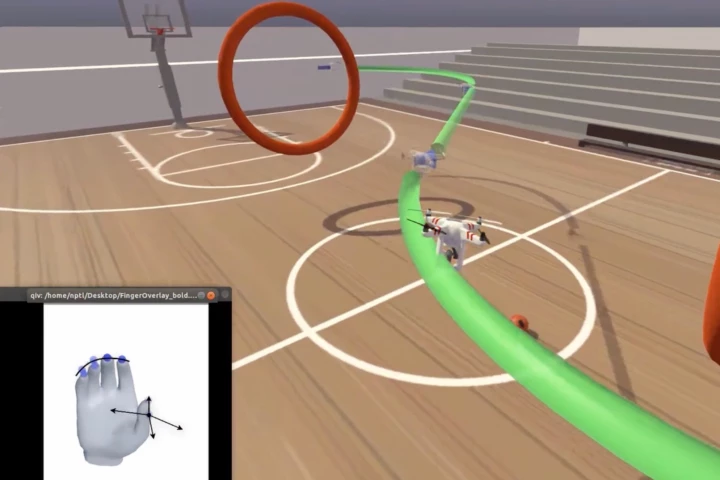 Brain-computer interfaces may allow paralyzed people to perform basic tasks, but there's more to life than eating and typing. That's where a new BCI comes in, as it has allowed a man to fly a virtual drone just by thinking of moving his fingers.
 -
 The animal kingdom is home to all kinds of stories – even horror stories. Scientists at Brown University have now uncovered a creepy new zombie story involving worms that propagate by hack their shrimp host's genome to take control of their minds.
 -
 Although we could, most of us don’t want to eat the same food for every meal. Now researchers have found it's the same for African elephants, whose diverse and individualistic food selection shows they're incredibly discerning at the dinner table.
 -
 Scientists at Brown University have developed a new material that can release drugs only when pathogenic bacteria are around. When used as a bandage, the hydrogel could deliver medication on-demand when infection begins to take hold.
 -
 Random numbers are crucial for computing, but our current algorithms aren’t truly random. Researchers at Brown University have now found a way to tap into the fluctuations of skyrmions to generate millions of truly random numbers per second.
 -
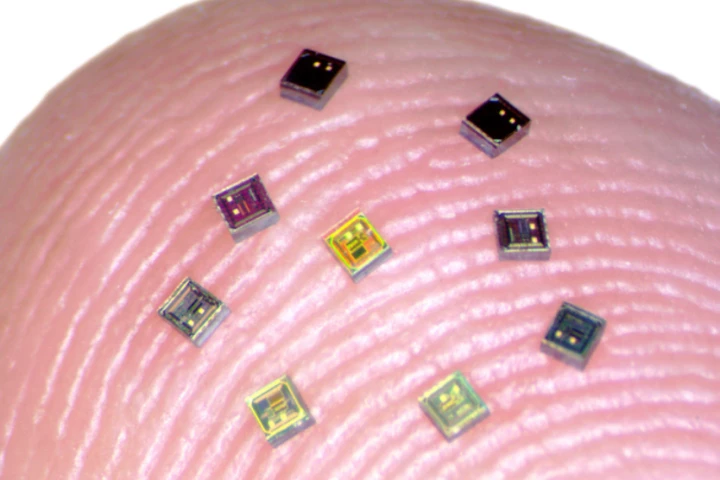 Whether they're being used for research or for restoring lost capabilities to the disabled, brain-computer interfaces (BCIs) show a lot of promise. They could soon be much more effective, thanks to the development of tiny new sensors.
 -
 When someone is paralyzed from the neck down, they can obviously no longer write words out by hand. They can still think about doing so, though, and those thoughts could allow them to type out messages via a new brain-computer interface (BCI).
 -
 One of the main goals of NASA’s Perseverance rover is to scour the surface of Mars for signs of ancient microbial life. But a new study of the geochemistry of the Red Planet suggests that life could still be thriving below its surface today.
 -
 The team behind a project known as BrainGate have made a major breakthrough, demonstrating a wireless brain-computer interface that can read and transmit neural signals at a bandwidth that is on par with wired systems.
 -
 While we frequently hear about the replacement of arthritic hips and knees with implants, wrists are another matter, as they're very complex joints. And although artificial wrists do exist, a new one is claimed to provide a fuller range of motion.
Load More