
Boston Children's Hospital
-
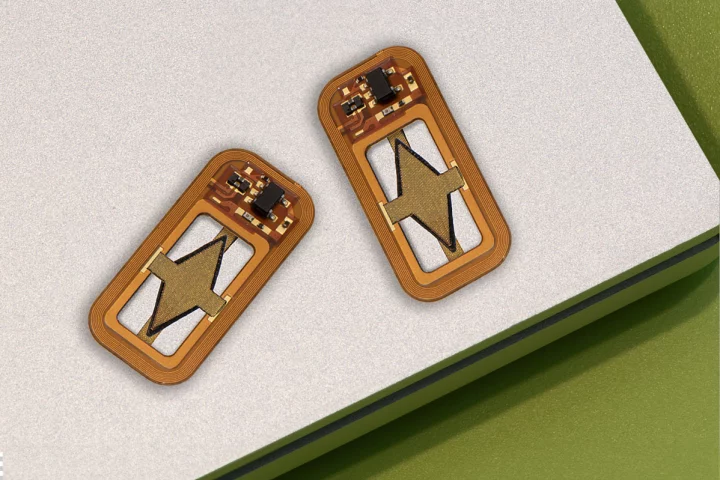 Daily insulin injections are painful and inconvenient, which is why scientists are developing implants that treat diabetes without any need for needles. A new one looks particularly promising, as it produces oxygen to feed onboard islet cells.
 -
 Although it's important to know if someone has experienced a concussion, the injuries are notoriously difficult to diagnose. According to a new study, however, urine tests may do the trick – plus they could be used to monitor the healing process.
 -
 Scientists investigating a root cause of leukemia have made a key discovery around how genetic mutations can cause blood stem cells to go rogue, forming dangerous populations of cloned cells that can go on to become cancerous.
 -
 A new study is reporting half of US children under the age of six have detectable levels of lead in their blood. The study tracked data from over a million children and is the first of this scale to analyze small traces of lead in blood samples.
 -
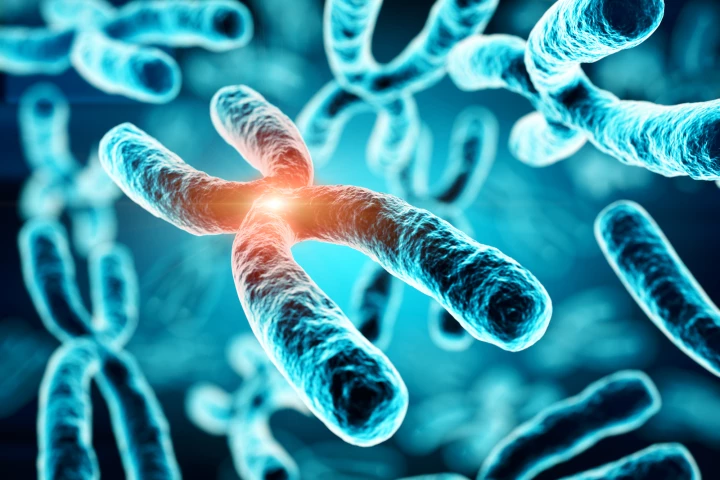 Central to the aging process are tiny caps on the ends of our chromosomes called telomeres that deteriorate over time. A Harvard team has now made an exciting breakthrough, discovering a set of small molecules that preserve their length in mice.
 -
 A ventricular assistive device (VAD) is sometimes used to help pump blood through the ventricle on one side of the heart. There can be problems with conventional VADs, however, which a new soft robotic device may be able to address.
 -
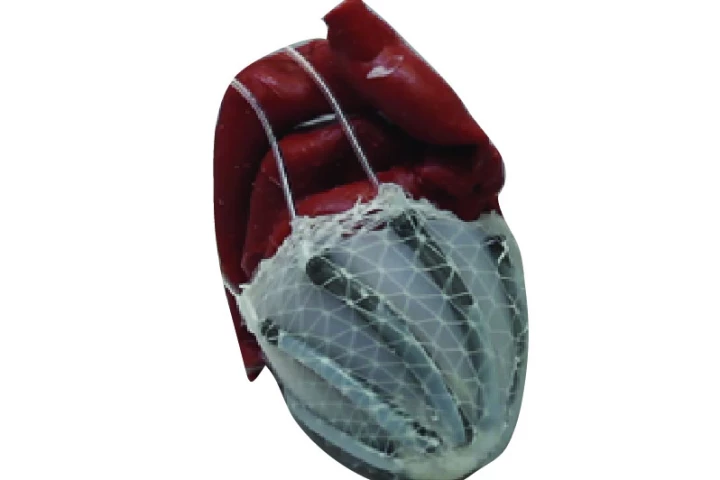 Heart failure is a multi-billion-dollar problem with no readily available solution in sight. Could a soft-robotic implant that mimics the natural motion of the heart bring us closer to one?
 -
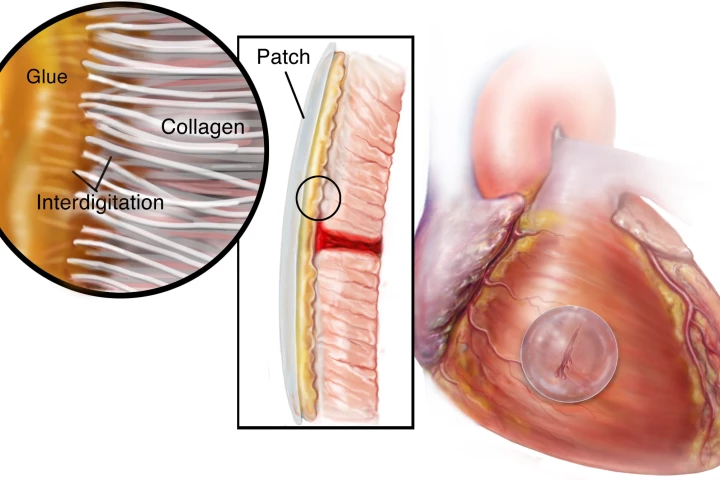 A hole in the heart is never a good thing, so when an infant is born with such a defect, doctors have to act quickly to fix it. Now, scientists have developed a sort of superglue for the heart, that quickly and securely bonds patches to such holes.