
Bed
-
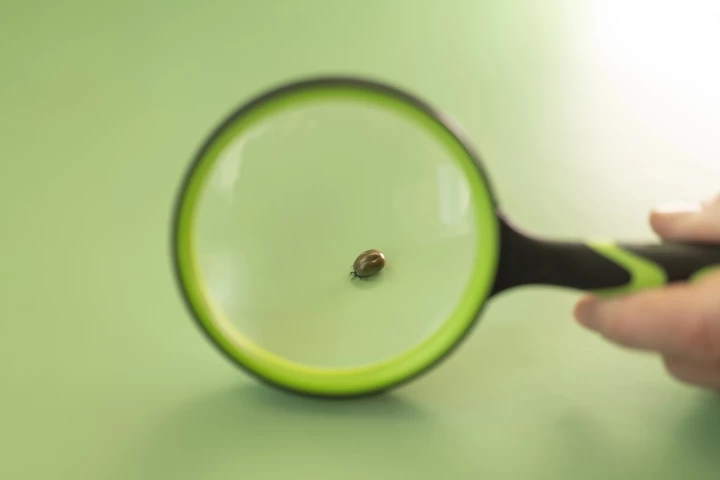 From fleas to mosquitoes, there's no shortage of organisms we consider pests. But thanks to new genetic detective work, scientists have named and shamed the resilient, highly adaptive – and frustratingly hard to kill – bug that got to us first.
 -
 One of the best things about sleeping on a train is the gentle rocking motion that lulls you off to la-la land. Well, the Ensven 3 Modular Bed Rocker brings that same motion to people's beds, with a lot more oomph than its predecessors.
 -
 Sleeping in an inclined position may help with problems such as poor circulation, back pain and heartburn, but electric adjustable-angle beds can be expensive. That's where the Bedvee comes in, as it brings such functionality to users' existing beds.
 -
 When a baby is born premature, it's vitally important that the infant's still-developing brain receive enough oxygen. A new medical device could help, by mimicking the heartbeat and breathing of a parent.
 -
 The lack of gravity in space means that muscles begin to waste away, and scientists have been studying these health effects on Earth with extended bed-rest experiments. In the latest, those beds will be put in a centrifuge to mimic artificial gravity, to see if that can help offset the issues.
 -
 Panasonic has developed the world's first ISO13482-compliant service robot. The Resyone, a robotic bed that transforms into an electric wheelchair, eliminates the dangerous task of lifting bedridden patients into and out of bed.
 -
 The Cuddle Mattress is a normal mattress divided up into slices that give you somewhere to put your arm when snuggling up to your significant other. This simple idea could help prevent bad backs, dead-arm-in-bed issues ... and arguments between couples.
 -
 The MAP System provides a real-time display of the pressure points on a patient's body, to minimize the chances of them developing bedsores. It consists of a pressure-sensing mat that is placed on an existing mattress, and a bedside monitor.
 -
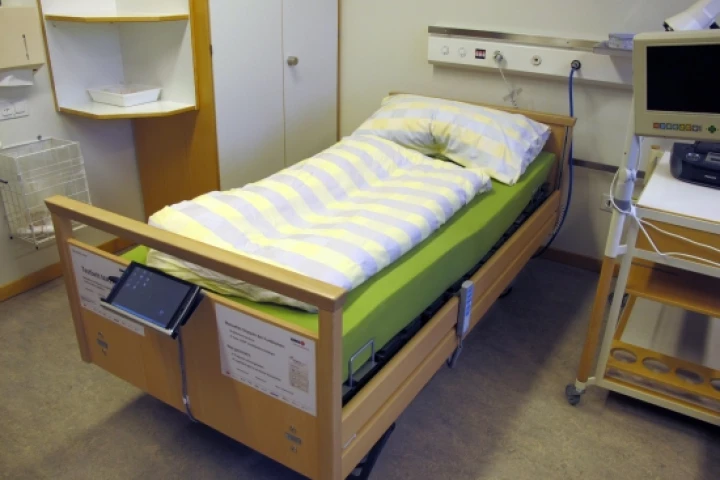 An "intelligent" hospital has been invented, that automatically turns patients over to keep them from developing bedsores.