
Asteroid
-
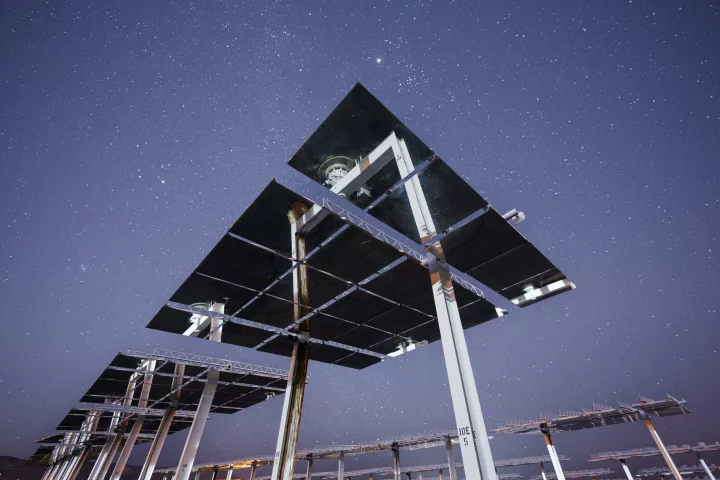 To keep solar power stations from getting lazy, Sandia National Laboratories scientist John Sandusky is looking to give heliostat mirrors a side hustle. At the National Solar Thermal Test Facility he's experimenting with getting them to hunt for asteroids at night.
 -
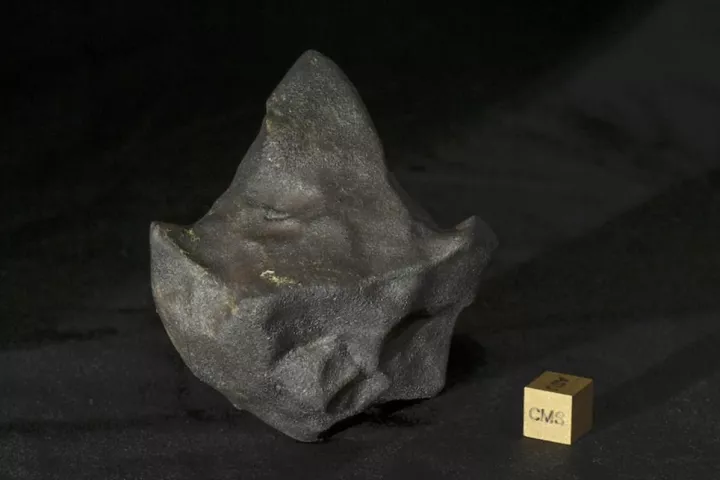 One of the most studied space rocks of all time has surprised us again, with the "mudball meteorite" Aguas Zarcas having cruised around the solar system for two million years without as much as a scratch. It defies the "fragile" class it belongs to.
 -
 Scientists have discovered the world’s oldest known meteorite impact crater in Western Australia. It has been dated to about 3.5 billion years ago, at a time when these almost literally Earth-shattering events should have been occurring regularly.
 -
 Asteroid 2024 YR4 has grabbed headlines lately, after NASA briefly gave it had the highest ever chance of an impact for an asteroid of hazardous size. Thankfully, new observations have dropped that probability to almost zero – for Earth, anyway.
 -
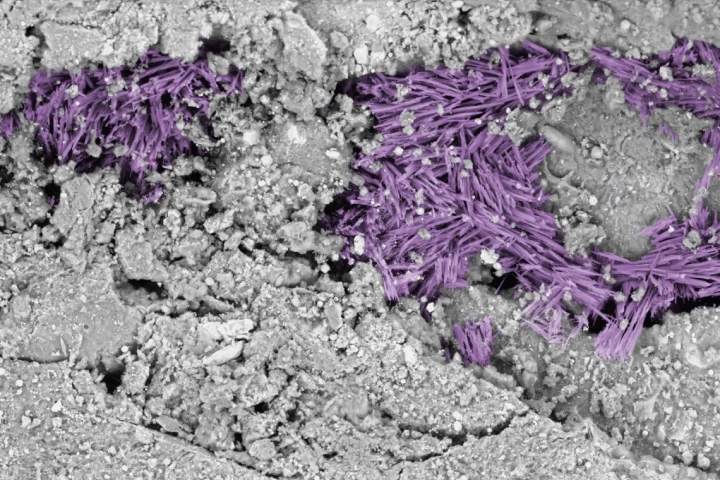 Asteroid Bennu seems to have come from a long-lost world on the fringes of the solar system, where saltwater pooled and dried over thousands of years and life’s basic ingredients were widespread.
 -
 ESA's Hera spacecraft designed to assess NASA's experiment to deflect an asteroid has launched from Cape Canaveral Space Force Station, Florida. At 14:52 GMT, the robotic probe lifted off atop a Falcon 9 rocket to begin its three-year mission.
 -
 Asteroids can devastate the planet in an instant – just ask the dinosaurs. Scientists at Sandia National Laboratories have now demonstrated a proof of concept method to deflect a potential Earthbound asteroid using a blast of X-rays.
 -
 Saturn’s rings are iconic, but new evidence presented by researchers from Monash University suggests Earth might once have sported one of its own. This ring would likely have caused climate chaos on the surface.
 -
 The largest moon in our solar system may have been knocked off its axis and cracked like an egg four billion years ago by an asteroid bigger than the one that wiped out the dinosaurs on Earth at the end of the Cretaceous age.
 -
 China is looking to get into the planetary defense business. A new paper by the China National Space Administration (CNSA) confirms that in 2030, the country plans to conduct a test mission to deflect a small asteroid from its current course.
 -
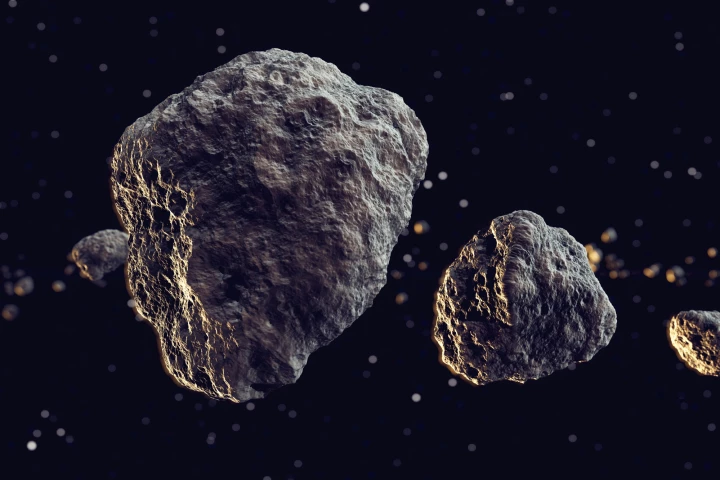 In 2029, a large asteroid will whizz past Earth so close it’ll be visible to the naked eye. But could collisions with other asteroids bounce it off-course into us? To find out, astronomers have now crunched the paths of 1.3 million known asteroids.
 -
 When NASA's DART deep space probe smashed into the asteroid Dimorphos, it didn't leave a crater. Instead, there was a splash, where the asteroid was distorted like a jelly as its entire structure shifted.
Load More