
Artificial
-
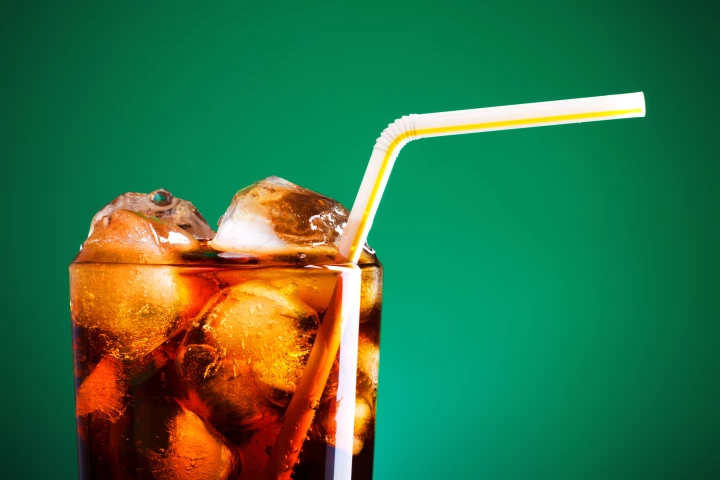 In a landmark 14-year study, researchers found that artificially sweetened drinks raise the risk of developing type 2 diabetes by more than a third, higher than those with sugar. It challenges the perception that diet drinks are healthier options.
 -
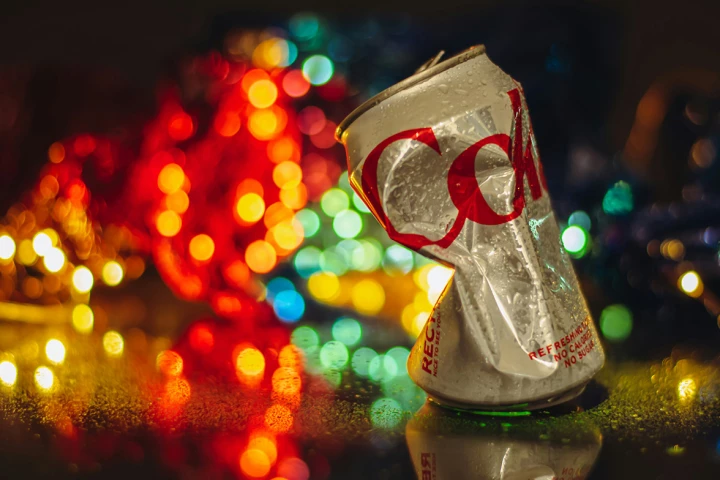 Aspartame has long been marketed as a guilt-free alternative to sugar in products like Diet Coke and sugar-free Jell-O. However, the sweetener has now been linked to an increased risk of heart attacks in mice. Should you ditch your fizzy drinks?
 -
 New York might be known as the city that never sleeps, but it turns out there's a lot less shuteye happening in smaller urban areas across the globe. And it's not because of nightlife, but artificial light emitted from buildings and infrastructure.
 -
 Using DNA and proteins, scientists have created new synthetic cells that act like living cells. These cells can be reprogrammed to perform multiple functions, opening the door to new synthetic biology tech that goes beyond nature’s abilities.
 -
 A 15-year project trying to build a synthetic yeast genome has hit a major milestone – yeast cells with more than 50% synthetic DNA for the first time. The team created synthetic versions of almost all its chromosomes plus a completely new one.
 -
 A debate has raged for decades as to whether a common artificial sweetener, aspartame, causes cancer. While the World Health Organization has now said it 'possibly' does, experts argue there's little evidence to support this and that it's still safe.
 -
 How small a canvas can evolution work on? Scientists have experimented with a synthetic lifeform designed to have the simplest possible genome, and found that given the chance it can evolve lost fitness back, showing that indeed, “life finds a way.”
 -
 A new study has found that consuming a widely available artificial sweetener produces a chemical that is damaging to DNA. The findings raise concerns about whether the sweetener is a contributing factor to a number of health problems.
 -
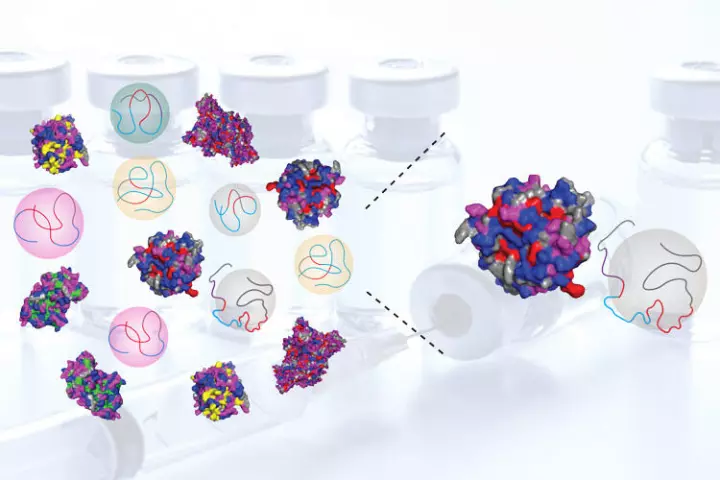 Can we take shortcuts on nature’s blueprint and make more efficient synthetic proteins? A new study finds simple combos of synthetic building blocks can make for protein alternatives that work just as well as, or even better than, the real thing.
 -
 Japanese scientists have engineered the smallest lifeform that can move on its own. The team introduced bacterial proteins that enable movement into a simple synthetic bacterium that normally cannot move, causing it to change shape and become mobile.
 -
 Microgravity wreaks havoc on astronauts' biology, which is bad news for future space travel. A NASA experiment housing fruit flies on the International Space Station has now shown that artificial gravity can help reduce some of those health problems.
 -
 A new study into the effects of four artificial sweeteners on the gut microbiome in humans has revealed not only can these sweeteners lead to changes in gut bacteria composition, but they can also alter glucose tolerance and blood sugar levels.
Load More