
artemis
Artemis program to establish permanent US manned presence on the Moon
-
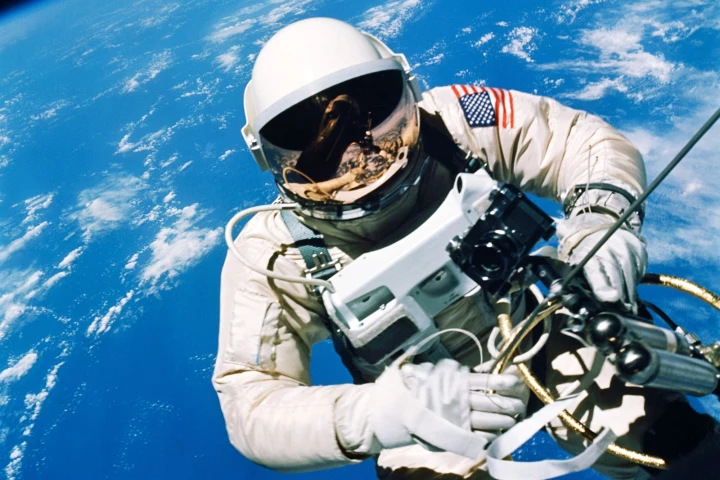 The Artemis II mission, which will return US astronauts to lunar space, has run into problems that have critics demanding NASA remove the crew from the flight for safety reasons. The bigger question is, why do we have astronauts at all?
 -
 It’s hard to think of a more challenging environment for an automotive battery than the Moon, and preparations for NASA’s Artemis program give us a chance to contrast the pioneering technology of the 1970s with where we are 50 years later.
 -
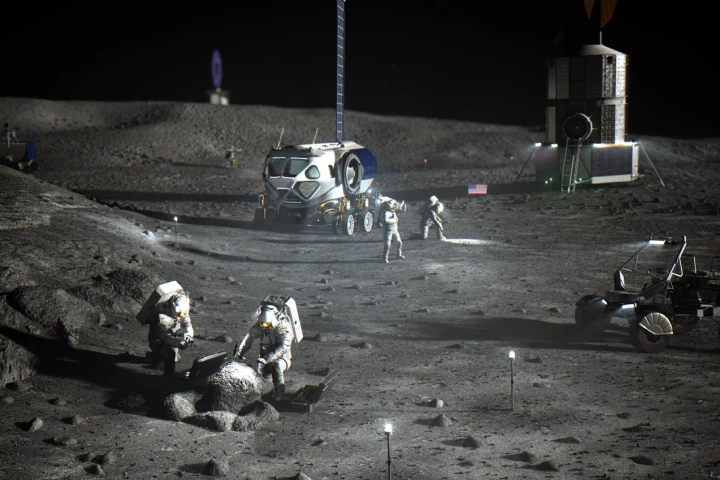 The Artemis II and III missions slated to return US astronauts to the Moon have been set back. At a press conference, NASA officials said that problems with the heat shield and life support systems would delay the launches until 2026 and 2027.
 -
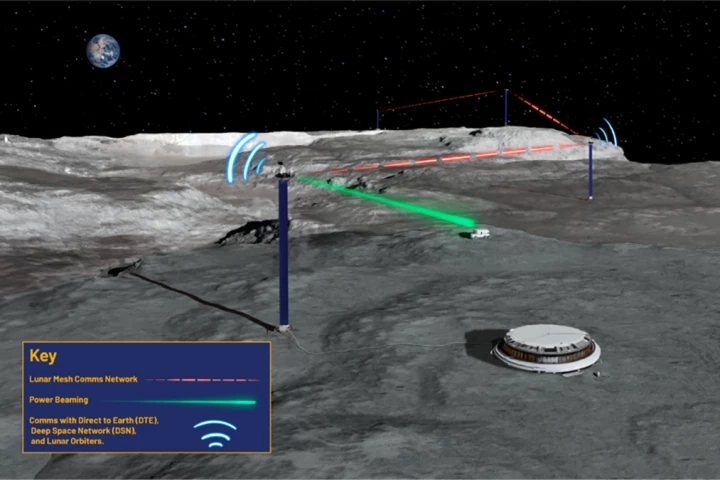 Honeybee Robotics has outlined a plan to build a kind of power grid on the Moon, with a network of Statue of Liberty-sized towers containing solar panels and batteries that provide power and communications, and even act as streetlights.
 -
 When you live on the Moon, your only option for commuting back to Earth or on to Mars will be some kind of rocket. But each launch will kick up a hellstorm of debris. Building walls to contain the mess could be a perfect job for autonomous rovers.
 -
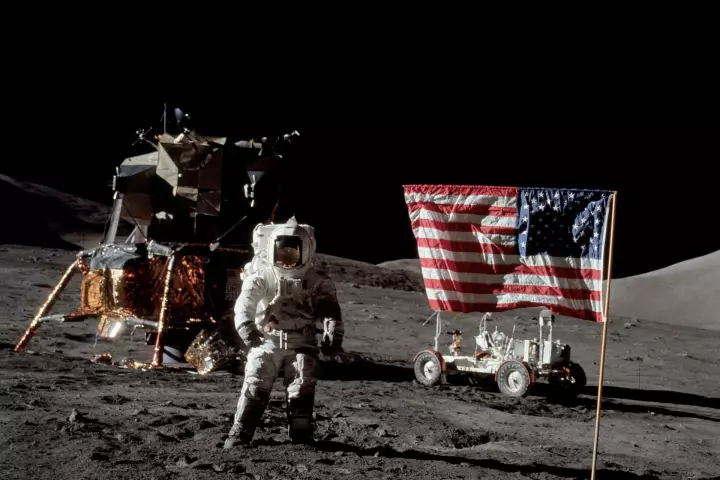 Future Moon bases may be a bit tidier thanks to an electric shield that protects equipment from destructive lunar dust. NASA's Electrodynamic Dust Shield (EDS) technology promises to tame the destructive dust that clings to equipment.
 -
 NASA announced today that its next two crewed Artemis missions to the Moon have been set back at least a year. The Artemis II lunar orbiter mission will now launch in September 2025 and the Artemis III lander mission is set for September 2026.
 -
 France and Italy are teaming up to build a habitat for future moon bases with Franco-Italian technology company Thales Alenia Space and the Italian Space Agency (ASI) signing a contract to develop the Multi-Purpose Habitat for NASA's Artemis project.
 -
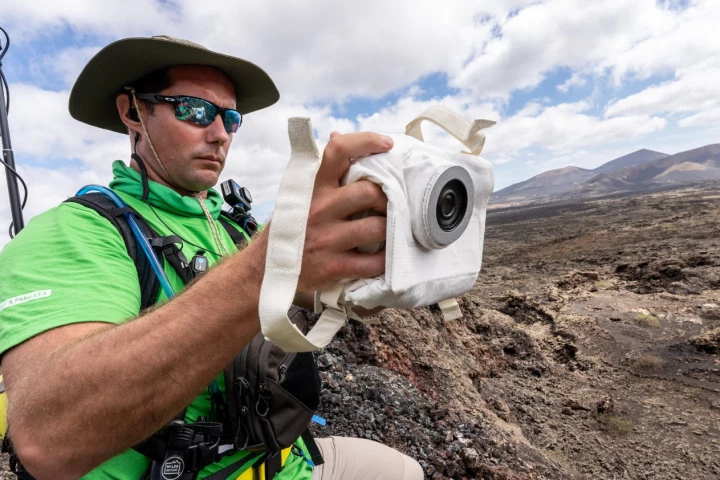 In anticipation of a photographic bonanza, NASA and ESA are testing the new Handheld Universal Lunar Camera (HULC), which will be carried by future astronauts to record their adventures in images and video when they return to the Moon in a few years.
 -
 NASA's Artemis 1 mission is on track for its December 11 splashdown after the uncrewed Orion spacecraft completed a second powered flyby of the Moon today that brought it within 79 miles (127 km) of the lunar surface at 11:42 am EST.
 -
 NASA's Artemis 1 mission notched up a new record today, when the uncrewed Orion spacecraft reached the farthest distance from Earth achieved by a human-rated spacecraft, breaking the previous record set by Apollo 13 on April 15, 1970.
 -
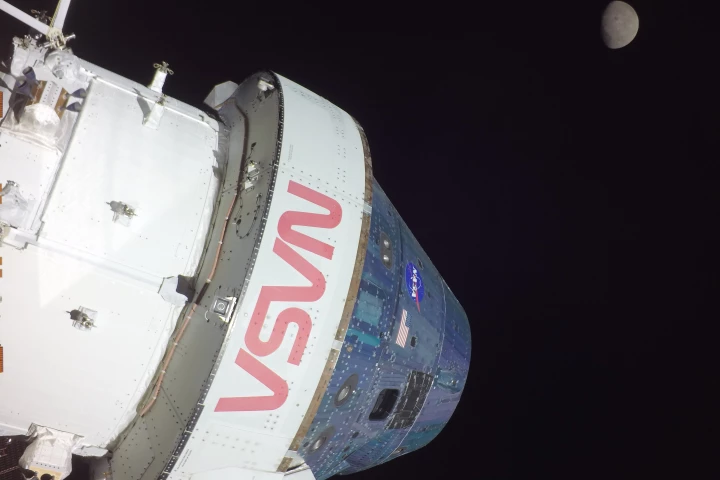 NASA's Artemis 1 deep-space mission reached a major goal today as the uncrewed spacecraft successfully completed its powered flyby of the Moon that brought it within 81 miles (130 km) of the lunar surface.
Load More