
Agriculture
-
 By adjusting a typical polymer synthesis, researchers have created a spray-on polymer solution that could save billions of tons of crops. It's harmless to plants, and weakens the cell membranes of a variety of harmful bacteria.
 -
 A new thumb-patch of dissolvable microneedles injects biofertilizer directly into plant leaves. In lab tests, kale and choy sum grew taller and faster with bigger leaves and shoot biomass, using 15% less biofertilizer.
 -
 Extremophilic Tidestromia oblongifolia alters its own photosynthesis to thrive in heat that would kill most plants. By reorganizing its cells and reshaping its chloroplasts to keep producing energy, is it the future of GMO crops in climate chaos?
 -
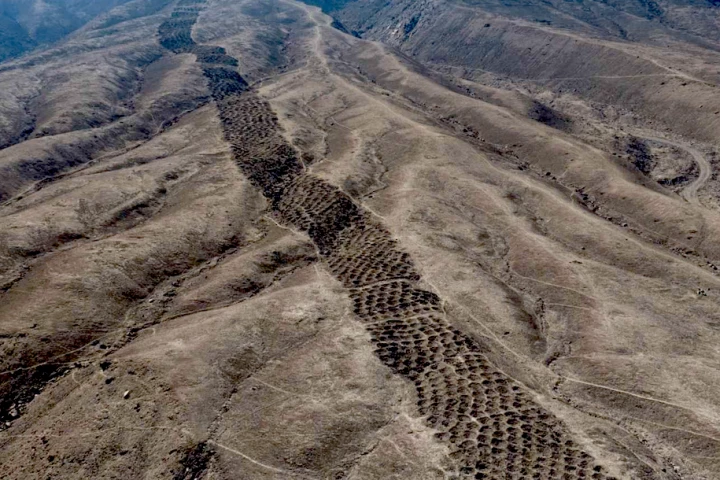 For nearly a century, a strange band of 5,200 holes carved into a hillside has defied explanation. Stretching for nearly a mile along the edge of the Pisco Valley, Monte Serpe – "serpent mountain" – may have finally revealed its secrets to scientists.
 -
 In order for farmers to know if their fruit is ripe, they have to pick and analyze pieces of that fruit, reducing their yields. Utilizing a new technique, however, they could soon leave all the fruit intact, analyzing the leaves beside it instead.
 -
 Harsh, eco-unfriendly synthetic herbicides are definitely one of those things that you shouldn't be using if you don't have to. Japanese researchers are thus now developing a green alternative, derived from the leaves of a humble walnut tree.
 -
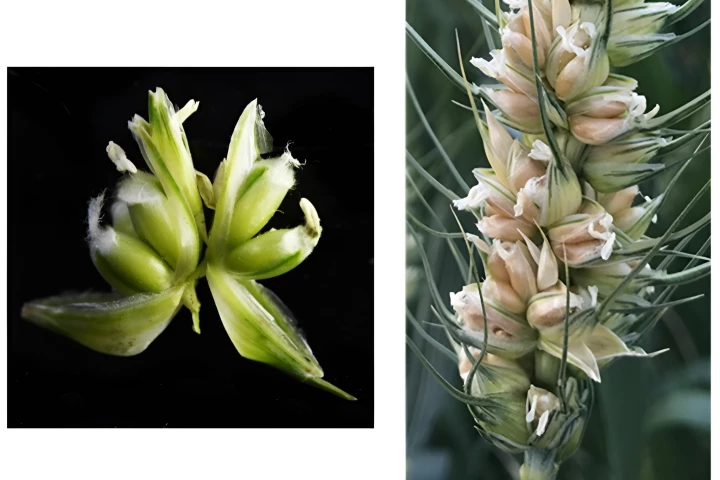 Imagine if three times as much grain could be obtained from the same amount of wheat plants as is currently possible, using the same amount of land, water and fertilizer. Well, that could soon be possible, thanks to a new genetic discovery.
 -
 Beekeepers in many regions are having a hard time of it, as their honeybees struggle to find enough pollen. Scientists are now addressing that problem with a new nutritional supplement which is described as being like "a PowerBar for bees."
 -
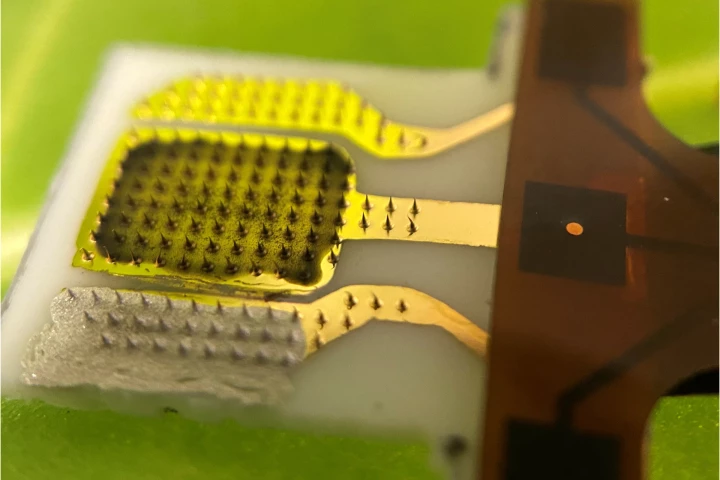 The sooner a farmer knows that their crops are suffering, the faster they can take action to prevent major crop failure. A new plant-leaf-poking sensor could soon help them do so, by sending an alert as soon as the plant gets stressed.
 -
 Crop fertilizers are a major source of pollution, as the chemicals make their way out of the soil and into the environment. Scientists are now working on a solution to that problem, by developing a fertilizer that takes the form of tiny glass beads.
 -
 When most people think of duckweed, they likely picture a green film growing across the surface of a stinky, stagnant slough. The protein-rich plant may soon be on your plate, however, as it's been approved for human consumption in Europe.
 -
 When it comes to monitoring the health of crops, aerial images captured by aircraft are only going to tell you so much. That's where an experimental new spectral sensor comes in, as it's mounted directly on the underside of individual plants' leaves.
Load More