
Body and Mind
Incredible progress is being made in health and medicine – every day we learn more about how to maximize physical and mental health, treat and cure illness and disease, and live longer, happier and healthier lives.
Top News
-
 News about intermittent fasting seems to change as frequently as the apps on your phone need upgrading. Yet another new study about the eating practice seeks to put doubts to rest after rounding up data from 22 randomized clinical trials.
 -
 Researchers have shown they can achieve some control over what people are dreaming, bringing a theme that has been frequently explored in the sci-fi and horror genres off the screen and into the lab. Puzzle-solving was at the heart of the research.
 -
 New research shows that people with obesity host a distinct oral microbiome. The study turns our attention to the mouth as a signal of metabolic health in a shift that challenges long-held assumptions about where obesity-related biomarkers can be measured.
Load More
Latest News
-
 After an analysis of data from over 131,000 people, researchers found that drinking coffee and tea daily seems to guard against the development of Alzheimer's disease and other forms of cognitive decline - caffeine may be the key protective compound.
 -
 Zinc oxide remains one of the best forms of sun protection thanks to its ability to block both UVB and UVA rays. However, few really appreciate its thick white look – except, maybe, lifeguards in the '80s. UCLA researchers believe they have a solution.
 -
 While AI certainly has its issues, there’s little doubt that it shines in terms of medical diagnostics. Now, a new study suggests it can even make the humble stethoscope an even more powerful tool than it already is for detecting heart disease.
 -
 Scientists have uncovered an intriguing link between infection and brain health, finding that a common bacterium may advance cognitive decline. It's the latest evidence suggesting that bacteria and infections play a key role in destroying our brains.
 -
 A new study challenges the idea MS is just one single disease presenting evidence it may actually follow two distinct biological pathways. It’s a shift that could reshape how clinicians think about diagnoses, disease progression and treatment strategy.
 -
 The Food and Drug Administration has approved a landmark eye drop that uses a combined dose of medication to restore age-related near-sightedness, without the need for surgery, for longer than anything else on the market – and with fewer side effects.
 -
 The future of acne treatment might look way different than today's oral and topical medications. A new therapeutic patch features dissolving microneedles with hollow bubbles for precisely delivering multiple drugs with different release rates.
 -
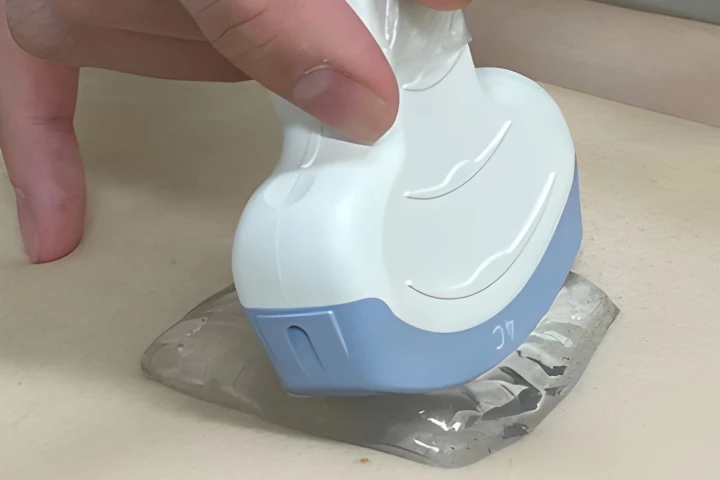 If you've ever had a sonogram you know that, even though the test isn't too hard to endure, the cold glob of gel that goes on your skin before you get "wanded" is pretty unpleasant. Japanese researchers have now come up with an alternative.
 -
 It turns out donated blood has a shelf life – and it can be very different for each donor. Recently, scientists have found a way to track how blood ages, helping hospitals manage their supply more effectively.
 -
 For some time, we've known that it's rare to see people with both cancer and Alzheimer's diseases. Now, scientists believe they may have found why, discovering a molecule in cancer cells that clears problem proteins from the brain.
 -
 Don’t remember if you took your pills? Try MIT’s SAFARI (Smart Adherence via FARaday cage And Resorbable Ingestible). The capsule has its own bioresorbable radio that activates itself when swallowed, so you’ll never worry about missing a dosage.
 -
 Forget strips, gels, and pastes. Your next tooth-whitening and repairing substance might well be a new powder developed by Shanghai researchers. You'll want to use it with an electric toothbrush though, because that's what makes it spark.
 -
 If you want a really good workout, you shouldn't just be sitting around. That's at least part of the thinking behind the Martoni Cardio Speeder, a seatless exercise bike that puts the user in what its creator calls a "procumbent" riding position.
 -
 A new CRISPR-based one-off therapy that lowers "bad" cholesterol is set to enter its Phase I trial. If successful, it could be the first approved genetic-editing method, replacing ongoing medication and slashing the risk of cardiovascular disease.
 -
 Not getting enough vitamin D can weaken bones, teeth, and muscles by interfering with calcium absorption. Now there's another reason to avoid a serious D deficiency: it can make respiratory tract infections much worse, according to a new study.
Load More