
Learning & Memory
The latest scientific research, treatments and understanding around learning and memory.
Top News
-
 Scientists have uncovered an odd superpower triggered by tapping your finger to a beat – it may help you understand someone talking to you in a noisy place, like at a busy cafe. While it sounds a little woo-woo, there's emerging science behind it.
 -
 In the first study of its kind, neuroscientists have shown the real-world benefits that sunlight gives the brain, beyond laboratory experiments, linking brighter and more regular daytime light to better alertness and faster attention in everyday life.
 -
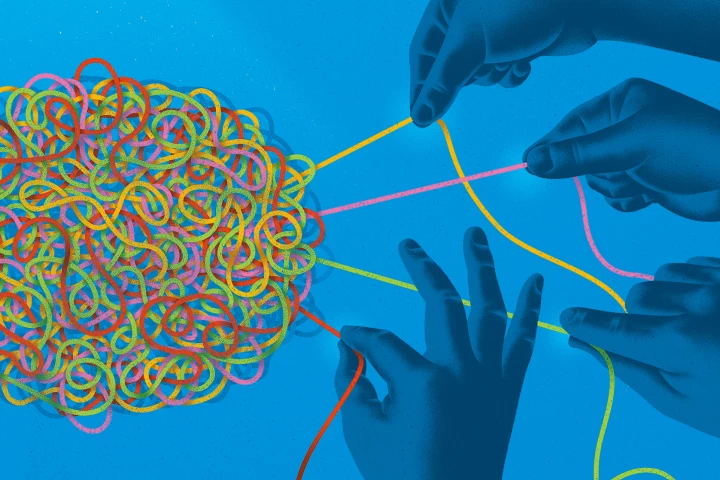 We know autism is not a single, homogeneous condition. Instead it's shaped by different traits, genes, and life experiences. Scientists have now discovered four distinct types of autism, each with its own biological signature.
Load More
Latest News
-
 Some people don't like listening to music. There is nothing wrong with their hearing, but for some strange reason music gives them no pleasure. New research suggests this points to a unique disconnect between the brain’s auditory and reward networks.
 -
 Researchers found that when groups of people watch the same health promotion videos, their brain activity syncs up, indicating that the message has gone beyond being seen and heard. This approach could lead to more effective health campaigns.
 -
 A stage of sleep – reflected in the size of our pupils – is important to committing recent memories to the brain, which could be manipulated to improve cognitive function and even identify issues with being able to recall newer experiences when awake.
 -
 Manipulating brain cells called astrocytes using light prevented the retention of fear memories long-term, according to new research. This opens the door to potential treatments for conditions like PTSD, which is characterized by abnormal fear memory.
 -
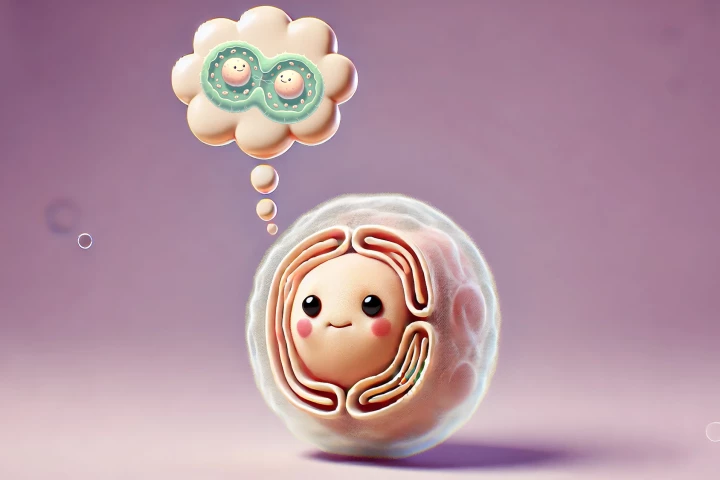 Memories can form outside of the brain, according to new research. Non-brain cells exposed to chemical pulses similar to the ones that brain cells are exposed to when presented with new information caused the non-brain cells to switch on a gene critical for memory formation.
 -
 Combining VR and non-invasive deep-brain electrical stimulation, has improved memory – the kind that remembers where you left the car keys - in healthy people. The approach has great potential as a surgery- and drug-free treatment for cognitive decline
 -
 Like a computer system with built-in redundancies, a study has revealed that brains use three different sets of neurons to store a single memory. The finding could one day help soften painful memories in people who've suffered trauma.
 -
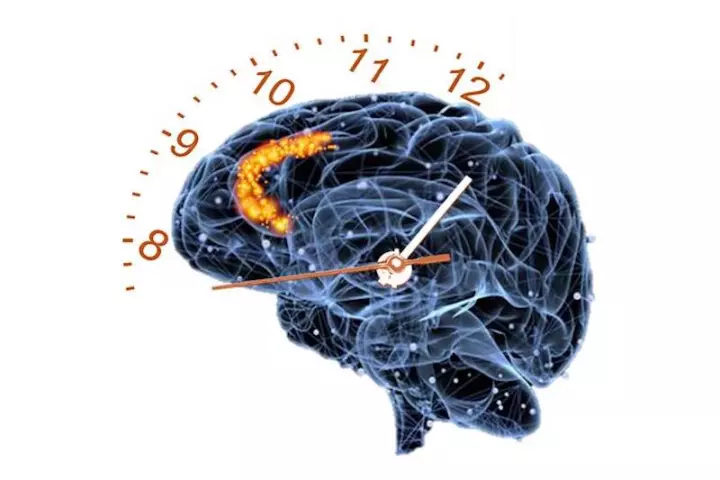 Time is relative – we’re all familiar with that feeling that time drags when we’re bored and flies when we’re busy. New analysis of brain activity patterns shows how our brains track time, and some intriguing insights into how cells handle it.
 -
 Memories seemingly lost as a result of sleep deprivation were restored using existing drugs used to treat asthma and erectile dysfunction, according to new research. The research suggests these memories are merely hidden, not lost, and offers a way to retrieve them.
 -
 For the first time, researchers have identified how the brain’s fatty acids and the genes that control them are crucial to memory formation. The discovery opens the door to novel treatments for memory-affecting diseases such as Alzheimer’s.
 -
 A new study has found that a bioactive compound found in coffee beans improved learning and memory decline in aged mice. The findings open the door to developing a supplementary medicinal compound to treat or prevent age-related cognitive decline.
 -
 According to a 2022 study, just four alcoholic drinks per week can contribute to cognitive decline. Now, based on tests on mice, researchers may have found a way to fight booze's brain-hampering effects with the potent red ginseng root.
 -
 Cognitive decline is, sadly, a normal part of aging. But now scientists have uncovered a mechanism in this gradual process, which affects functions such as memory and reasoning, and believe it's key to developing drugs to stop it in its tracks.
 -
 Memory is commonly affected following a traumatic brain injury. A new study has found that AI-guided electrical brain stimulation in people with moderate-to-severe traumatic brain injury may successfully treat their memory loss.
 -
 Scientists investigating the potential of a non-invasive laser therapy to improve cognitive function have demonstrated an ability to boost short-term memory in human subjects by targeting specific regions of the brain.
Load More