






It's that time of year again – and my personal favorite corner of science to look back on – when we recap the many fascinating discoveries in the plant and animal kingdom that made headlines in 2025.
While medical discoveries tend to get the spotlight in science research, countless ecologists, biologists, zoologists and conservation geneticists spend just as many hours in labs and out in the field in an effort to further our understanding of the species we share the Earth with – and can't live without.
There were orcas making tools, 110,000 spiders sharing a massive interconnected web in complete darkness and some wholesome news about the friendship bonds in both birds and baboons, it's been another varied and wonderful year for learning about life around us. And while some findings may seem quirky and trivial, understanding animal (and plant) behavior, genetics and adaptation strategies is critical to species survival in the face of increasingly challenging environments we all call home.
We hope you enjoy our year's highlights (and if you want more, head back into the archives for 2024, 2023, and beyond).
-
 Bears look like textbook mammals, but hidden in their evolutionary history are two dramatic departures from the rules of growth and adaptation. Scientists have now unlocked when, and how, ancient bears broke the rules and hacked nature out of need.
 -
 Deep underground in a dark, sulfuric cave, scientists have made an incredible discovery – a giant communal spider web spanning more than 1,000 square feet, home to an estimated 110,000 spiders that defy nature to coexist in harmony.
 -
 You won't find us endorsing aggression towards animals very often, however, scientists have discovered that raising your voice to seagulls – especially if you're male – will make them think twice about stealing your food. It's simply science.
 -
 In a breakthrough, scientists have transferred a courtship behavior from one species to another, triggering the recipient to perform this completely foreign act as if it was natural. It's a feat that has never been genetically engineered before.
 -
 There's an old saying that everything in Australia wants to eat you – and this apparently includes plants. Now scientists have made a special find, stumbling across a massive community of a rare meat-eaters living closer to humans than ever before.
 -
 Remarkable research has unlocked new understanding of the mysterious ways trees communicate and share knowledge – and much like in the animal kingdom, the wisdom of age plays a key role. In fact, you may never look at a tree in the same way again.
 -
 Why do elephants, one of the biggest animals on the planet, paradoxically experience unusually low rates of cancer? The question has led scientists to discover these remarkable mammals carry unique genetic variants that reduce their risk of tumors.
 -
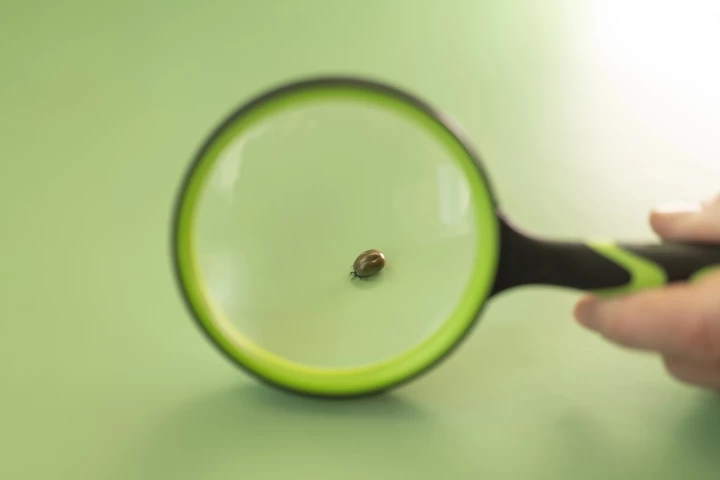 From fleas to mosquitoes, there's no shortage of organisms we consider pests. But thanks to new genetic detective work, scientists have named and shamed the resilient, highly adaptive – and frustratingly hard to kill – bug that got to us first.
 -
 Don't be fooled by that soft-looking down and pretty faces – woodpeckers are tough, tree-pounding beasts who simultaneous harden their whole bodies like a hammer and grunt as they drill away with force of up to 30 times their weight.
 -
 The existence of orange cats dates back to the 12th century, but the DNA driving this color has been a mystery – until now. Scientists have solved the puzzle, finding a surprise variant that triggers ginger fur, one not seen in any other orange animal.
 -
 Ultra-slow-motion footage has revealed that snake strikes aren’t the simple, lightning-fast stabs we imagine. Instead, each deadly family has evolved its own sinister, precision method for delivering venom in just milliseconds.
 -
 Inside the Exclusion Zone surrounding the Chornobyl nuclear plant, thousands of animals now roam freely. Among them are the stray dogs – around 900 descendants of the pets left behind, living in the shadow of the world’s worst nuclear disaster.
 -
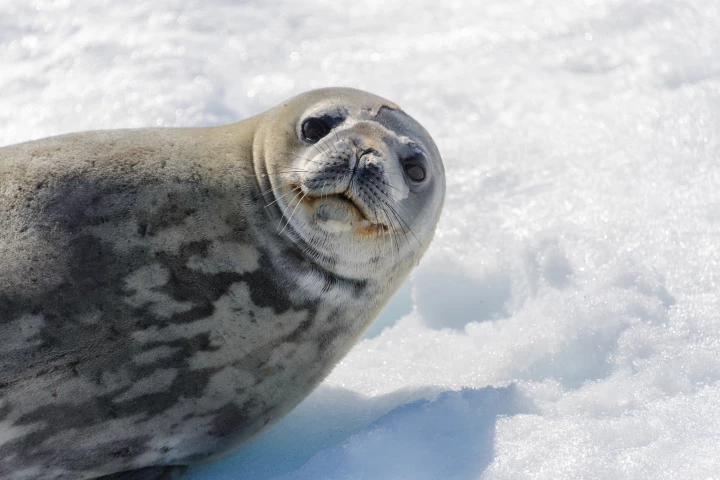 Leopard seals may be one of Antarctica’s most fearsome predators, but these vocalizers sing with the structured charm of a nursery rhyme. In a new study, researchers discovered that the underwater vocal patterns of these mammals resemble human song.
 -
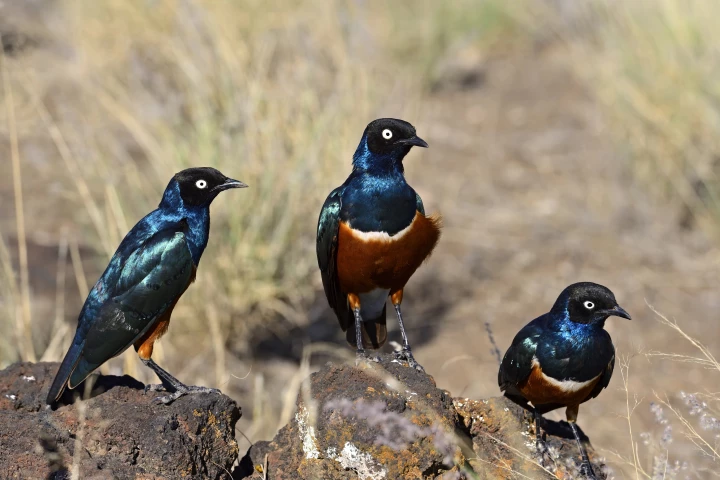 A new study with 20-years of field data has discovered that the African superb starling forms mixed-kin groups with up to 60 members. These findings offer some of the first direct evidence of human-like friendship behavior in animals.
 -
 For the first time ever, a unique cooperative hunting arrangement between dolphins and orcas has been documented. Researchers believe killer whales find salmon by tailing dolphins, who in turn benefit from bite-sized fish pieces.
 -
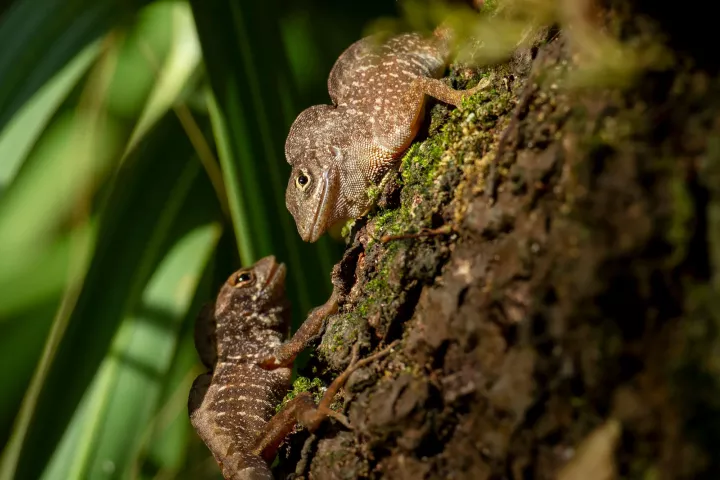 We often see the results of evolution, but not the process directly. Now, scientists have witnessed evolution unfolding in real time, as two similar lizard species encounter each other for the first time and quickly adapt to fill different roles.
 -
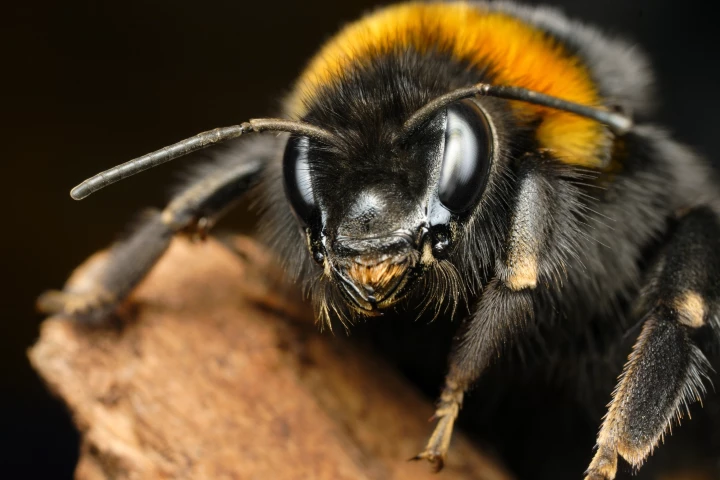 In a groundbreaking new study, scientists took a closer look at how bumble bees respond to positive experiences inside the nest. They found positive attitudes are quite literally contagious, spreading between bees within seconds.
 -
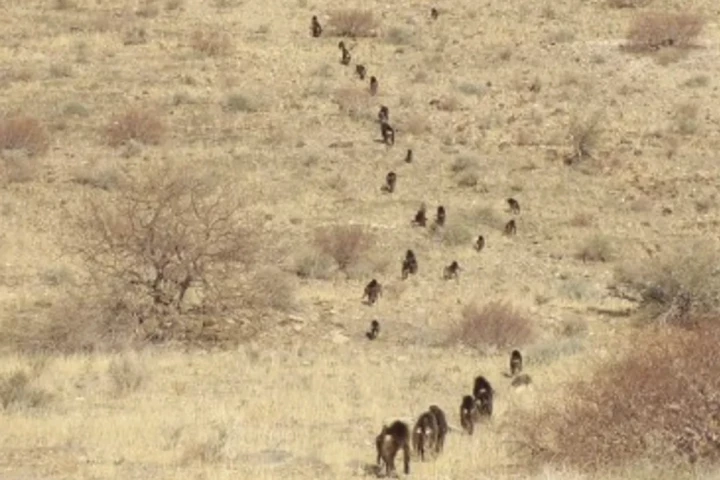 It's not a simple case of "follow the leader" when it comes to baboons on foot. Researchers have made a surprising discovery on why they appear to move in an orderly line, and it's something that can help us better understand human behavior, too.
 -
 Scientists have discovered how an Australian jumping spider's semi-hydraulics allows it to speed jump long distances with precision while experiencing g-forces higher than those of fighter pilots. Their insights might help robotics research.
 -
 Following the outbreak of the COVID-19 pandemic, the world responded with public health measures, including social distancing practices. But it appears that humans aren’t the only ones to modify their environment to mitigate epidemic risk.
 -
 Oceanic manta rays make extreme dives of more than 1,200 meters – three-quarters of a mile – but it's not to feed. Instead, the mantas are calibrating their own kind of Google Maps as soon as they find themselves out beyond the continental shelf.
 -
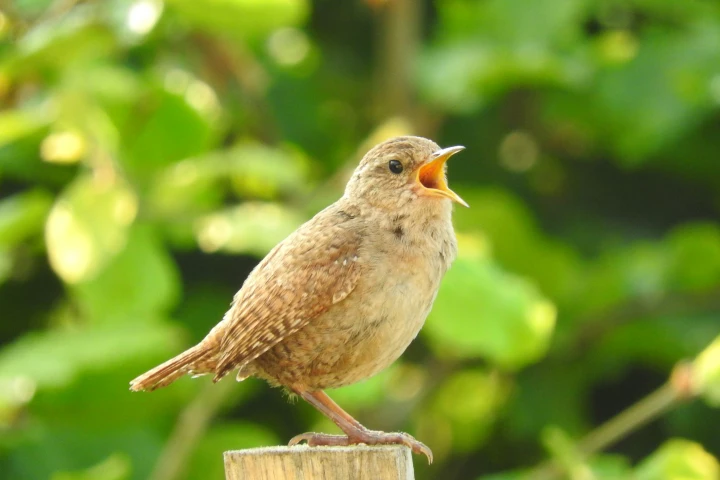 If you've noticed that you're hearing birdsong longer into your day than you used to, your observation fits with a study examining millions of hours of tweets and warbles. But just why are our feathered friends holding longer concerts?
 -
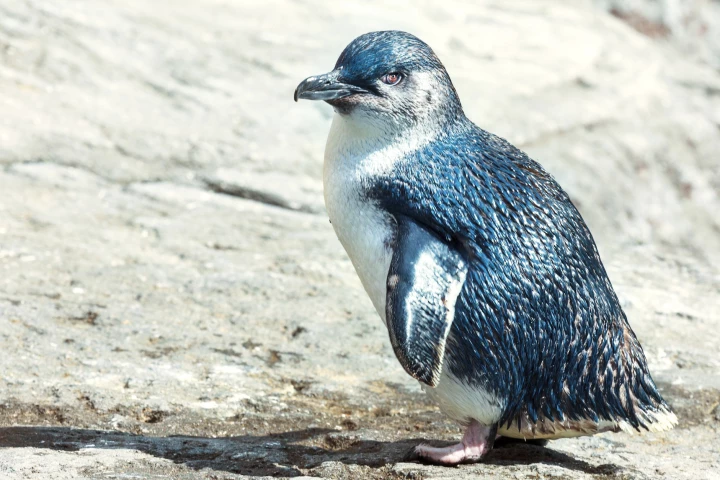 A 13-year study of tiny penguins in Australia has dispelled the long-held myth that these seabirds mate for life, with the 'divorce rate' nearly 10 times that of the current statistics for US adults. And, not surprisingly, it all comes down to kids.
 -
 Zombies are real – not in the walking dead sense, but parasites that can force creatures to do things against their will. The launch of The Last of Us season 2 feels like a great time to explore some of the real-world zombie stories that inspired it.
 -
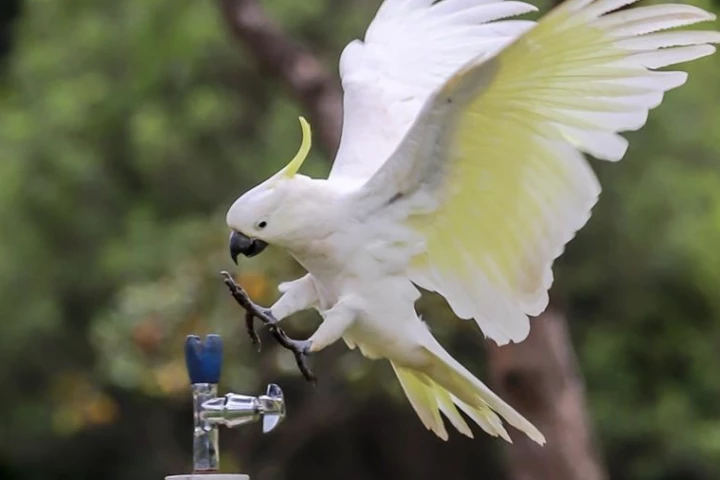 In an impressive feat of urban adaptation, sulphur-crested cockatoos have worked out how to use their feet and their large bodies to twist the taps of drinking fountains. And much like another of their moves, they're learning to do this en masse.
 -
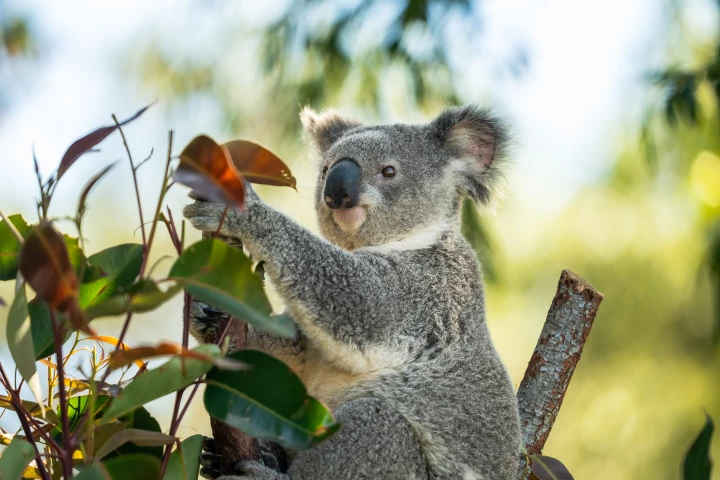 Australia's embattled koalas have been given some good news for once, with the approval of the world's first chlamydia vaccine. More than a decade in the making, a single jab will now protect koalas from the disease decimating their populations.
 -
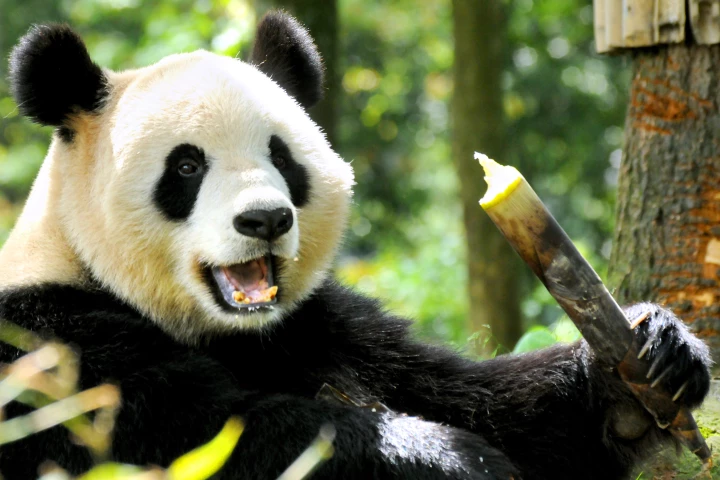 Built to be carnivorous, giant pandas spend up to 16 hours a day on their backsides eating bamboo. But contrary to all the panda jokes, it's not because they're lazy or too dumb to know better. It's far more fascinating – and it may help humans, too.
 -
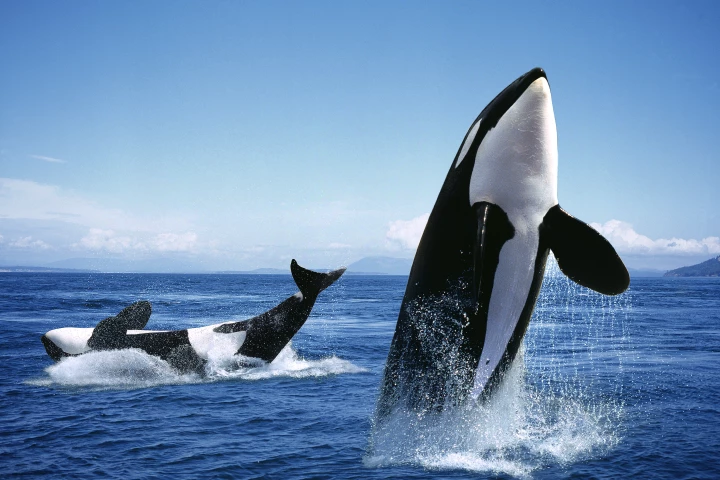 Killer whales have joined the rare club of animal species that craft tools out of nature and use them to their advantage. For the first time, they've been observed making a brush of sorts out of kelp and then using it on each other.
 -
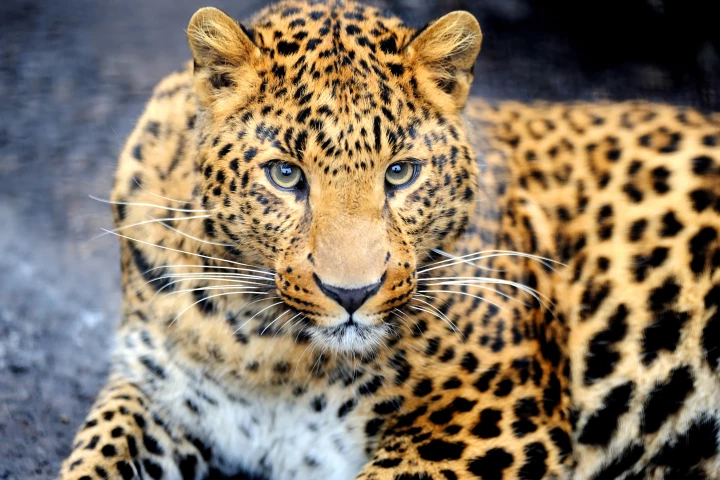 Spots and stripes serve many purposes in nature, but how they form has been more of a mystery. Now, researchers have advanced their breakthrough theory – and it could help us design materials that can respond to the environment and change color on demand.
 -
 Forget flowers and chocolate – in the spider world, courtship survival is the ultimate gift. Scientists have discovered a new genus of tarantula and its defining feature is a supersized sperm-delivery arm nearly four times the length of their body plate.
