
Aging Well
Many researchers are beginning to see aging as a disease that could potentially be cured, and scientists are making breakthroughs in many areas that could lead to anti-aging treatments. Here's the latest science around aging, and practical information on aging well.
Top News
-
 Our fat tissue could be used to make our bones regrow, with scientists successfully using adipose cells to repair spinal compression fractures. It could change how breaks are treated and improve bone strength in diseases such as osteoporosis.
 -
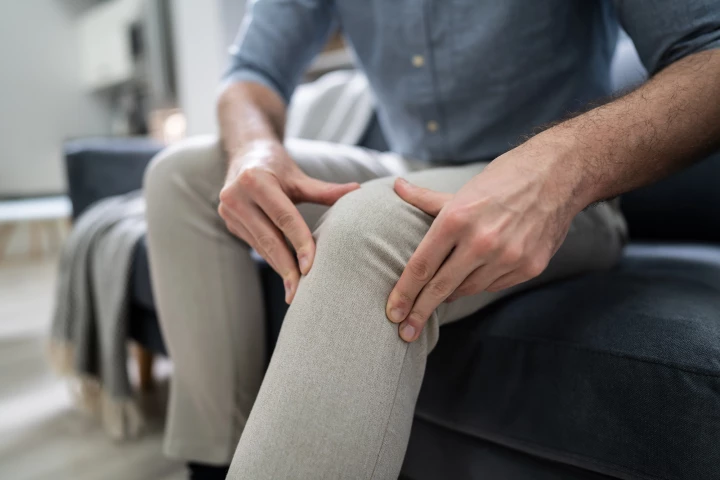 In a review of more than 200 clinical trials, scientists have identified which exercise offers the most benefits in relieving the symptoms of knee osteoarthritis. It's the most comprehensive look at physical activity in treating the condition yet.
 -
 Friendships, community ties and family bonds may apply the brakes to cell aging, providing a simple way to invest in health in older age. In a new study, scientists find that social connections are tied to slower biological aging and less inflammation.
Load More
Latest News
-
 The Food and Drug Administration has approved a landmark eye drop that uses a combined dose of medication to restore age-related near-sightedness, without the need for surgery, for longer than anything else on the market – and with fewer side effects.
 -
 The use of blood-flow restriction cuffs that "hack" your physiology to speed up strength and muscle gains has been growing in popularity. However, researchers have now found that they come with a big downside during use – especially the older you get.
 -
 An antibiotic primarily used in veterinary medicine was found to turn the gut into a factory that pumps out life-extending compounds. The finding could change the way we think about the development of longevity drugs.
 -
 A new study of exceptionally long-lived Rottweilers revealed that keeping their testes for longer may help them age more gracefully, offering fresh clues for how hormones shape frailty and resilience in both dogs and humans.
 -
 What naked mole-rats lack in the looks department they make up for it in longevity, living healthily for nearly four decades. Now, scientists have found just how they repair their DNA – and it has the potential to be harnessed by humans to do the same.
 -
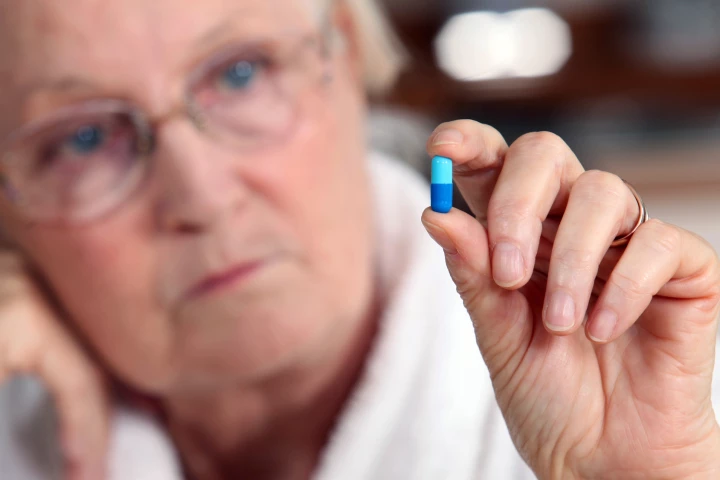 Animal studies say rapamycin can slow aging – but does it work in humans? A new review finds the evidence for the off-label, low-dose use of the drug in healthy adults is thin, inconsistent, and far from conclusive.
 -
 Scientists have taken the most detailed look yet at the biology of a record-breaking woman who lived 117 years and 168 days free of cancer, cardiovascular disease and dementia. And many things they discovered could help us achieve our own longevity.
 -
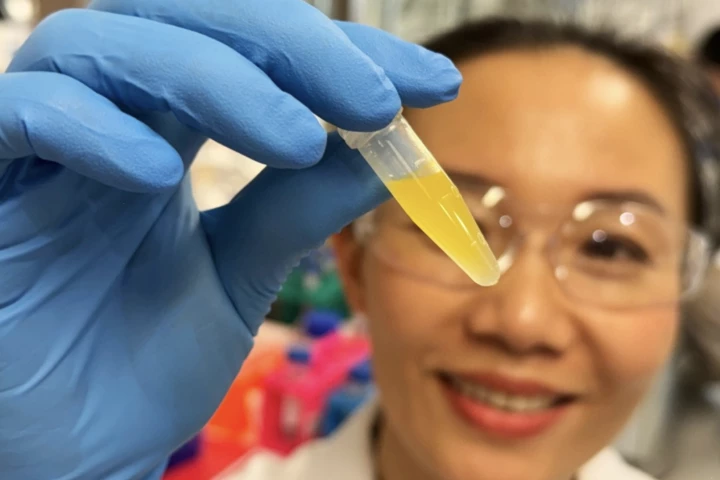 Scientists have developed a new eyedrop that can ferry protective compounds all the way to the retina, paving the way for a less-invasive – and injection-free – method of managing sight-stealing diseases such as age-related macular degeneration.
 -
 Large weight swings or weight loss in later life aren’t just physical health risks, they’re tied to fast memory and cognitive decline, a new study has found. It underscores the importance of weight stability for brain health in older adults.
 -
 When we eat as we get older changes, but what impact this has on our health isn't well understood. New research, however, has found that in midlife and beyond, eating one particular meal later in the day is linked with a higher risk of early death.
 -
 In a groundbreaking study, scientists have mapped the most detailed genetic blueprint yet of frailty – the age-related decline that affects around 40% of people aged 65 and over. It provides new hope for developing precision anti-aging therapies.
 -
 From vampire legends to lab-grown tissue, the idea that young blood can reverse aging is no longer pure myth. A new study shows that proteins secreted by bone marrow cells, triggered by young blood, can rejuvenate aging skin in the lab.
 -
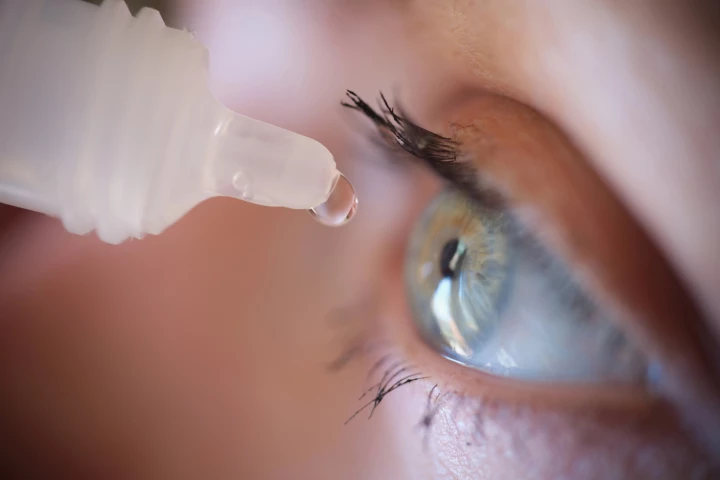 The first aceclidine-based eye drop to improve near vision in adults with age-related presbyopia, which affects more than 100 million adults in the US alone, has been approved by the Food and Drug Administration and will be on sale by November.
 -
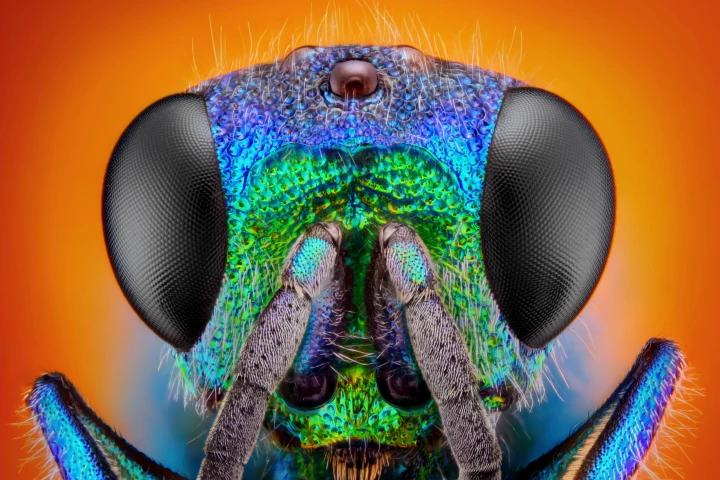 A species loved by scientists has a new trick under its wings – a "time out" in youth that leads to significantly slower aging throughout life. This discovery, which shows that biological aging isn't fixed, is a breakthrough in human longevity science.
 -
 A fan might feel like a lifeline in a heatwave, and for older adults it may be of some help – but not as much as it might seem. Using an electric fan in humid heat has a small benefit, but in hot and dry conditions, it can do more harm than good.
Load More